Arrange Regular Refrigeration Servicing
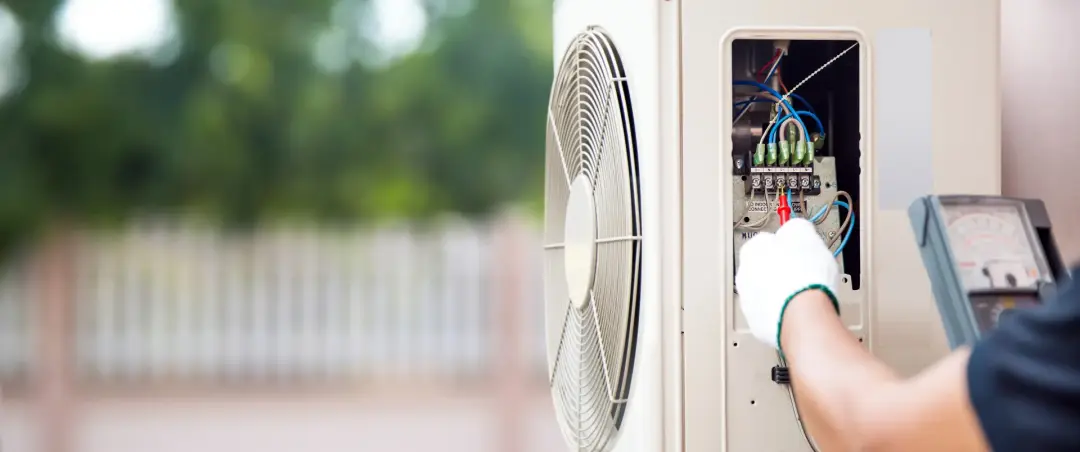
Regular refrigeration servicing can help identify wear and developing faults before they cause a complete breakdown. Commercial equipment should be inspected at suitable intervals based on its type, usage and operating environment. A service may include checking temperatures, cleaning coils, inspecting fans and examining door seals.
The engineer can also review controls, electrical components and refrigeration performance. Routine servicing provides an opportunity to identify small issues such as loose connections, restricted airflow or early signs of component wear. Correcting these problems promptly can reduce the chance of sudden equipment failure. Service frequency may need to increase in demanding environments such as busy kitchens or food production areas.
Keeping a planned maintenance schedule also makes refrigeration costs easier to manage because problems can often be addressed before emergency repairs are required. Professional servicing therefore supports reliability, temperature control and efficient long-term operation.
Keep Condenser Coils Clean
Condenser coils play an important role in releasing heat from a refrigeration system. When dust, grease and debris build up across the coil surface, heat cannot escape as effectively and the system has to work harder. This additional strain can increase energy use and place more demand on the compressor. Over time, consistently high operating pressures and temperatures can contribute to component failure. Condenser coils should therefore be inspected and cleaned at suitable intervals. The frequency depends on the environment surrounding the equipment.
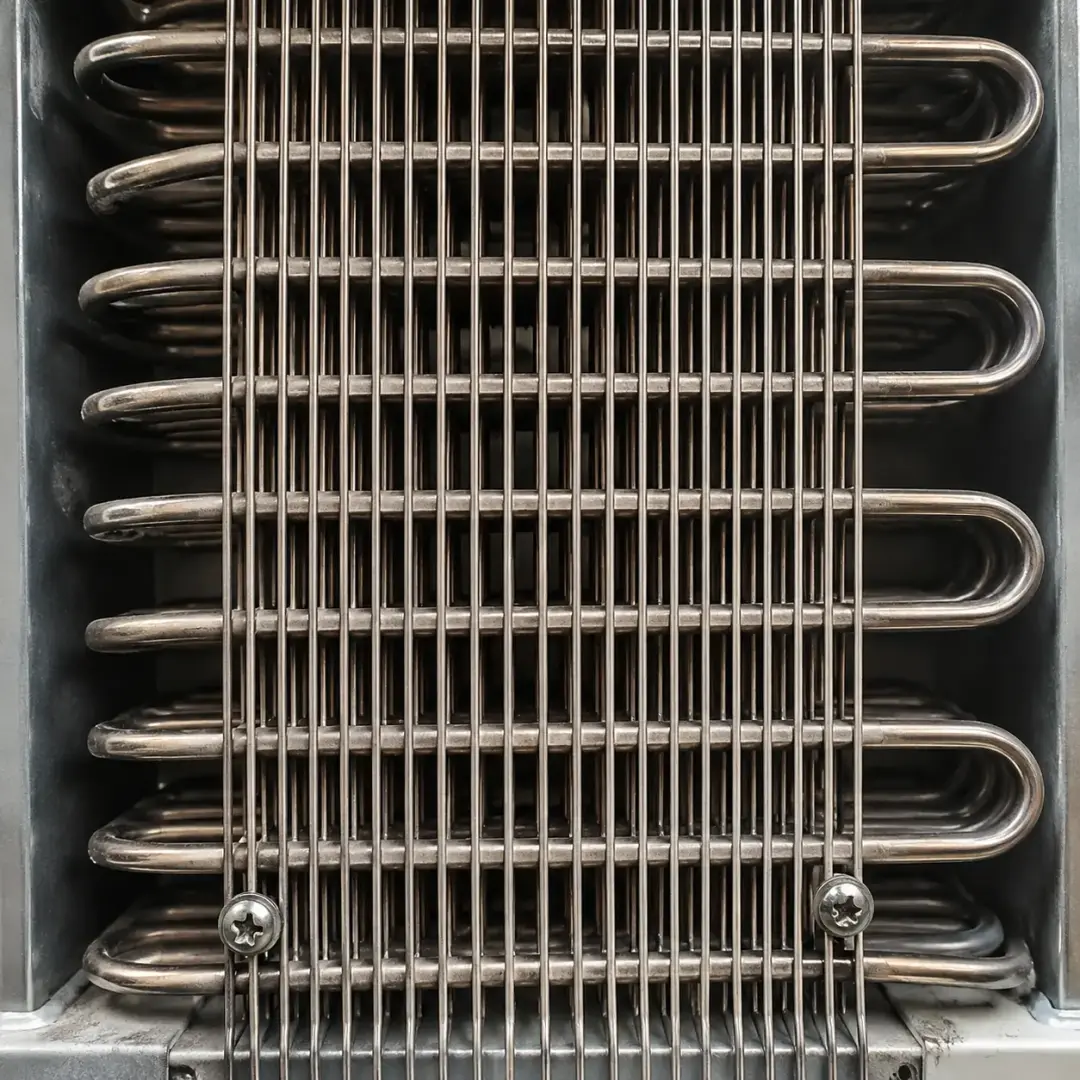
Commercial kitchens may require more frequent attention because grease and airborne particles can accumulate quickly. Warehouses and industrial sites may also expose equipment to high levels of dust. Ventilation around the condenser should remain clear. Boxes, furniture and stock should not be placed directly against air grilles or heat-releasing equipment.
Accessible surfaces can sometimes be kept clean as part of routine housekeeping, but deeper maintenance may require a refrigeration engineer.
Professional servicing allows the condenser to be cleaned correctly while the engineer also checks fans and system performance. Keeping condenser coils clean improves heat transfer and reduces unnecessary strain on refrigeration components, helping lower the risk of breakdown.
Check Evaporator Coils for Ice Build-Up
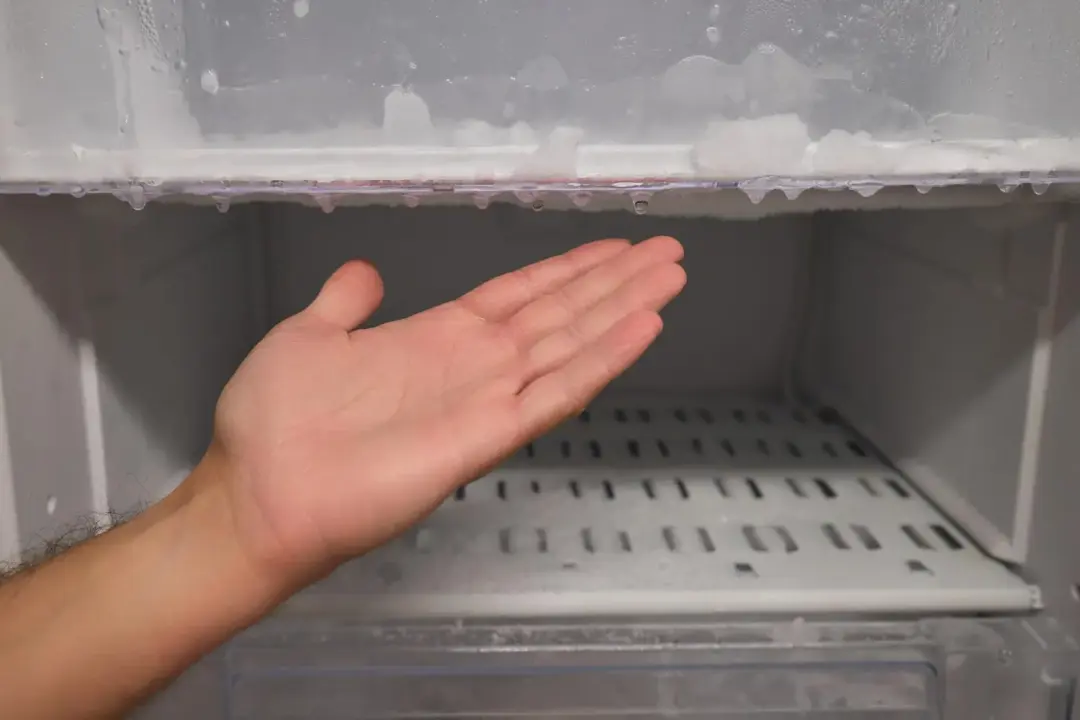
Evaporator coils absorb heat from the refrigerated area. Excessive ice or frost can restrict airflow and reduce their ability to work effectively. Some frost may be normal, but heavy or persistent accumulation can indicate a defrost, airflow or door-seal problem. Warm, moist air entering through frequently opened doors can increase frost formation.
Faulty defrost controls or heaters can also allow ice to build up gradually. Do not use knives or sharp tools to remove ice because the evaporator and refrigerant pipework can be damaged easily. If ice returns repeatedly after defrosting, the underlying cause should be investigated.
A refrigeration engineer can inspect the defrost system, airflow and operating conditions. Finding the cause early prevents the evaporator becoming heavily restricted and reduces strain on the compressor. Regular inspection can therefore help prevent a manageable icing problem from developing into a complete loss of cooling.
Maintain Good Airflow Around Refrigeration Units
Good airflow helps refrigeration equipment transfer heat efficiently and maintain stable temperatures. Restricted airflow can force the system to operate for longer periods, increasing wear on fans, compressors and other components. Inside refrigerated cabinets and cold rooms, products should not be stacked directly against air outlets. Cold air needs enough space to circulate throughout the storage area. Poor internal circulation can create warm spots, which may cause the refrigeration system to continue running even when other areas are already sufficiently cold.
External airflow is equally important. Condenser units need clear ventilation so the heat removed from refrigerated areas can be released.
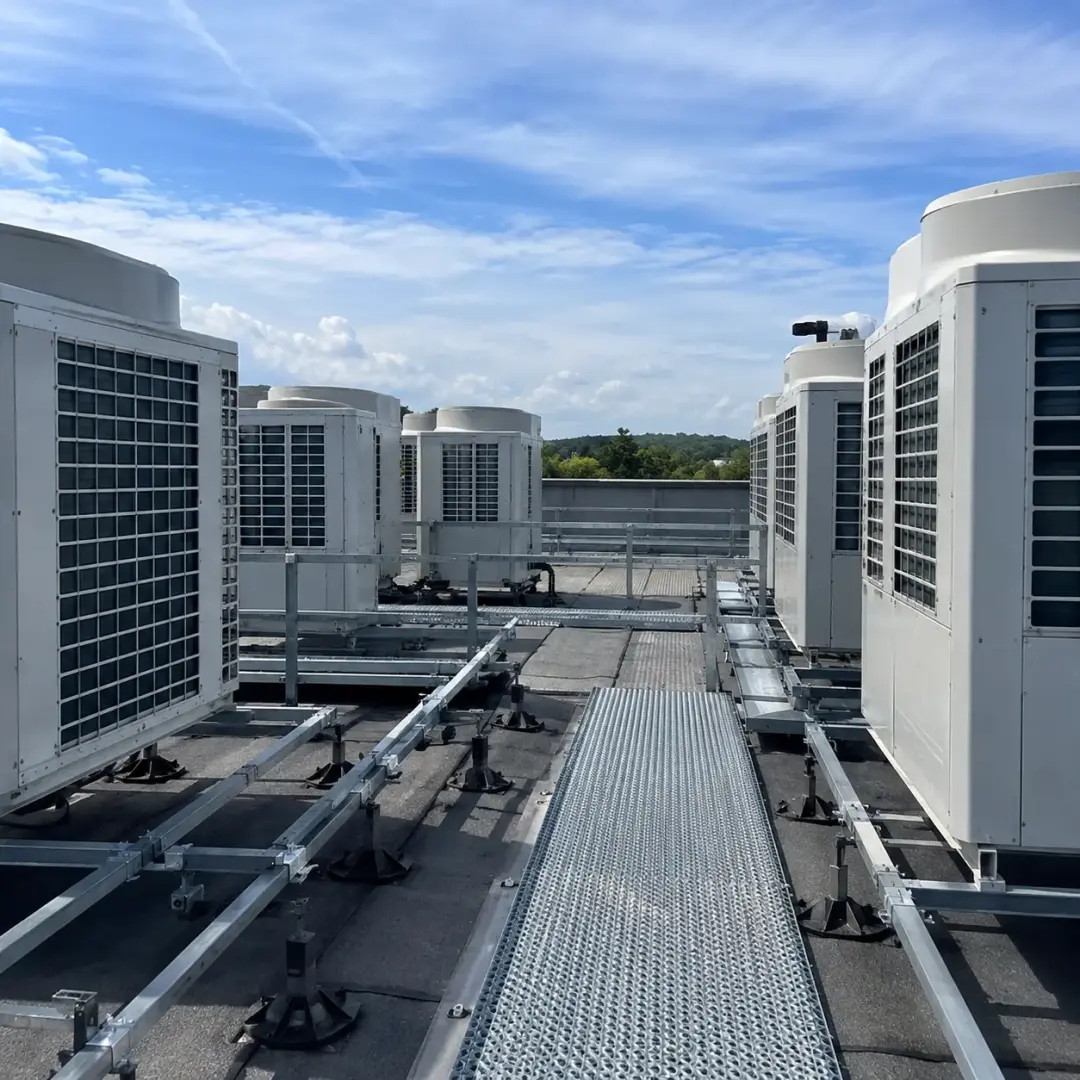
Furniture, stock and packaging should not obstruct ventilation grilles. Dust and debris can also reduce airflow around fans and coils. Routine cleaning helps prevent gradual restrictions.
Outdoor refrigeration equipment should remain clear of leaves and other material. A refrigeration engineer can check airflow during servicing and identify weak fans or blocked components.
Maintaining good circulation improves cooling performance and reduces the amount of unnecessary work placed on the refrigeration system. This can help prevent overheating, excessive operating times and breakdowns caused by components being continually pushed harder than necessary.
Inspect Door Seals for Damage
Door seals prevent warm air from entering refrigerators, freezers and cold rooms. When they become worn, cracked or loose, the refrigeration system can lose cold air continuously. The compressor then has to operate for longer to maintain the required temperature. Door seals should be checked regularly for splits, hardened sections and areas that no longer sit firmly against the frame.
Food, dirt and debris can also stop seals from closing correctly. Doors that appear misaligned may require adjustment as well as replacement seals. A simple visual inspection can identify many problems before they become severe. Damaged seals should be repaired or replaced promptly. Allowing them to deteriorate can increase energy consumption and encourage frost formation around evaporator components.
Regular seal checks are a straightforward preventative measure that can reduce strain on refrigeration equipment and help maintain more consistent temperatures.
Avoid Leaving Refrigeration Doors Open
Leaving refrigeration doors open allows large amounts of warm air to enter and cooled air to escape. The refrigeration system then needs to remove the additional heat, which can increase operating time and place extra strain on components. This is particularly important in busy commercial kitchens, cold rooms and warehouses where doors may be opened repeatedly throughout the day. Staff should gather the items they need before opening refrigeration doors where possible. This reduces the amount of time the door remains open. Stocking and cleaning tasks should also be organised so doors are not left open unnecessarily.
Automatic closers can be useful for some refrigerated doors, provided they remain correctly adjusted. Doorways should not be held open using boxes or equipment.
Cold rooms with heavy traffic may benefit from additional measures designed to reduce air exchange, depending on the installation. Staff training can make a noticeable difference. Employees should understand that open doors affect both temperature control and equipment workload.
Reducing unnecessary door opening helps the system recover more quickly after access. It can also reduce frost formation and prevent the refrigeration equipment from running continuously to compensate for repeated warm-air entry.
Monitor Refrigeration Temperatures Regularly
Regular temperature monitoring can reveal developing refrigeration problems before equipment fails completely. Businesses should know the expected operating temperature for each refrigerated area and check readings consistently. Unexpected increases may indicate poor airflow, door-seal problems or a developing refrigeration fault.
Temperature changes should not be ignored simply because the system still feels cold. Recording readings can make gradual changes easier to identify. Some commercial refrigeration systems include alarms or monitoring controls that notify staff when temperatures move outside expected limits. These features should be tested and maintained properly.
If temperatures repeatedly fluctuate or remain above the required level, professional inspection is recommended. A refrigeration engineer can investigate the cause and determine whether servicing or repairs are required. Early attention can prevent product loss and reduce the likelihood that the system continues operating under excessive strain until a more serious breakdown occurs.
Refrigerated Trailer Rental Near Me
Looking for refrigerated trailer rental near you? Richmond Air Conditioning Limited provides reliable refrigerated trailer hire across Derbyshire, Nottinghamshire and Leicestershire, helping businesses keep food, drinks and other temperature-sensitive goods safely chilled.
Check for Unusual Temperature Changes
Unusual temperature changes are often an early warning that refrigeration equipment is not operating as expected. A cabinet or cold room may begin taking longer to cool, fluctuate throughout the day or develop noticeably warmer areas. The first step is to confirm the temperature using suitable measuring equipment rather than relying on how the space feels.
Consider whether anything has changed operationally. A large delivery of warm products or unusually frequent door opening can cause temporary temperature increases. If there is no obvious explanation, the refrigeration system should be checked. Dirty coils, blocked airflow, faulty fans and damaged door seals can all reduce cooling performance.
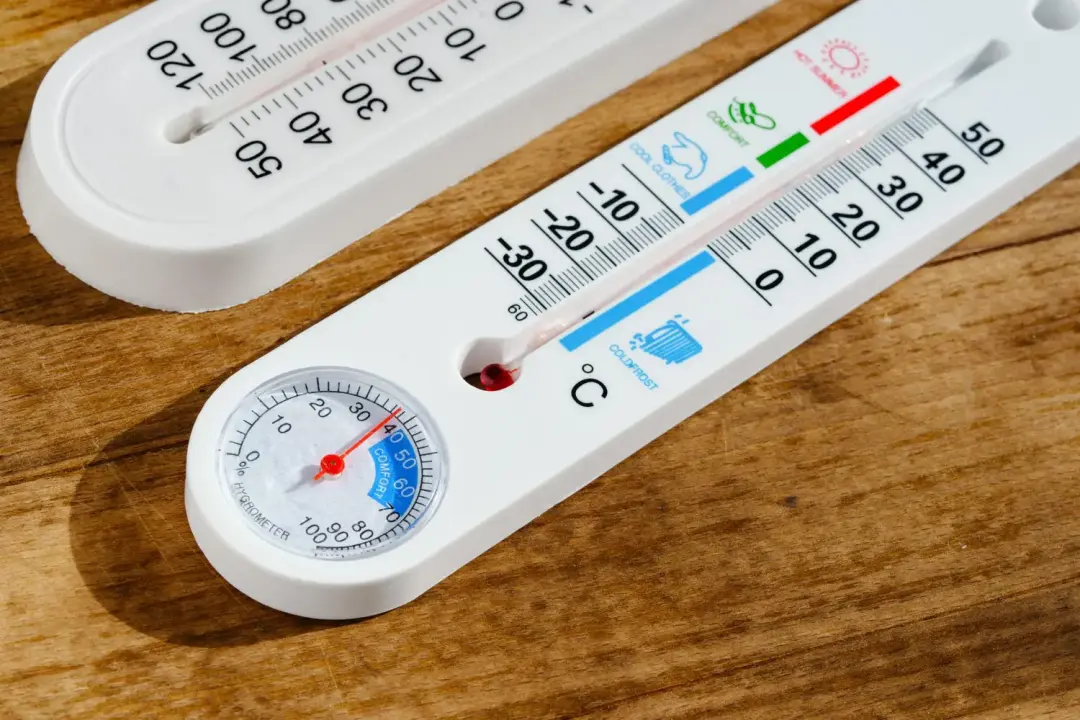
Temperature sensors and controls may also produce incorrect readings or cause the system to cycle incorrectly. Low refrigerant levels can create similar symptoms. Repeatedly lowering the thermostat is not a reliable solution. This can make the system work harder without fixing the underlying fault.
Monitoring how quickly the temperature returns to normal can provide useful information. A refrigeration engineer can test system performance and identify why temperatures have changed. Dealing with unusual readings early can prevent stored products being exposed to unsuitable conditions and reduce the chance that a developing refrigeration fault becomes a complete breakdown.
Listen for Unusual Noises
Changes in operating noise can indicate that refrigeration components are becoming worn or obstructed. Buzzing, grinding, rattling and repeated clicking should be investigated when they are different from the equipment's usual sounds. Fan blades may be contacting ice or debris. Fan motors and bearings can also become noisy as they wear. A compressor that becomes significantly louder may require professional attention.
Repeated clicking can sometimes indicate that a component is struggling to start or that a control fault has developed. Do not ignore unusual noises simply because temperatures remain correct. Mechanical problems often become noticeable through sound before they cause complete failure.
Avoid removing panels or dismantling equipment yourself. A refrigeration engineer can identify where the noise is coming from and determine whether cleaning, adjustment or component replacement is required. Early investigation can prevent minor mechanical wear developing into a more expensive breakdown.
Look for Signs of Refrigerant Leaks
Refrigerant leaks can reduce cooling performance and place additional strain on refrigeration equipment. Refrigerant is essential for transferring heat through the system, so losing part of the charge can cause longer compressor running times and unstable temperatures. Signs of a possible problem may include reduced cooling, unusual ice formation or a noticeable decline in refrigeration performance. Oil residue around refrigeration pipework or components can sometimes indicate a leak, although professional testing is needed to confirm the source. Do not attempt to repair refrigerant pipework or add refrigerant without suitable training and equipment. The leak should be located and repaired rather than repeatedly adding refrigerant without addressing the cause.
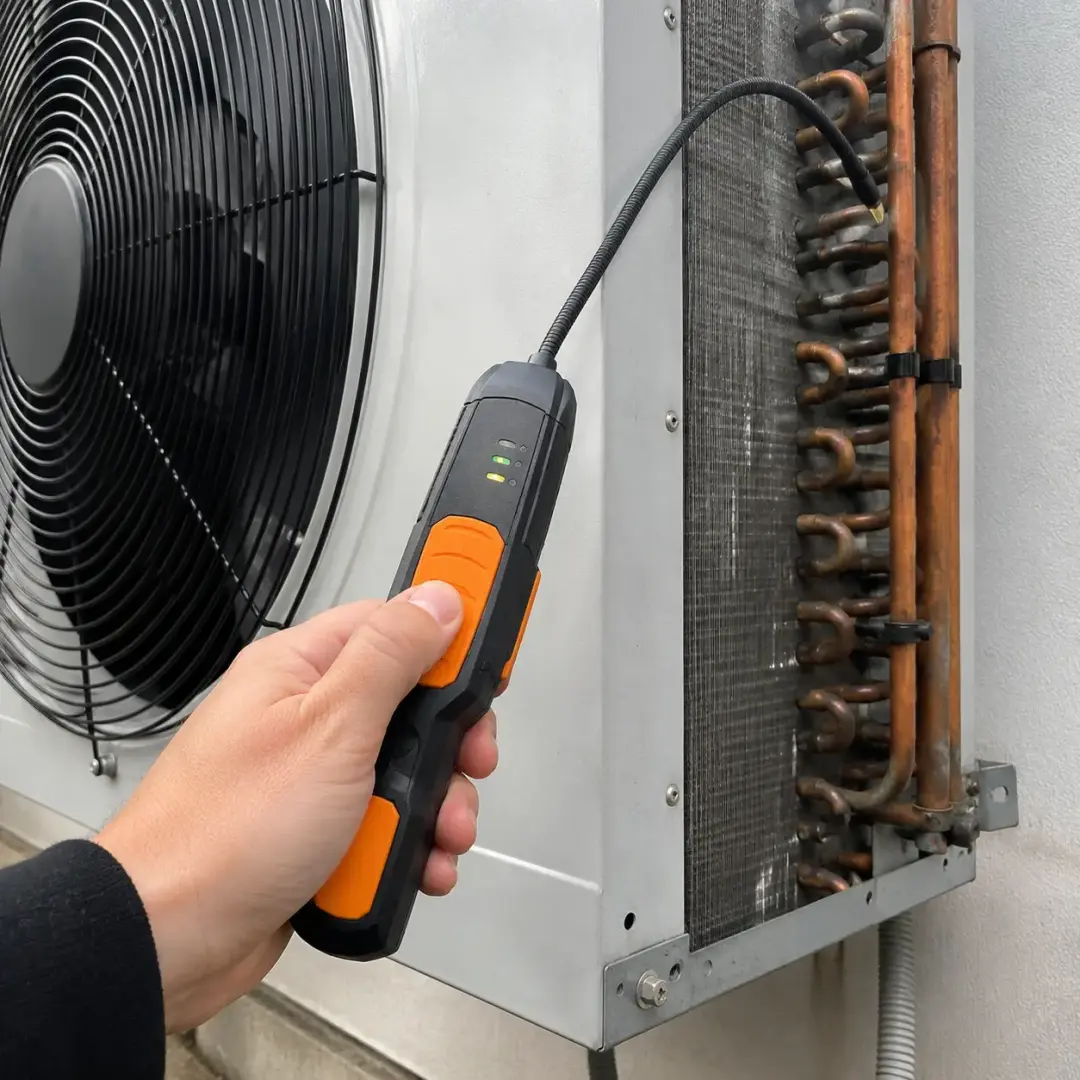
Refrigerant work requires appropriate professional handling. A refrigeration engineer can test the system, inspect connections and identify whether leakage is affecting performance.
Operating with insufficient refrigerant can contribute to compressor damage if the fault continues for too long. Prompt repair helps restore efficient cooling and reduces the likelihood of further component strain.
Businesses should arrange professional attention when a refrigerant issue is suspected rather than waiting until the equipment stops cooling completely. Early intervention can make the difference between a manageable repair and a much more disruptive refrigeration breakdown.
Check Fans Are Working Correctly
Fans help move air across evaporator and condenser coils and throughout refrigerated spaces. If a fan stops working or begins operating slowly, refrigeration performance can deteriorate quickly. Listen for unusual sounds and check whether airflow appears weaker than normal. Ice, dirt or debris can sometimes obstruct fan blades. Motors and bearings can also wear over time.
A faulty evaporator fan may create uneven temperatures inside the refrigerated area, while condenser fan problems can prevent heat from escaping properly. Do not attempt to reach moving fan blades or remove safety covers while equipment is operating.
If a fan appears damaged or stops unexpectedly, professional inspection is recommended. A refrigeration engineer can test the motor, controls and electrical supply. Keeping fans operating correctly supports good airflow and helps reduce unnecessary strain on other refrigeration components, including the compressor.
Keep Air Vents Clear
Blocked air vents can reduce refrigeration efficiency and contribute to equipment failure by restricting the movement of cooled or heated air. Vents should therefore remain clear inside and around refrigeration equipment. Inside cabinets and cold rooms, stock should not be stacked directly against supply or return-air openings. When vents are blocked, some areas may become too warm while others remain cold. The system may then run for longer as it attempts to reach the required temperature. External ventilation grilles also need clear space. Boxes, packaging and furniture placed against refrigeration units can restrict heat removal. Dust can gradually build up across grilles, particularly in kitchens, warehouses and industrial environments.
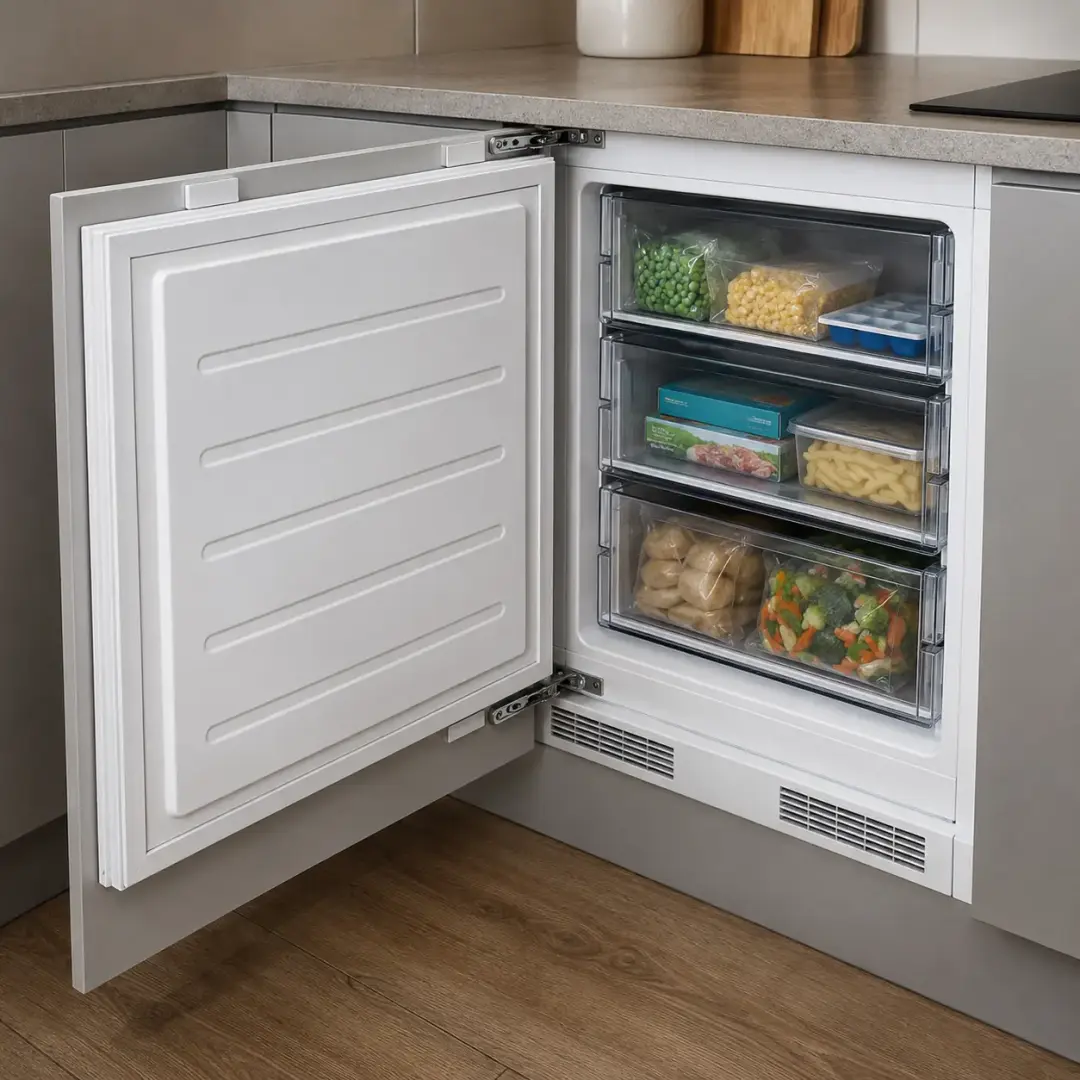
Regular cleaning can prevent these restrictions becoming severe. Staff should know which openings belong to refrigeration equipment and avoid using the surrounding space for storage.
If airflow remains poor after visible obstructions have been removed, a fan or internal component may be faulty. A refrigeration engineer can inspect the system and identify less obvious airflow problems.
Keeping vents clear is a simple preventative measure that helps components operate under normal conditions, improves temperature consistency and lowers the chance of breakdown caused by prolonged overheating or excessive running.
Avoid Overloading Refrigeration Units
Overloading a refrigerator, freezer or cold room can prevent air from circulating properly around stored products. When airflow is restricted, the system may struggle to maintain consistent temperatures. Products should not be packed tightly against evaporator fans or internal vents.
Shelves should be arranged according to the equipment's intended loading pattern. Large quantities of warm products can also create a sudden increase in cooling demand. Where possible, loading should be managed so the refrigeration system is not repeatedly overwhelmed. Businesses that regularly exceed the capacity of existing equipment may need additional refrigeration rather than continually overfilling current units.
Overloading can increase compressor operating time and make it harder for the equipment to recover after door openings. Appropriate storage levels support good airflow and more stable performance. If available refrigeration capacity no longer matches business demand, a refrigeration engineer can advise whether equipment should be upgraded or expanded.
Store Products Correctly Inside Refrigerated Areas
Correct product storage helps refrigeration systems maintain stable temperatures and avoid unnecessary strain. Items should be positioned so cold air can circulate around them rather than being packed tightly against walls, fans or vents. Heavy overstocking can create warm areas within cabinets and cold rooms.
The system may then run for longer because temperature sensors continue detecting additional cooling demand. Products should also be placed away from evaporator outlets where direct airflow could cause localised freezing. Newly delivered warm products may need careful loading because large quantities can temporarily raise the temperature inside the refrigerated area.
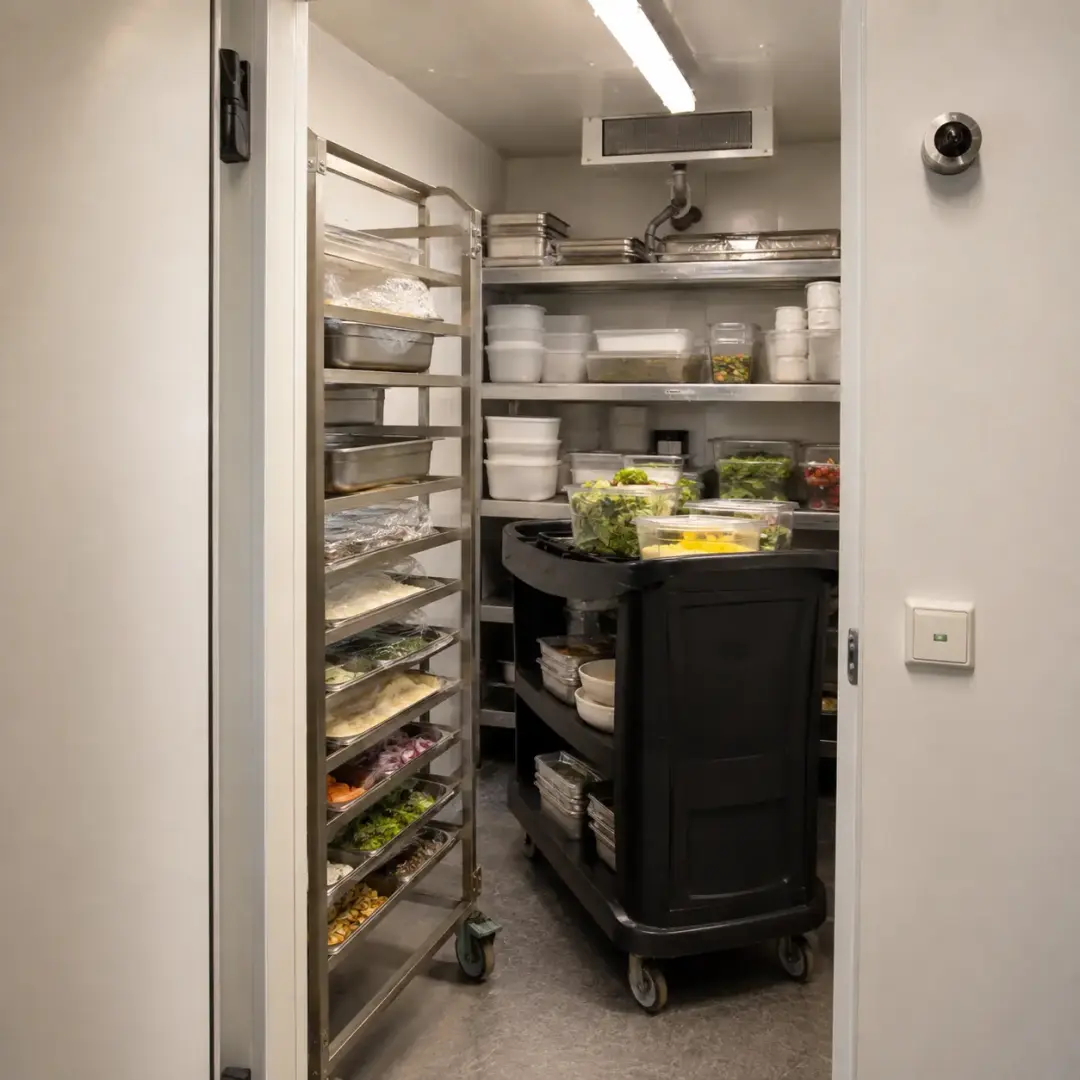
Where possible, stock should be organised so frequently used products are easy to reach. This reduces the amount of time doors remain open during busy periods. Shelving should remain clean and stable, and packaging should not obstruct drainage points.
Good stock rotation can also reduce forgotten or damaged items accumulating around vents. Different products may require separate temperature zones rather than being stored together.
Staff should understand the intended storage layout and avoid filling every available gap simply to maximise capacity. Correct product organisation supports airflow, reduces door-opening time and helps refrigeration equipment operate under more predictable conditions, reducing the risk of excessive strain and breakdown.
Keep Refrigeration Equipment Clean
Keeping refrigeration equipment clean supports reliable performance and makes developing problems easier to identify. Dust, grease and food debris can collect around vents, coils, door seals and drainage areas. Internal surfaces should be cleaned regularly using methods suitable for the equipment and stored products.
Door seals should be kept free from dirt so they can close properly. External ventilation areas should also be cleaned to maintain good airflow. Cleaning schedules may need to be more frequent in commercial kitchens and food production environments. Avoid allowing water or cleaning chemicals to enter electrical components.
Deep cleaning around refrigeration coils or internal machinery may need to be completed by a professional engineer. A clean system is easier to inspect for leaks, damage and wear. Routine cleaning therefore supports hygiene while also reducing airflow restrictions and heat-transfer problems that can contribute to breakdowns.
Check Electrical Connections and Controls
Electrical components and controls play a major role in refrigeration operation. Loose connections, worn contactors, faulty sensors and damaged wiring can all cause unreliable performance or unexpected shutdowns. These components should be checked as part of planned professional servicing.
Warning signs can include intermittent operation, repeated tripping, flickering displays or equipment switching on and off unexpectedly. Staff should not remove electrical covers or attempt repairs unless they are appropriately qualified. If refrigeration equipment repeatedly loses power, the cause should be investigated rather than simply resetting it each time.
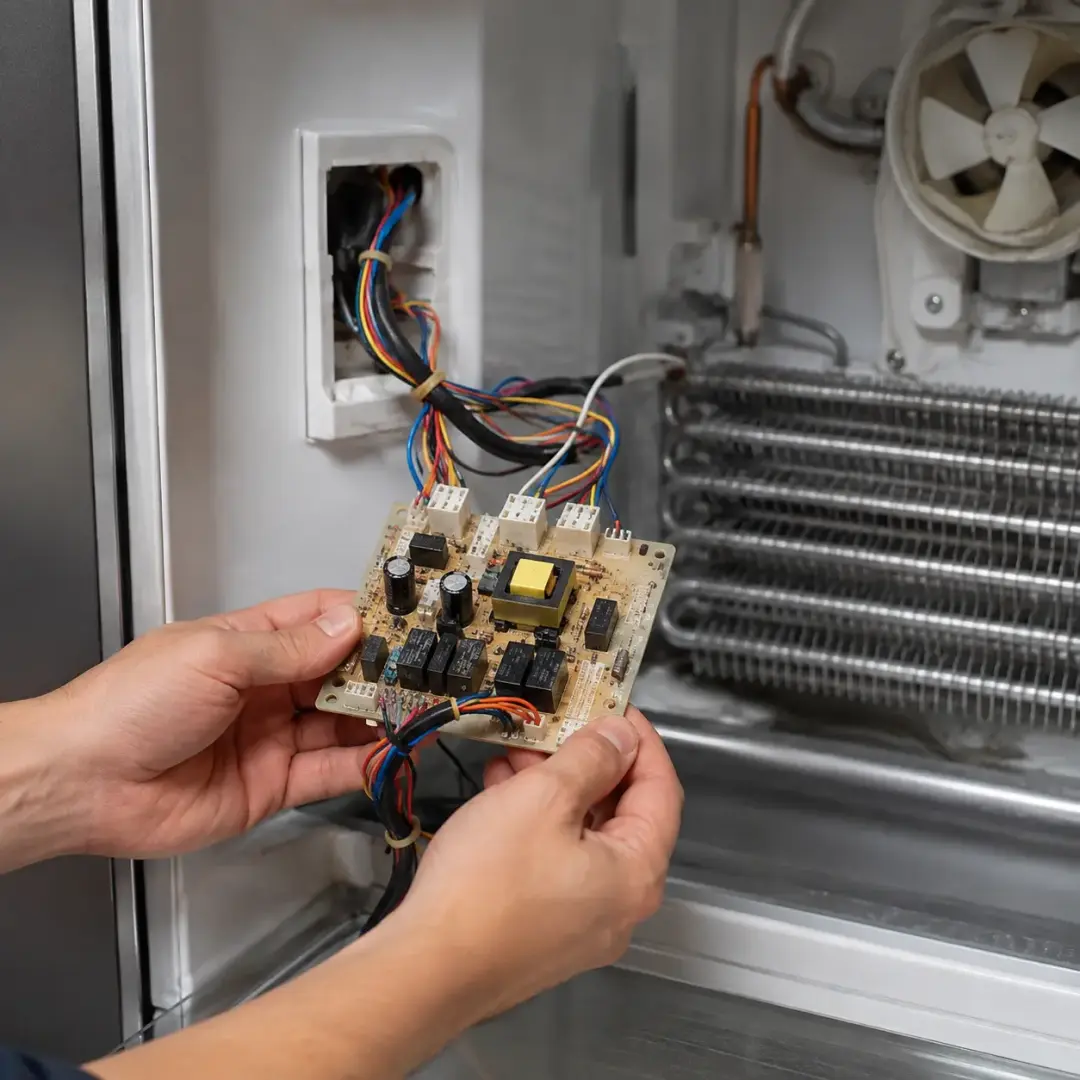
Temperature controls also require attention. A faulty sensor can cause the refrigeration system to operate for too long or stop before the required temperature has been reached.
Control panels should remain dry, clean and protected from accidental damage. A refrigeration engineer can test electrical components and confirm whether readings and operating sequences are correct. Loose or worn parts can often be replaced before they fail completely.
Routine electrical inspection is particularly useful on older refrigeration equipment where connections and switching components may have experienced many years of regular operation. Dealing with electrical faults early can prevent sudden shutdowns and reduce the risk of further damage to compressors, fans and other expensive refrigeration components.
Replace Worn Parts Before They Fail
Worn refrigeration components often show signs of deterioration before complete failure occurs. Fan motors may become noisy, door seals can crack and electrical components may begin operating intermittently. Replacing these parts early can prevent a minor problem from causing wider system damage.
A failing fan, for example, can reduce airflow and increase pressure on the refrigeration system. Worn door seals can cause extended compressor running and excessive frost. Professional servicing helps identify components approaching the end of their useful life. The decision to replace a part should be based on condition, performance and the likelihood of failure. Not every older component needs immediate replacement.
However, repeatedly delaying work on parts already showing clear deterioration can result in emergency breakdowns. Planned replacement also allows repairs to be scheduled at a convenient time rather than after refrigeration has unexpectedly stopped working.
Watch for Excessive Frost or Ice
Excessive frost or ice is a warning sign that refrigeration performance may be deteriorating. Ice can form on evaporator coils, internal panels, doorways or pipework depending on the underlying problem. A small amount of frost can be normal in some systems, but thick or recurring accumulation should be investigated. Faulty defrost components are one possible cause. If heaters, timers or sensors fail, frost may continue building until airflow becomes restricted. Warm air entering through damaged door seals or frequently opened doors can also introduce moisture that freezes inside the system.
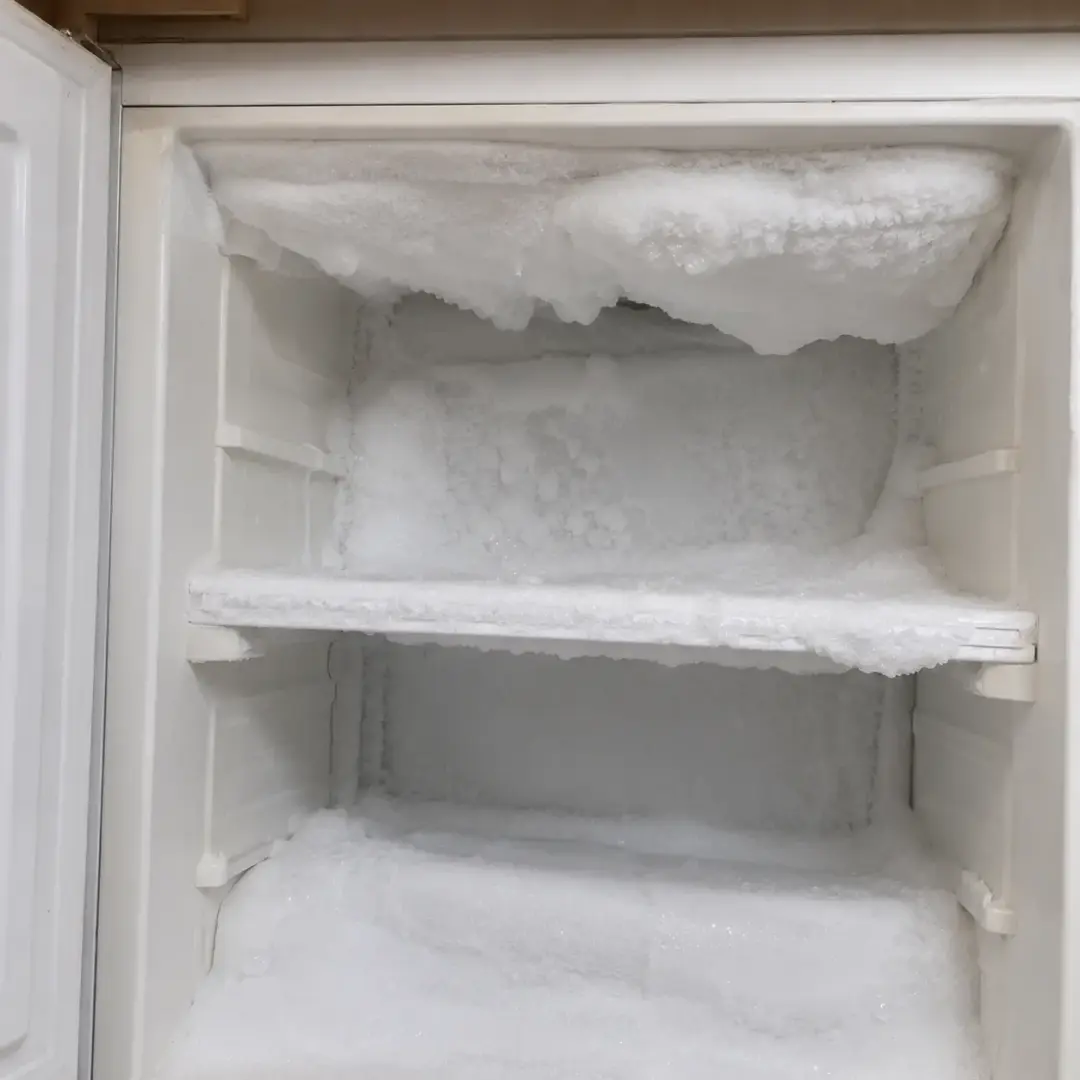
Blocked drains may create additional ice where water cannot escape correctly. Do not use sharp tools to chip ice away from coils or pipework. Damage to refrigeration components can turn a maintenance issue into a major repair.
Follow suitable defrost procedures where appropriate for the equipment. If the ice quickly returns, arrange professional inspection. A refrigeration engineer can identify whether airflow, controls, seals or refrigeration performance are responsible.
Allowing excessive ice to remain can make fans work harder and force the compressor to run for longer. Early action can restore normal airflow and reduce the chance of overheating, temperature loss or complete refrigeration failure.
Are you looking for a refrigeration engineer near me in Derby, Nottingham and Leicester? Choose Richmond Air Conditioning Limited for refrigeration services near you. Whether you need maintenance, repairs, or new installations, we have got you covered. Our commitment to customer satisfaction and technical excellence makes us the best choice for refrigeration services.