Common Reasons Refrigeration Systems Use Too Much Energy
Refrigeration systems can use excessive energy for many different reasons. Dirty condenser coils, blocked airflow and damaged door seals are common problems that make equipment work harder to maintain the required temperature. Low refrigerant levels or refrigeration faults can also reduce cooling performance.
The compressor may then operate for longer periods to compensate. Incorrect temperature settings can increase energy consumption unnecessarily. Setting equipment colder than required makes the refrigeration system perform additional work without providing a useful benefit. Frequent door opening can allow large amounts of warm air to enter refrigerated areas. Poor maintenance also contributes to efficiency problems because dirt, worn components and developing faults may remain unnoticed.
Older refrigeration equipment can naturally be less efficient than newer systems. A professional refrigeration engineer can inspect the equipment and identify which factors are increasing energy consumption before recommending suitable maintenance, repair or replacement work.
A Sudden Increase in Electricity Costs
A sudden increase in electricity costs can be one of the first signs that commercial refrigeration equipment is using more energy than normal. Refrigeration systems operate regularly, so changes in their performance can have a noticeable effect on overall business electricity consumption. Compare recent energy bills with previous periods where possible. Seasonal changes should be considered because warmer weather can naturally increase the amount of work required from refrigeration equipment.
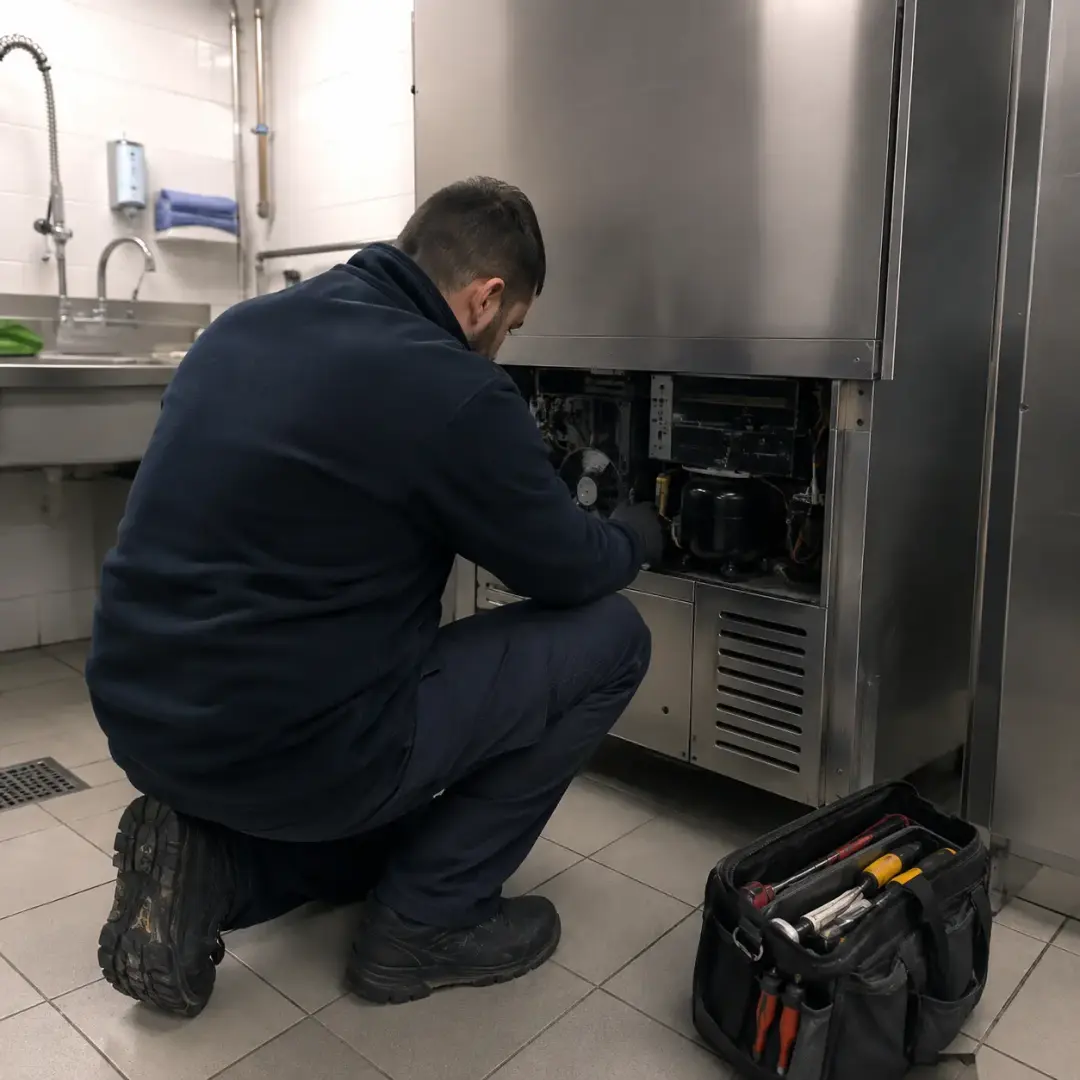
If electricity use rises without an obvious explanation, observe how the refrigeration system is operating. Equipment that runs continuously, cycles frequently or struggles to reach the correct temperature may be consuming additional power.
Other changes within the business should also be considered before assuming refrigeration is responsible. New machinery, longer opening hours or increased production could also affect electricity use.
A refrigeration engineer can inspect the system when increased consumption appears to be connected with cooling equipment. They can check components such as condensers, evaporators, controls and refrigerant systems. Finding the cause early can prevent energy waste from continuing for months. It may also reveal a maintenance or repair issue before the refrigeration system develops a more serious fault.
Refrigeration Equipment Running for Longer Than Usual
Refrigeration equipment normally runs in cycles as it maintains the selected temperature. If the compressor begins operating for much longer than usual, the system may be struggling to remove heat effectively. Dirty condenser coils can reduce the system's ability to release heat.
Damaged seals or frequently opened doors may also allow warm air to enter repeatedly. Low refrigerant levels, restricted airflow and worn components can create similar problems. Longer running periods do not always indicate a fault. Hot weather, increased product loading or frequent use can temporarily increase demand.
However, a noticeable change that continues should be investigated. Check whether temperatures remain correct and whether doors are closing properly. Avoid adjusting controls repeatedly in an attempt to solve the problem. A refrigeration engineer can identify why the system is running for extended periods and determine whether cleaning, servicing or repairs can restore more efficient operation.
The System Is Constantly Switching On and Off
A refrigeration system that constantly switches on and off may be experiencing short cycling. Instead of completing normal cooling cycles, the equipment repeatedly starts and stops over relatively short periods. This can increase energy consumption and place additional strain on components such as the compressor. Several problems can contribute to short cycling. Refrigeration controls or temperature sensors may be sending incorrect information, causing the system to stop and restart unnecessarily. Restricted airflow can also affect temperature readings and cooling performance. Dirty condenser coils, blocked vents and ice accumulation should therefore be considered.
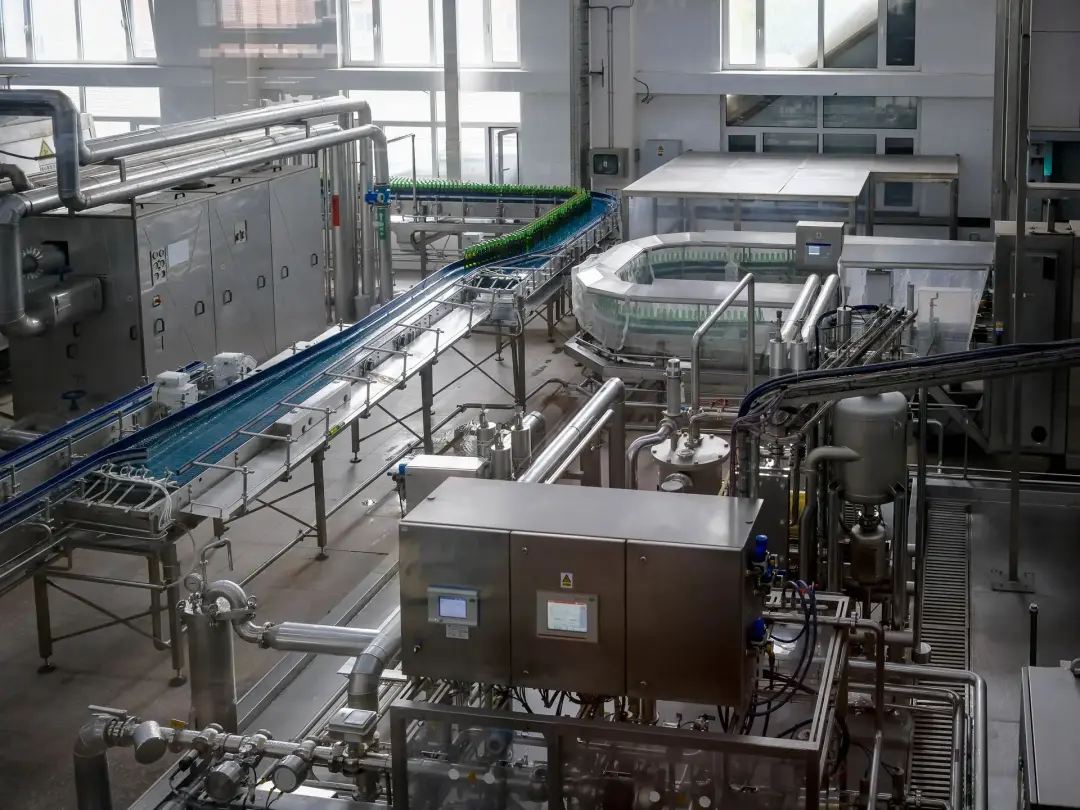
Refrigerant problems or an incorrectly sized system can sometimes contribute to unusual cycling behaviour as well. Avoid repeatedly changing the thermostat in an attempt to stop the cycling. This can make it harder to identify the underlying problem.
Listen for frequent compressor starts and monitor whether the internal temperature remains stable. A professional refrigeration engineer can test sensors, controls, refrigerant performance and other components to determine why the system is cycling excessively. Addressing the fault can reduce unnecessary energy consumption while also protecting equipment from the additional wear caused by repeated starting and stopping throughout the day.
Refrigeration Units Struggling to Maintain the Correct Temperature
A refrigeration unit that struggles to maintain its required temperature may need to operate for longer periods, increasing electricity use. The problem can be caused by damaged door seals, dirty coils, poor airflow or excessive amounts of warm air entering the refrigerated space. Overloading the unit can also prevent cold air from circulating properly around stored products.
Mechanical or refrigerant faults may reduce cooling capacity further. Monitor temperatures using suitable equipment rather than relying only on how cold the area feels. A gradual temperature increase can indicate a developing problem. Do not simply lower the thermostat repeatedly. This can force the refrigeration system to work harder without correcting the underlying fault.
A professional refrigeration engineer can inspect the equipment and identify why the required temperature is not being maintained. Prompt attention is particularly important where refrigeration protects food, ingredients, medicines or other temperature-sensitive products.
Uneven Temperatures Inside Refrigerated Areas
Uneven temperatures within a refrigerator, cold room or other refrigerated area can indicate that cold air is not circulating effectively. Some sections may remain at the correct temperature while others become noticeably warmer. Blocked vents are a common cause. Stock placed directly against air outlets can prevent cooled air from circulating throughout the space. Problems with evaporator fans may have a similar effect. A fan that is damaged, obstructed or operating incorrectly may fail to distribute air evenly. Ice accumulation around evaporator coils can also restrict airflow and reduce cooling performance.
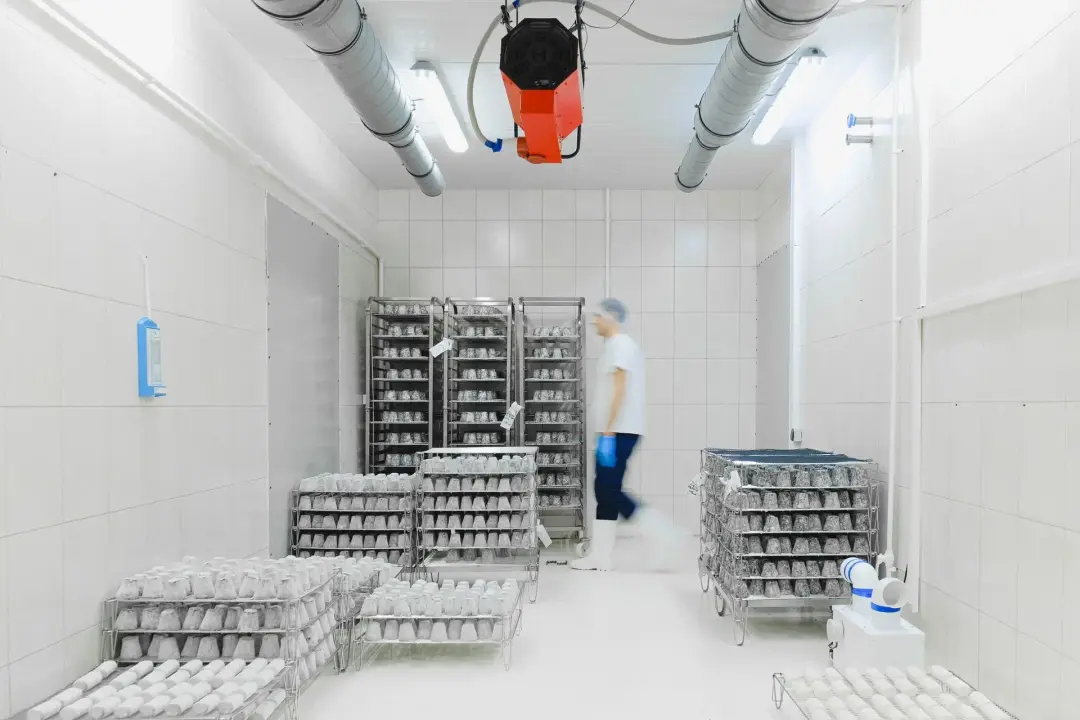
Door position should be considered as well. Areas close to frequently opened doors may experience greater temperature fluctuations than sections further inside the refrigerated space. Avoid overfilling shelves or stacking stock in a way that blocks circulation.
Leaving appropriate spaces around air outlets can help the system distribute cold air effectively. Uneven temperatures can cause the refrigeration system to run for longer as sensors attempt to compensate for warmer areas.
A refrigeration engineer can check airflow, fan operation, evaporator condition and temperature controls. Correcting circulation problems can improve temperature consistency while reducing unnecessary demands on the cooling system.
Ice Building Up Inside the System
Ice building up inside refrigeration equipment can restrict airflow and reduce the system's ability to cool efficiently. Some frost is normal in certain equipment, but heavy or persistent ice accumulation can indicate a problem. Possible causes include faulty defrost controls, damaged door seals and warm humid air repeatedly entering the refrigerated area. Blocked drainage can also contribute to unwanted ice formation.
Do not remove thick ice using sharp tools because this can damage coils, pipework and internal surfaces. If safe and appropriate for the equipment, follow the manufacturer's recommended defrost procedure instead. Recurring ice should be investigated rather than repeatedly removed without addressing the cause.
A refrigeration engineer can check defrost components, seals, drainage and system performance to determine why ice is developing. Restoring normal airflow and defrost operation can help the refrigeration equipment cool more efficiently and prevent energy being wasted while trying to operate through excessive ice.
Excessive Frost on Evaporator Coils
Excessive frost on evaporator coils can significantly reduce refrigeration efficiency. The evaporator needs air to pass across its surface so heat can be absorbed from the refrigerated space. A thick frost layer acts as a barrier and restricts this heat transfer. As airflow becomes restricted, the system may need to run for longer to reach the required temperature. Fans can also work harder when air passages become blocked. Several faults can cause frost accumulation. Defrost heaters, timers, sensors or controls may not be operating correctly.
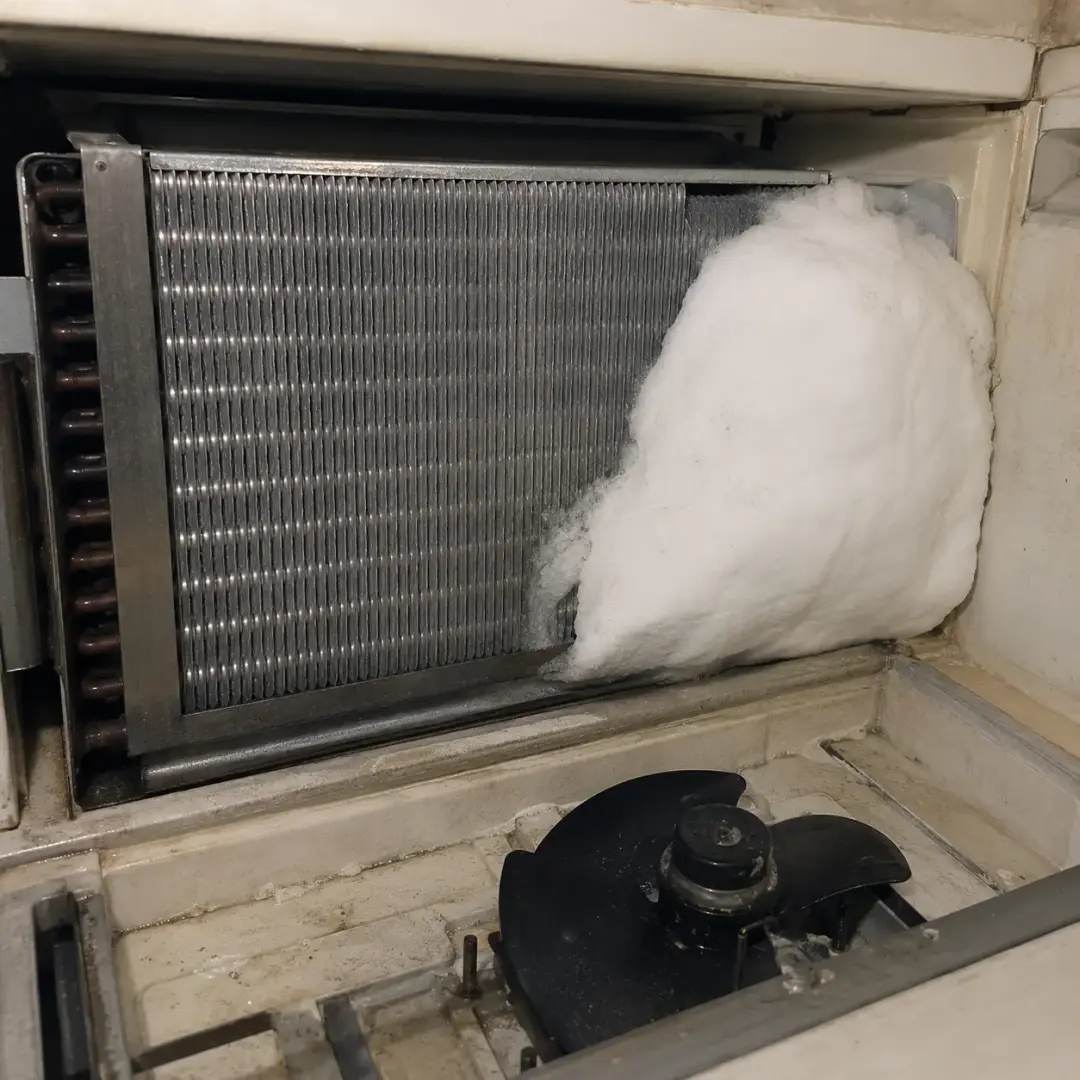
Damaged door seals can allow warm, moist air into the refrigerated space. Moisture then freezes when it reaches the cold evaporator. Frequent door opening can create a similar problem, particularly in busy commercial environments.
Do not attempt to chip frost away from the coil using knives or other sharp objects. Evaporator components can be damaged easily. A refrigeration engineer can inspect the defrost system, airflow and door condition before checking whether other refrigeration faults are contributing.
Once the underlying problem is corrected, the evaporator can operate with better heat transfer and airflow. This can improve cooling performance and reduce the amount of time the refrigeration system needs to operate.
Condenser Coils Becoming Dirty or Blocked
Condenser coils release heat removed from the refrigerated area. When they become covered with dust, grease or debris, heat cannot escape as efficiently. The compressor may then need to work harder and operate for longer periods. Commercial environments such as kitchens can be particularly challenging because grease and airborne dirt can accumulate around refrigeration equipment. Restricted ventilation around the condenser can create similar problems.
Check accessible condenser areas regularly, following the equipment manufacturer's maintenance guidance. Do not block ventilation grilles with boxes, furniture or stored products. Cleaning requirements depend on the system and working environment.
Some equipment may need professional servicing to access the condenser safely. A refrigeration engineer can clean the system appropriately and check whether excessive operating pressures or other faults have developed. Keeping condenser coils clean is a relatively simple maintenance measure that can support more efficient operation and reduce unnecessary strain on the refrigeration system.
Refrigeration Fans Running Constantly
Refrigeration fans are designed to move air across coils and through refrigerated spaces. If they appear to run constantly when this is not normal for the equipment, there may be an efficiency or control problem. A fan can operate for extended periods when the system struggles to reach the required temperature. Dirty coils, blocked airflow or refrigeration faults may therefore be contributing rather than the fan itself being the main problem. Temperature sensors and fan controls can also malfunction, causing fans to continue running when they would normally stop or change operating mode.
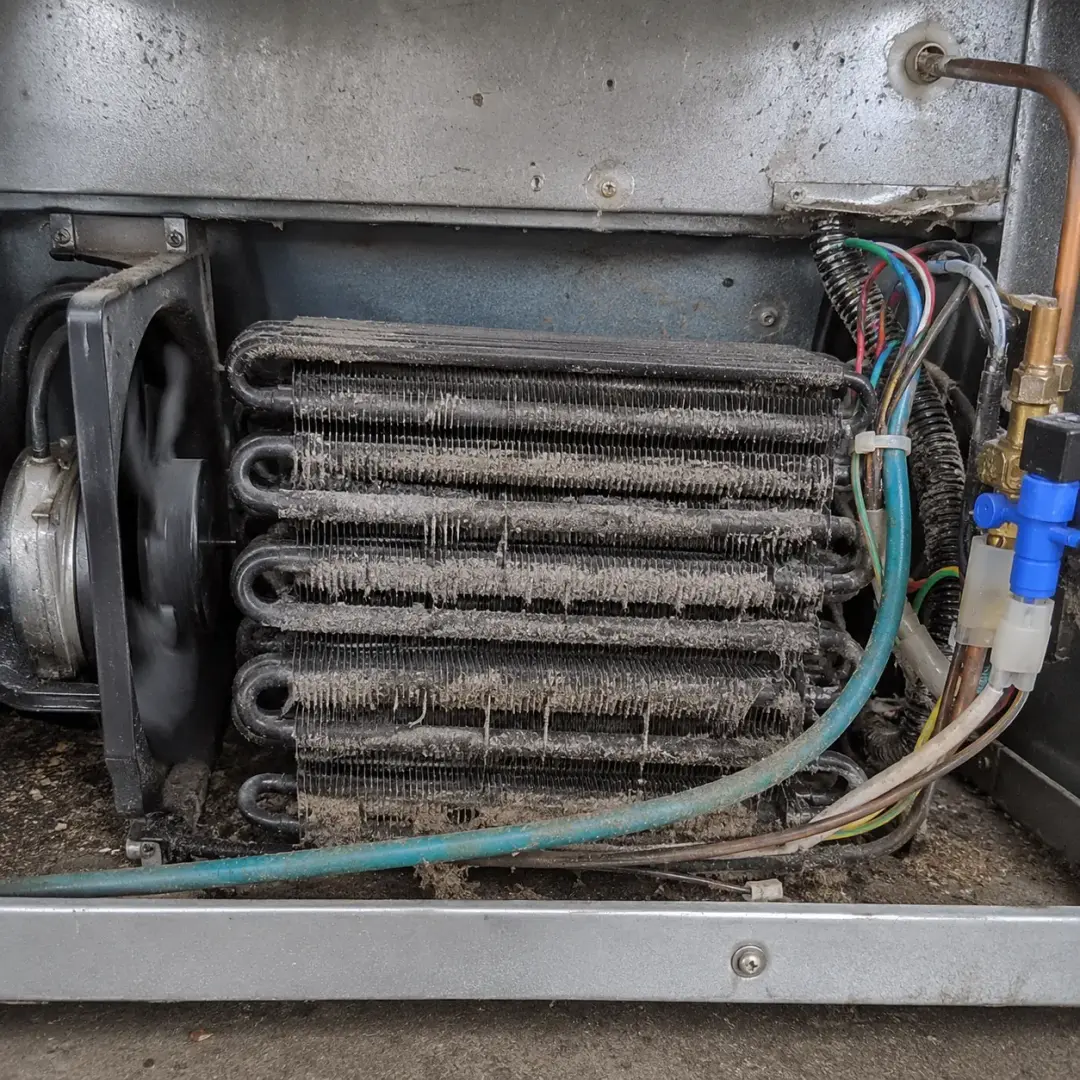
Listen for changes in fan speed and unusual sounds. A worn motor or damaged blade can reduce airflow while still consuming electricity. Stock should not obstruct internal fans or ventilation openings. Poor circulation can cause temperature differences and increase overall cooling demand.
Some refrigeration systems are designed for continuous fan operation, so normal behaviour varies between models. If the operating pattern has changed noticeably, professional inspection is useful. A refrigeration engineer can test fan motors, control systems, airflow and temperatures. Identifying the reason for excessive operation can improve cooling efficiency and reduce unnecessary electricity consumption or component wear.
Unusual Noises from Refrigeration Equipment
Unusual noises can indicate that refrigeration components are worn, obstructed or working harder than normal. Buzzing, rattling, grinding or repeated clicking should be investigated when they differ from the equipment's usual operating sounds.
Fan blades may be contacting ice or debris. Bearings and motors can also become worn and noisy. Repeated clicking can sometimes be associated with controls or components attempting to start. A compressor that becomes noticeably louder may also require professional attention. Do not ignore a new noise simply because the refrigeration system is still maintaining temperature.
Developing mechanical problems can reduce efficiency before complete failure occurs. Remove obvious external obstructions where this can be done safely, but avoid dismantling refrigeration equipment yourself. A professional engineer can identify the source of the noise and determine whether servicing, adjustment or replacement parts are required. Early repairs may prevent additional energy use and reduce the chance of an unexpected refrigeration breakdown.
Excess Heat Around the Refrigeration Unit
Refrigeration systems remove heat from one area and release it elsewhere, so some warmth around condenser equipment is normal. However, excessive heat can indicate that the system is struggling to reject heat efficiently or is operating for unusually long periods. Dirty condenser coils are one possible cause. A layer of dust or grease reduces heat transfer and can increase operating temperatures. Poor ventilation can create similar problems. Refrigeration equipment installed within enclosed spaces needs sufficient airflow around heat-releasing components. Blocked grilles or items stored too close to the unit may trap warm air.
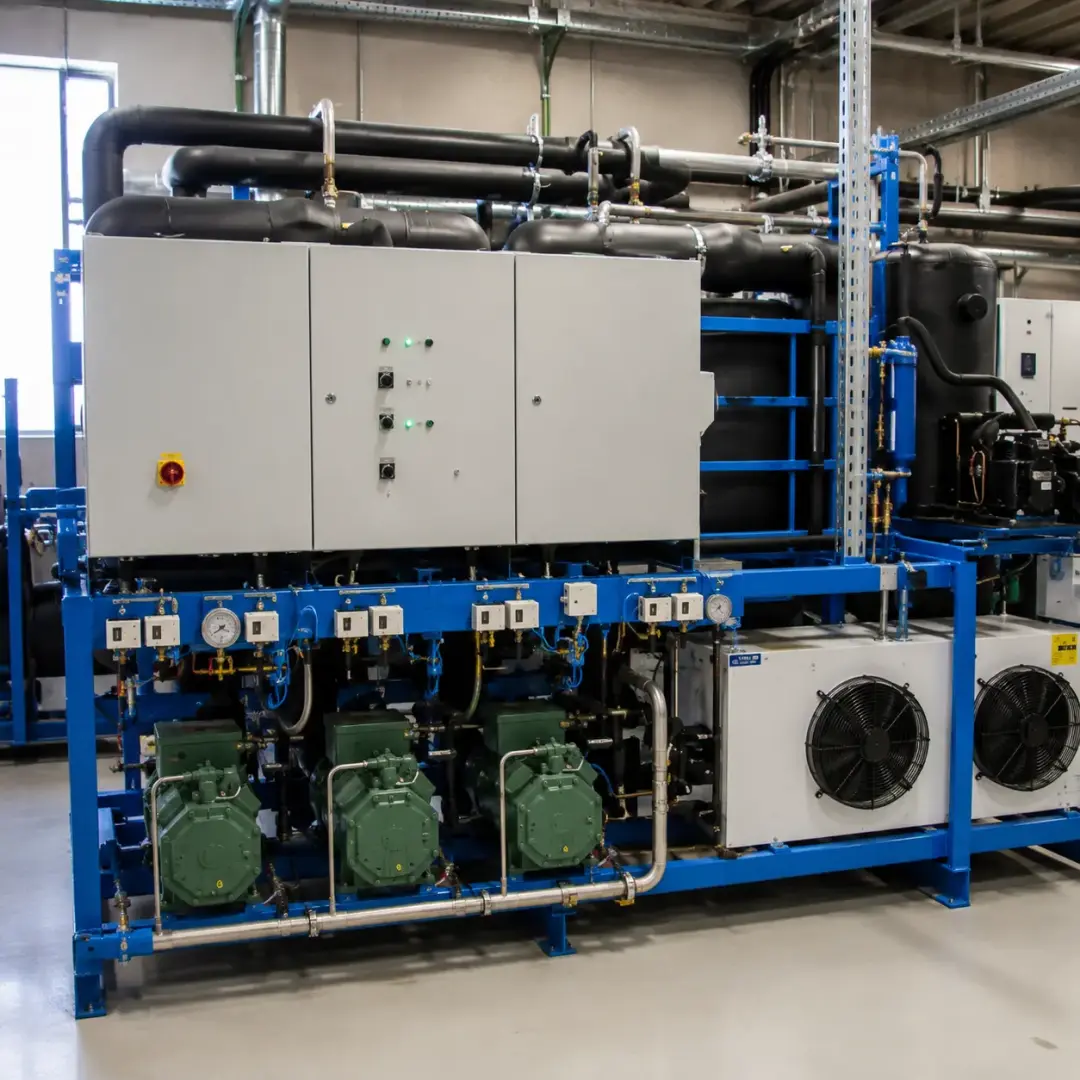
A compressor operating under excessive demand can also produce more heat than expected. This may happen when the refrigeration system has another fault that causes extended running times.
Check that ventilation openings remain unobstructed and that the surrounding area is reasonably clean. Do not attempt to touch hot internal components or remove protective covers.
A refrigeration engineer can measure operating temperatures and pressures and inspect the condenser, compressor and ventilation arrangements.
Addressing excessive heat can help the refrigeration system work more efficiently. It can also reduce unnecessary strain on components that may otherwise experience accelerated wear when consistently operating at higher temperatures.
Damaged or Worn Door Seals
Door seals help prevent warm air from entering refrigerators, freezers and cold rooms. When seals become cracked, loose or worn, cold air can escape continuously. The refrigeration system then has to remove the additional heat entering through the gaps. Inspect seals for visible damage, hardened sections or areas that no longer sit firmly against the door frame.
Dirt and debris can also prevent a seal from closing properly. Doors that appear closed may still have small gaps if hinges or alignment have changed. Replacing damaged seals can improve temperature control and reduce unnecessary compressor running. Businesses should also make sure staff report doors that become difficult to close.
A refrigeration engineer can inspect seals and door alignment during routine servicing. Although door seals are relatively simple components, poor sealing can have a noticeable effect on energy consumption because refrigerated spaces are repeatedly exposed to warmer surrounding air throughout the operating day.
Cold Air Escaping from Refrigerated Areas
Cold air escaping from refrigerated areas forces the system to replace the cooling that has been lost. This can increase compressor running times and make temperature control more difficult.
Damaged door seals are a common source of leakage, but poorly fitting doors, damaged panels and gaps around access points can also allow cold air to escape. Cold rooms may develop problems around doors that receive heavy daily use. Hinges can become worn and doors may stop aligning correctly with their frames. Look for condensation, moisture or unusually cold areas around door edges. These can sometimes indicate air leakage.
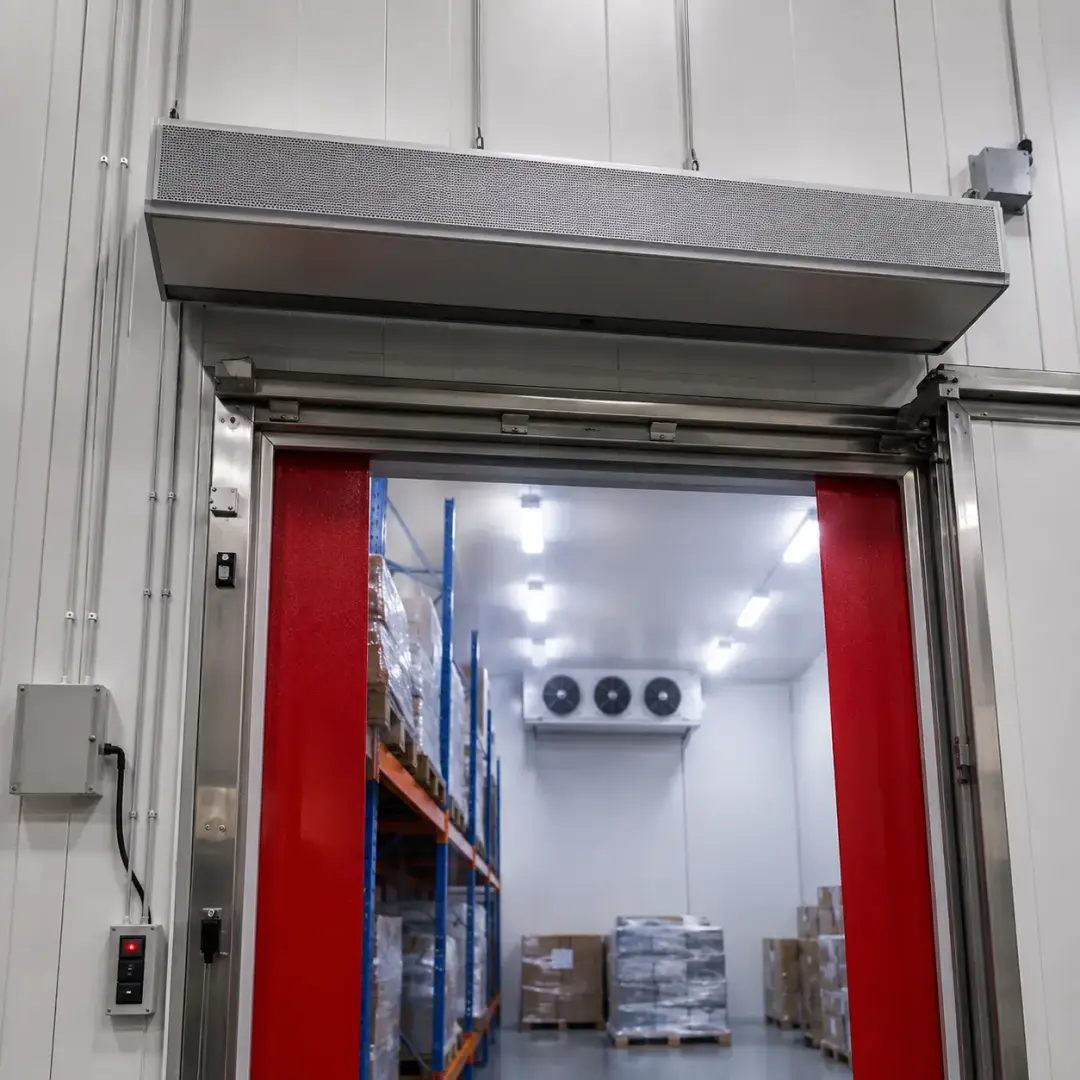
Curtains or other suitable measures may help reduce air exchange in frequently accessed commercial cold rooms, depending on the installation. The cause should still be corrected rather than relying solely on additional barriers.
Refrigerated areas should also be checked for unnecessary openings created during repairs or equipment installation. A professional refrigeration engineer can identify areas where temperature is being lost and determine whether door repairs, replacement seals or other improvements are required.
Reducing cold-air loss lowers the amount of heat entering the refrigerated space. This can help equipment achieve its target temperature with less operating time and therefore lower energy consumption.
Refrigeration Doors Being Left Open Too Often
Refrigeration doors that remain open for extended periods allow warm air to enter and cooled air to escape. This can significantly increase the amount of work required from the refrigeration system, particularly in busy commercial environments. Staff should collect items before opening the door where possible rather than repeatedly opening and closing it.
Doors should also be closed promptly after loading, cleaning or stock checks. Automatic closers can help on some refrigerated doors, provided they are maintained correctly. Operational practices are especially important in cold rooms where large door openings can allow substantial air exchange.
Frequent access may be unavoidable, but the time each door remains open can often be reduced. Businesses should include refrigeration door use within staff training. Simple changes to daily routines can reduce unnecessary heat entering refrigerated spaces and help the system maintain temperatures with less energy consumption.
Poor Airflow Around the System
Good airflow is essential for efficient refrigeration because heat must move successfully through both the evaporator and condenser sides of the system. Restricted airflow can reduce cooling performance and cause equipment to operate for longer periods. Inside refrigerated areas, stock should not be packed directly against air vents or evaporator fans. Cold air needs room to circulate around products. Outside the refrigerated space, condenser equipment also needs sufficient ventilation to release heat. Boxes, furniture or other stored items placed around condenser grilles can reduce airflow considerably.
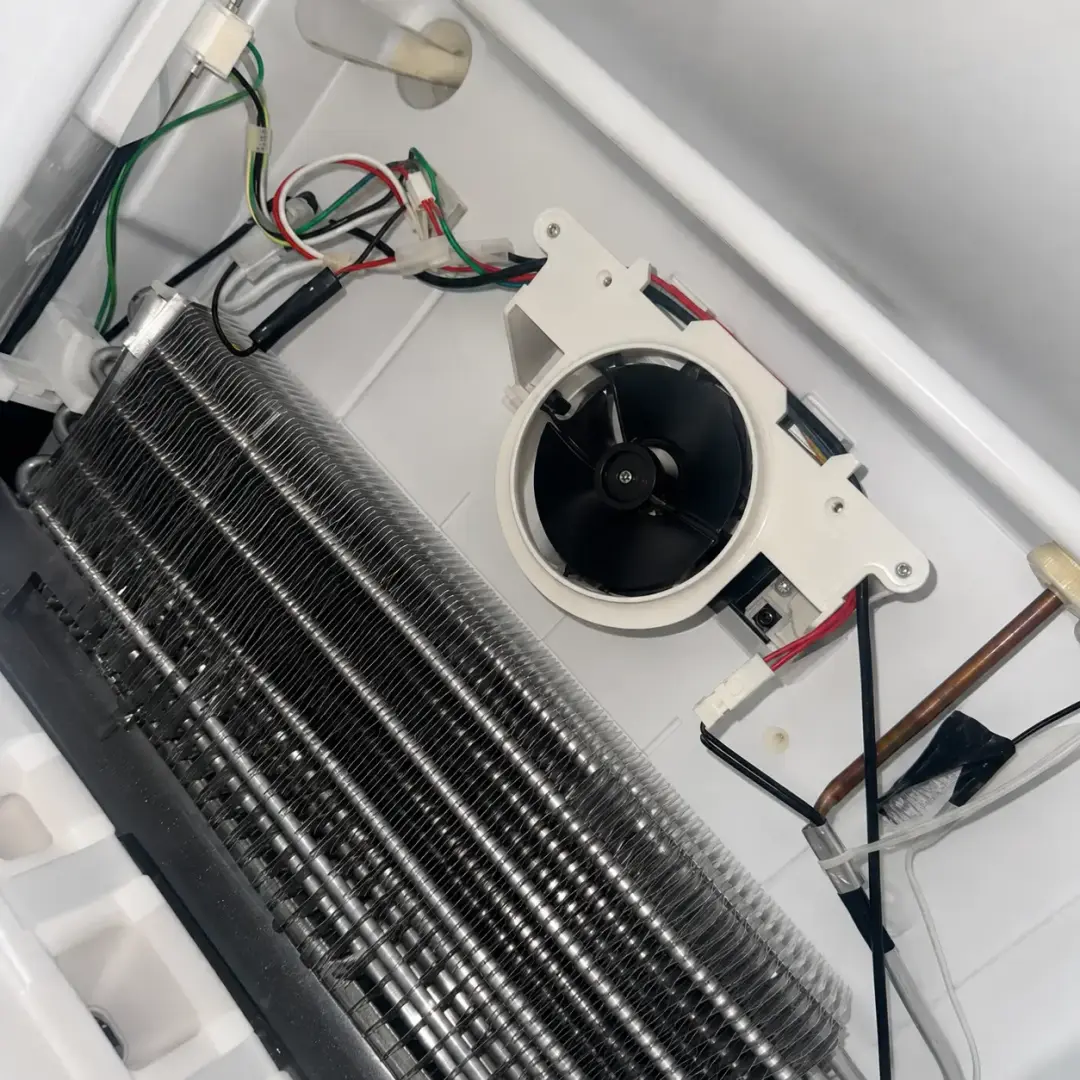
Dust and dirt can create additional restrictions. Filters, grilles, fans and coil surfaces should be inspected and cleaned according to the equipment's maintenance requirements.
Poor airflow may also result from a fan fault. A motor can become weak or a blade can be damaged even though the refrigeration system continues operating. Signs include uneven temperatures, extended compressor running and areas of excessive heat.
A refrigeration engineer can measure airflow and inspect fans, vents and coils to find restrictions. Improving circulation often helps the system transfer heat more effectively. This can reduce energy consumption while also improving temperature consistency throughout the refrigerated area.
Blocked Air Vents and Grilles
Blocked air vents and grilles can prevent refrigeration equipment from circulating air properly. Stock, packaging, dust and other items may gradually obstruct openings without staff noticing. Internal vents should have enough clear space for cold air to move throughout the refrigerated area. External ventilation grilles also need to remain clear so heat can escape from condenser equipment.
Do not stack boxes directly against refrigeration vents simply to maximise storage space. Regular visual checks can identify straightforward obstructions before they cause performance problems. Dusty grilles may also require cleaning as part of routine maintenance. If airflow remains poor after visible obstructions are removed, a fan or internal component may need inspection.
A refrigeration engineer can check whether the system is receiving and distributing sufficient airflow. Keeping vents clear is a simple way to support efficient operation and reduce the likelihood of the refrigeration system running unnecessarily to compensate for restricted circulation.
Low Refrigerant Levels
Refrigerant is essential for transferring heat through a refrigeration system. If the refrigerant charge becomes too low, cooling performance can decrease and the compressor may operate for longer while trying to maintain the required temperature. Refrigerant does not normally disappear through routine operation. Low levels can therefore indicate a leak or another problem that needs investigation. Signs can include poor cooling, longer running times, unusual ice formation or changes in system performance. Do not attempt to add refrigerant without identifying why the level has fallen. Simply topping up a leaking system does not correct the underlying fault.
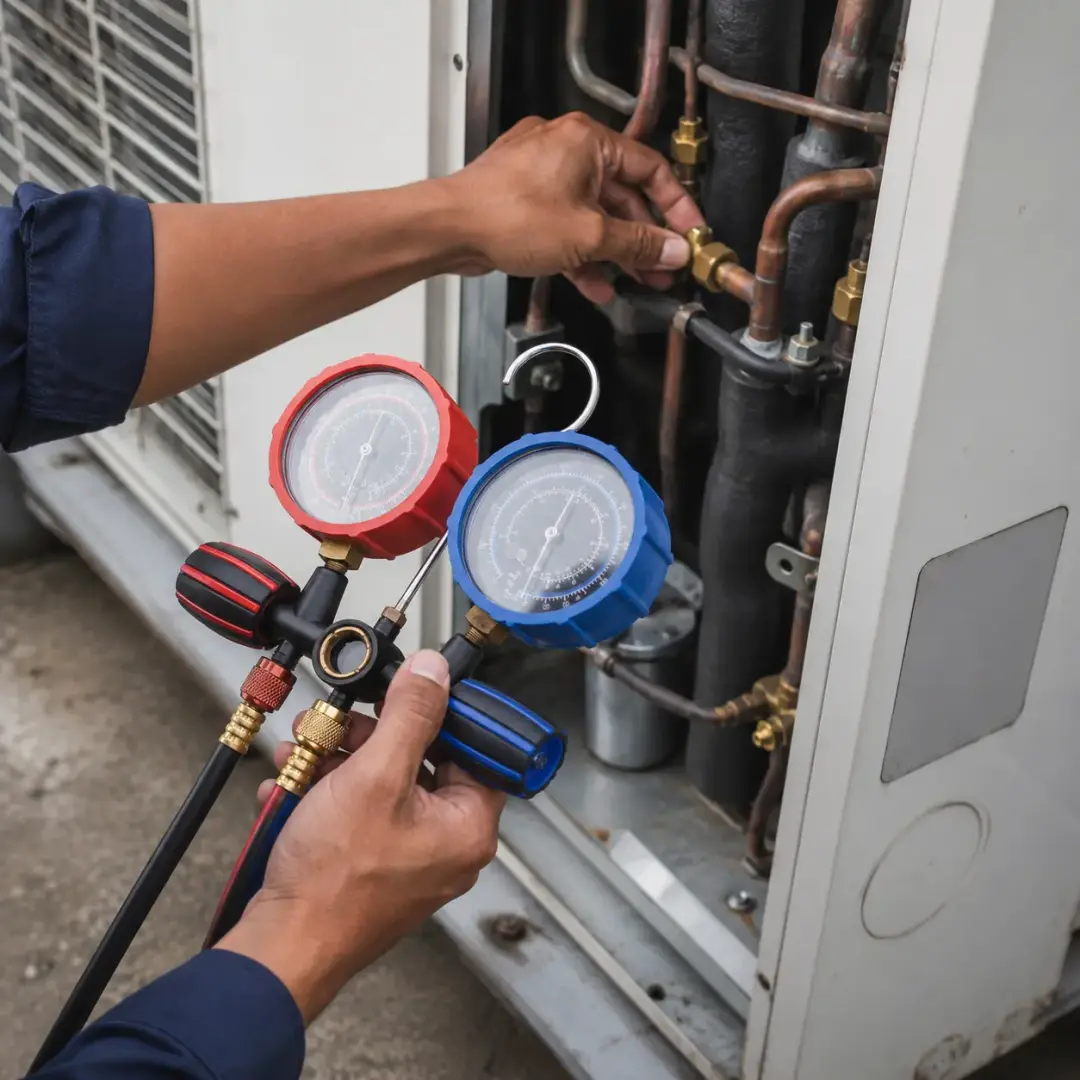
Refrigeration work involving refrigerants should be handled by appropriately qualified professionals using suitable equipment and procedures.
A refrigeration engineer can inspect the system for signs of leakage, test operating conditions and determine whether repairs are required. Once the cause has been addressed, the refrigerant charge can be restored correctly where appropriate.
Operating a system with insufficient refrigerant can waste energy and place additional strain on the compressor. Prompt professional attention helps restore efficient heat transfer and reduces the likelihood that a relatively small refrigerant problem develops into more expensive equipment damage or loss of cooling.
Are you looking for a refrigeration engineer near me in Derby, Nottingham and Leicester? Choose Richmond Air Conditioning Limited for refrigeration services near you. Whether you need maintenance, repairs, or new installations, we have got you covered. Our commitment to customer satisfaction and technical excellence makes us the best choice for refrigeration services.