Keeping Cool During a Heatwave
British summers have a reputation for being unpredictable. Sunshine can be followed by cloud and rain within hours, and long periods of mild weather can suddenly give way to several days of intense heat.
However, periods of very hot weather are becoming harder to dismiss as a rare inconvenience. When temperatures remain high for several days, homes and workplaces can steadily absorb heat. Bedrooms become uncomfortable at night, conservatories and south-facing rooms can become difficult to use, and opening a window may provide little relief when the air outside is just as warm.
This is where air conditioning can make a noticeable difference.
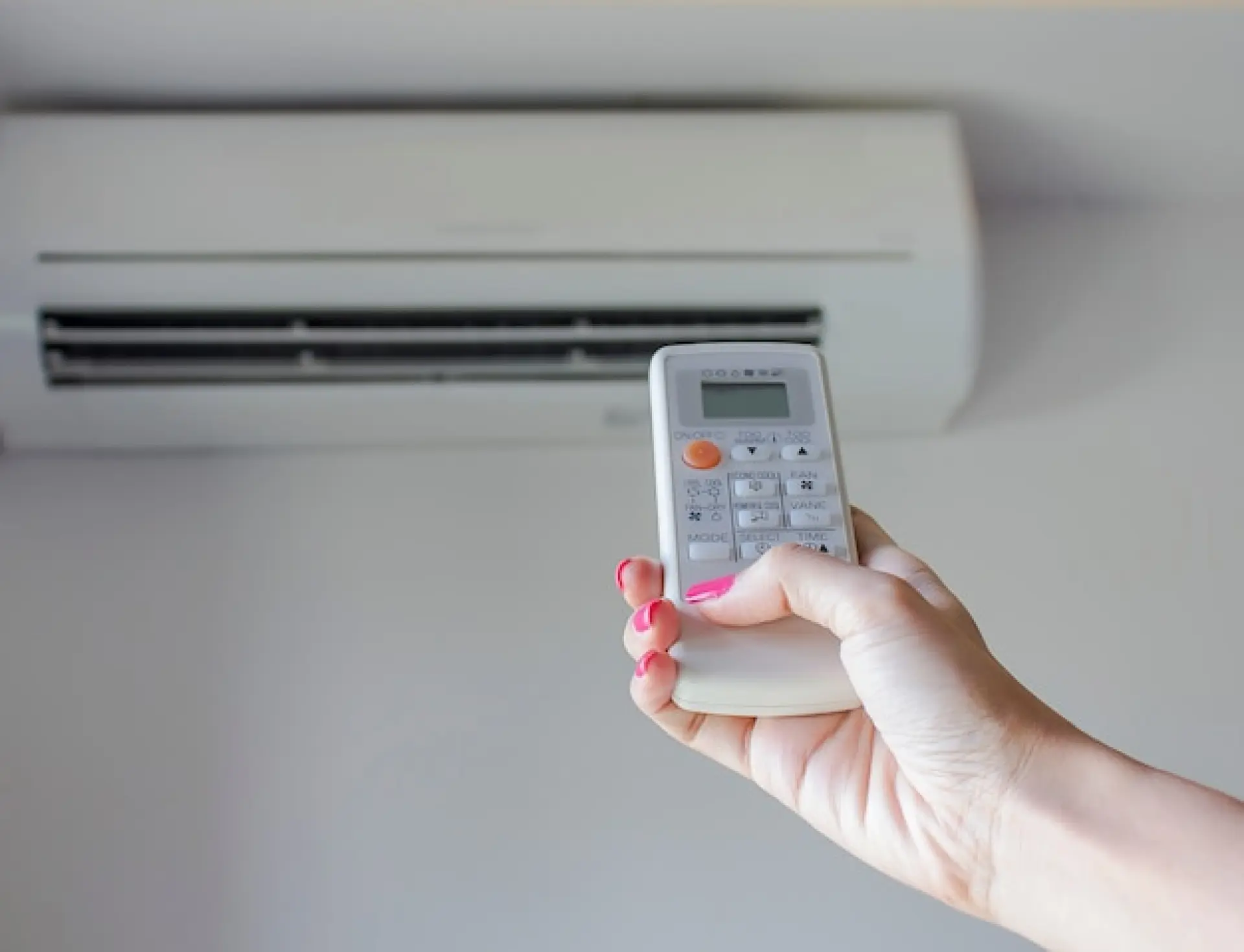
Rather than simply moving warm air around a room, an air conditioning system can actively lower the indoor temperature and maintain it at a more comfortable level. During a summer heatwave, that gives households and businesses greater control over conditions inside their buildings, even when outdoor temperatures continue to rise.
Why UK Heatwaves Can Feel So Uncomfortable Indoors
A temperature that feels pleasant during a short spell outdoors can be very different when it lasts throughout the day and continues into the evening.
Buildings absorb heat from sunlight, warm outdoor air, electrical equipment, cooking and the people inside them. Some properties retain that heat particularly well. Upper-floor flats, loft conversions and rooms with large areas of glazing can all become very warm during prolonged sunny weather.

Modern insulation can create another challenge. Insulation is extremely useful for reducing heat loss during colder months, but a well-insulated building may also retain unwanted heat once it has entered.
Night-time temperatures matter too. During particularly warm periods, outdoor temperatures may remain high well after sunset. The Met Office refers to nights where temperatures do not fall below 20°C as "tropical nights". It has noted that these conditions can make sleeping difficult and reduce the opportunity to recover from daytime heat.
Opening windows and using fans can help in some circumstances, particularly once the outdoor temperature has fallen. However, there are times during a heatwave when these measures are not enough to bring a hot building back to a comfortable temperature.
Air conditioning offers active cooling rather than relying on cooler outdoor air becoming available.
Maintaining a More Comfortable Indoor Temperature
An air-conditioned room gives people somewhere to escape from persistent outdoor heat. Instead of waiting for the evening or hoping that an open window creates enough airflow, the indoor temperature can be controlled directly.
This can be particularly valuable in rooms that receive strong sunlight for much of the day.
Temperature control also makes the home easier to use normally. Cooking, cleaning, working from home, sleeping and relaxing can all become unpleasant when every room feels excessively warm.
Air conditioning does not require a room to feel cold to be useful. In fact, creating a comfortable and steady indoor temperature is usually preferable to making a room dramatically colder than the conditions outside.
The aim is to create a space where everyday activities can continue without the heat becoming the main focus of the day.
A Cool Space Can Be Important During Extreme Heat
Comfort is not the only consideration during a heatwave.
Hot weather can cause dehydration, overheating, heat exhaustion and heatstroke. Government health guidance also explains that some people face a greater risk of becoming seriously unwell, including older people, babies and young children, pregnant women and people with certain existing health conditions.

Having access to a reliably cooler indoor space can therefore become particularly valuable when temperatures remain unusually high.
Air conditioning should not replace sensible hot-weather precautions. Drinking enough water, limiting exposure to strong sunshine and following official heat warnings remain important. However, controlling indoor temperature can form part of a wider approach to keeping a home comfortable during extreme weather.
Air conditioning can interrupt that cycle by actively removing unwanted heat from the room.
This becomes especially relevant during several consecutive hot days. A building that fails to cool properly overnight may begin the following morning already warm, allowing indoor temperatures to rise further as the day progresses.
Better Conditions for Sleeping During Hot Nights
A bedroom may remain warm long after outdoor temperatures have started to fall, particularly if it has been exposed to direct sunlight during the afternoon or evening. Fans can create airflow, but they do not actively lower the room temperature in the way that an air conditioning system can.
Cooling a bedroom before going to sleep can create much more comfortable conditions. A suitable system can then maintain a steady temperature rather than leaving occupants dependent on a sudden change in the weather.
This benefit is not limited to particularly hot parts of the country. Even where daytime temperatures are lower, a bedroom that retains heat can remain uncomfortable well into the night.
Heatwaves Are Not the Same Across the UK
A UK heatwave does not mean that every part of the country experiences the same temperatures. Southern and eastern England will often experience some of the highest temperatures during major hot spells, while areas further north and west can remain considerably cooler.
Cooling a bedroom before going to sleep can create much more comfortable conditions. A suitable system can then maintain a steady temperature rather than leaving occupants dependent on a sudden change in the weather.
This benefit is not limited to particularly hot parts of the country. Even where daytime temperatures are lower, a bedroom that retains heat can remain uncomfortable well into the night.
During a hot spell at the end of June 2025, for example, the Met Office forecast temperatures of around 34°C in London and south-east England. At the same time, cloud and rain across western Scotland and Northern Ireland were expected to keep temperatures in the mid to high teens.
Air Conditioning Differences across the UK
Air Conditioning in the North
Average summer conditions may be cooler, but that does not automatically make air conditioning unnecessary. Local weather, building design and the position of individual rooms all matter. A heavily glazed office in northern England, for example, can become warmer than a shaded home hundreds of miles further south.
Heatwaves can also affect people differently depending on what temperatures they are used to. The practical question is therefore less about whether a property is "north" or "south" and more about how warm the building actually becomes during hot weather.
Air Conditioning in the South
Properties in southern England may experience longer or more frequent periods of high summer temperatures. Rooms with large windows and those facing the afternoon sun can gain significant amounts of heat during these periods.
In these areas, air conditioning may be used regularly throughout the warmer months rather than being reserved for only one or two exceptionally hot days.
Helping Pets and Other Animals Stay Comfortable
Humans are not the only members of a household affected by excessive indoor heat.

Dogs, cats, rabbits and other pets also need suitable places to rest during hot weather. Some animals have fewer effective ways of regulating their body temperature than humans, making access to shade, water and cooler surroundings particularly important.
An air-conditioned room can provide a cooler indoor area for pets during the hottest part of the day. This may be useful for animals that cannot simply be moved to a cooler outdoor location or properties where every room receives significant amounts of sunshine.
There are still sensible precautions to follow. Animals should have access to fresh drinking water, and their behaviour should be monitored during unusually hot conditions.
The temperature should also be kept comfortable rather than excessively cold. Pets should be able to move away from direct airflow if they choose. For households with animals, air conditioning can therefore benefit the whole home rather than only the people living in it.
Keeping Home Offices Usable During Heatwaves
Working from home has changed the way many people experience hot weather. A room that is perfectly suitable as an office for most of the year may become uncomfortable during summer, particularly if it contains computers, monitors and other equipment that produce additional heat.
Trying to concentrate while feeling excessively warm can make even straightforward work feel more difficult. Air conditioning provides greater control over the room rather than relying entirely on desk fans and open windows. It can also allow windows to remain closed when outdoor noise would otherwise be distracting.
Although workplace comfort and productivity are subjects in their own right, during a heatwave the basic benefit is straightforward: a home office can remain a practical room to work in even when conditions outside are unusually hot.
Making More of the Space You Already Have
Some rooms become almost unused during very hot weather. Loft rooms are a common example because heat rises through a property and the roof can receive strong sunshine throughout the day. Conservatories, extensions with roof glazing and rooms with large south-facing windows can experience similar problems.
Air conditioning can help turn these areas back into usable living space. That matters because people naturally tend to gather in the coolest part of a property during a heatwave. Without cooling, an otherwise spacious house can effectively shrink to the handful of rooms that remain tolerable.
Being able to control the temperature in problem areas means bedrooms, offices, living rooms and other spaces can continue serving their normal purpose.
Greater Control Than Waiting for the Weather to Change
One of the less obvious benefits of air conditioning is predictability. Government guidance recommends measures such as shading sun-facing rooms and opening windows when the outdoor air becomes cooler than the air inside.
Without active cooling, keeping a home comfortable often depends on several factors lining up correctly. Curtains need to be closed before strong sunlight enters. Windows may need to remain shut while outdoor temperatures are higher than those indoors. They then need to be opened when cooler evening air finally arrives.
These measures remain useful even in an air-conditioned property because reducing unnecessary heat gain can reduce the amount of cooling required. However, air conditioning provides an additional level of control.
If the evening remains hot, the system can still cool the room. If there is little breeze outside, cooling is not dependent on natural airflow. If external noise makes sleeping with windows open difficult, occupants have another option. This makes indoor comfort less dependent on what the weather happens to do next.
Useful for Businesses as Well as Homes
Heatwaves can create challenges across shops, offices, salons, restaurants and many other commercial buildings. Customers may spend less time in premises that feel excessively warm, while staff still need to work throughout the hottest part of the day.
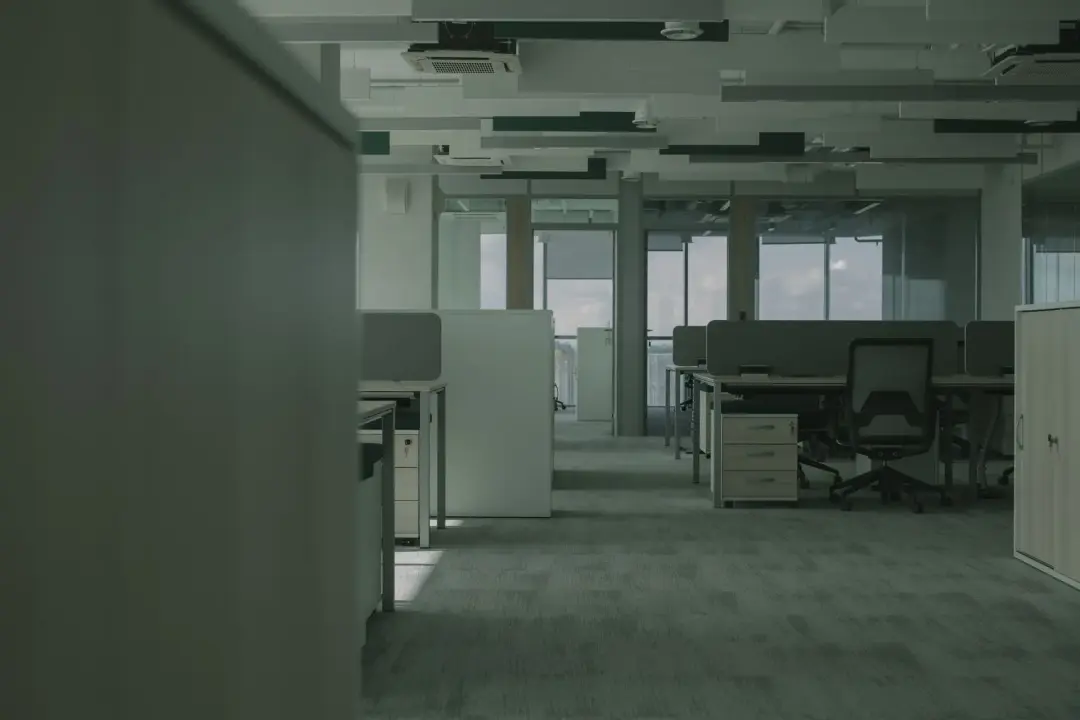
Some commercial properties also have large windows, lighting, computers, kitchen equipment or machinery adding heat to the building. Air conditioning allows businesses to create a more consistent indoor environment regardless of short-term outdoor temperature changes.
There is also a useful difference between entering a cool building and simply entering a shaded one. Shade removes direct sunlight, but the surrounding air may remain warm. Air conditioning actively manages the indoor temperature, creating a clearer escape from outdoor heat.
During particularly hot periods, that can make commercial spaces noticeably more comfortable for employees, customers and visitors.
Using Air Conditioning Sensibly During a Heatwave
Having air conditioning does not mean it needs to run at maximum cooling throughout the day.
Simple measures can help reduce the amount of heat entering a building in the first place. Blinds and curtains can be used to limit strong sunlight. Doors and windows should generally remain closed while air conditioning is operating, unless the system or building requires a particular ventilation arrangement.
Setting a sensible indoor temperature is also important. The room does not need to feel cold to provide relief from extreme outdoor heat.
Planning ahead can help too. Discovering that an air conditioning system has a problem on the hottest afternoon of the year is far from ideal. Checking the system before prolonged hot weather arrives provides more time to deal with any faults. For homes considering installation, planning before summer also means the system can be ready when temperatures begin to rise rather than after a heatwave is already under way.
Air Conditioning as Part of Preparing for Hotter Summers
Air conditioning was once viewed by many people in the UK as something mainly associated with hotels, offices and holidays abroad. That view is gradually changing as periods of intense summer heat become harder to ignore. Government and Met Office hot-weather guidance increasingly focuses on the importance of preventing buildings from overheating and giving people ways to keep cool.
Installing air conditioning is one possible response. It provides direct control over indoor temperature, helps make hot bedrooms and living spaces usable, creates cooler areas for people and pets, and reduces dependence on the weather cooling naturally at night.
It is not necessary to wait until every room becomes unbearably hot before thinking about cooling. Preparing a property in advance means comfortable conditions can be maintained from the beginning of a hot spell.
For households and businesses that regularly struggle with high indoor temperatures, air conditioning can turn a heatwave from something that has to be endured into something that is far easier to manage.
Richmond Air Conditioning Limited can advise on suitable air conditioning options for homes and businesses, helping you choose a system that matches the property, the rooms you want to cool and the way you plan to use it.