Understand 'What is Refrigerated Trailer Hire Used For' and how hiring rather than purchasing provides flexibility for businesses requiring temporary cold storage solutions. This article explores the various uses of refrigerated trailer hire, explaining how these mobile cold storage units operate and detailing their benefits across multiple industries.
What are refrigerated trailers, and how do they work?
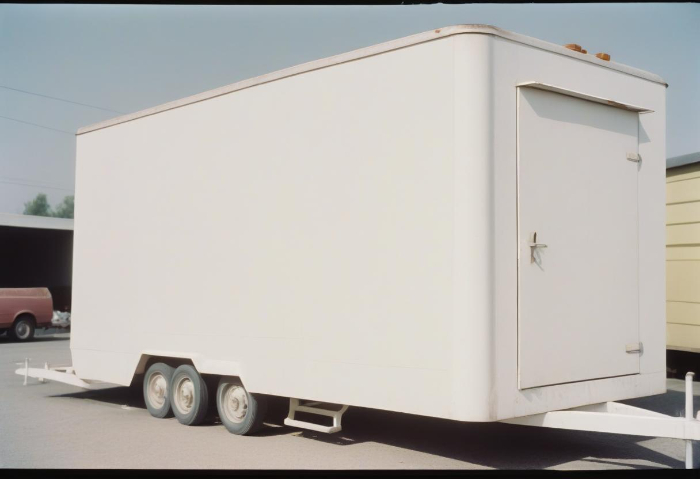
Refrigerated trailers, often called fridge trailers, are special units used to transport and store perishable goods at controlled temperatures.
These trailers are mobile cold rooms that ensure products remain fresh during transport or temporary storage. They work by using a cooling system, much like a refrigerator, to maintain a set temperature inside. This system includes a compressor, condenser, evaporator, and insulation to keep the temperature stable regardless of outside conditions.
The controls ensure that you can adjust the temperature to suit the products being stored, whether frozen, chilled, or ambient conditions are needed.
Refrigerated trailer hire offers flexibility for businesses that require temporary cold storage solutions. It ensures that goods maintain their quality without the need for a permanent installation.
Where are Refrigerated Trailers Used?
Refrigerated trailers are vital across various industries. In the food and beverage industry, they are used to store and transport items like meat, seafood, dairy, and beverages, ensuring these perishable goods remain fresh. In the pharmaceutical and biotechnology sectors, these trailers cater to the strict temperature requirements of medicines and other biological samples, preserving their efficacy.
Retailers and supermarkets often rely on these trailers to effectively manage overflow stock, especially during peak seasons or promotional periods. This strategy helps prevent spoilage by keeping items in optimal conditions until they are ready to be placed on shelves. By doing so, customers always have access to fresh products. Proper inventory management is crucial for maintaining product quality.
Catering and event companies benefit from trailer hire during weddings, parties, and festivals, where onsite cold storage is necessary. This is equally important at music festivals, where large volumes of perishable food and drinks are served.
In the medical field and health services industry, refrigerated trailers provide essential cold storage space for vaccines, blood, and other medical supplies. This allows medical professionals to maintain the quality of these supplies. By offering a flexible solution, refrigerated trailers meet the varied needs of these diverse industries. That way, temperature-sensitive items are stored in the best possible conditions.
What are the benefits of refrigerated trailers?
Refrigerated trailers offer several benefits to businesses that require temporary cold storage. Firstly, they provide flexibility. Since these trailers are available for both short-term and long-term hire, businesses can adjust their rental period based on immediate or changing needs.
Secondly, they ensure quality. By maintaining a consistent temperature, these trailers prevent perishable goods from spoiling, thus safeguarding the quality of the stored products. This is essential in industries where product integrity directly impacts customer satisfaction and safety.
Thirdly, refrigerated trailers are mobile. They can be easily moved to different locations or sites, making them ideal for dynamic events like weddings or music festivals. Transporting them to various venues ensures that food and drinks remain fresh and safe for consumption. This flexibility offers significant convenience and reliability for event organisers.
Finally, by hiring rather than purchasing, businesses avoid the high upfront costs of owning a trailer. This is particularly beneficial for those with limited budgets or space constraints. In essence, refrigerated trailer hire offers an easy solution for keeping cold storage, whatever the demands of the business or event.
How to select the right refrigerated trailer?
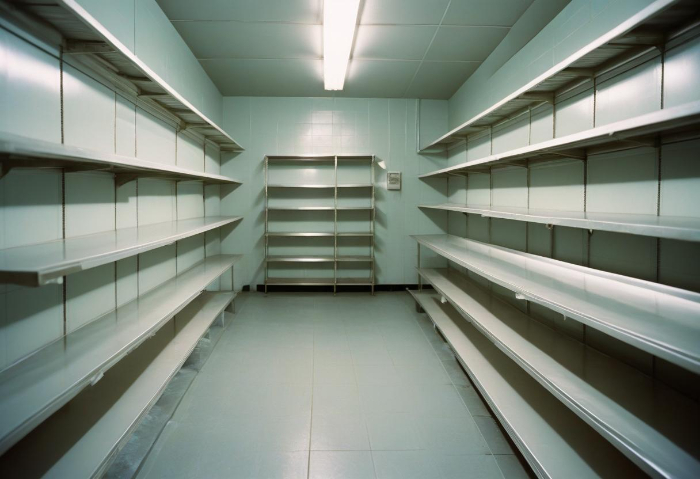
Choosing the right refrigerated trailer is crucial in meeting your storage needs. Start by assessing the size of the trailer required. It should offer enough space to store all your goods without overcrowding. Consider your stock list and potential growth when deciding. Keep in mind that choosing the right size is crucial for maintaining order and efficiency.
A well-organised trailer facilitates easy access to items, which can save time and prevent damage. Make sure to factor in any additional equipment or tools you need to transport. When selecting a trailer, it's also important to consider weight capacity and legal restrictions on size and weight. This ensures safe and compliant travel.
Next, think about temperature requirements. Different products require varying temperature settings, so make sure the trailer can provide the necessary cold storage conditions for your goods. In addition to location and access, safety and security should be considered, and the area should be well-lit and monitored.
Check that there is enough space for manoeuvring the trailer without obstacles. Ensure the trailer is accessible during all weather conditions. Taking these factors into account will enhance operational efficiency.
Consider whether you need the trailer for a short-term or long-term period. Short-term needs may arise during seasonal peaks or events, whereas ongoing requirements might suit long-term rental arrangements.
Finally, contact Richmond Air Conditioning Limited or similar providers to discuss specific needs and options, ensuring that your trailer hire effectively meets all your storage and logistical requirements.
Refrigerated Trailer Rental Near Me
Looking for refrigerated trailer rental near you? Richmond Air Conditioning Limited provides reliable refrigerated trailer hire across Derbyshire, Nottinghamshire and Leicestershire, helping businesses keep food, drinks and other temperature-sensitive goods safely chilled.

What is the difference between leasing and owning a refrigerated trailer?
Leasing and owning refrigerated trailers each have distinct advantages. You typically enjoy greater flexibility when you lease or hire a refrigerated trailer. Businesses can opt for short-term or long-term arrangements based on fluctuating needs or event-specific requirements. This eliminates the stress and worry of maintaining a trailer year-round when it's not in continuous use.
Leasing also means the provider often takes care of maintenance and repairs, reducing potential downtime and additional costs. This is ideal for businesses with limited on-hand technical expertise or time.
On the other hand, owning a refrigerated trailer gives a business full control over its cold storage unit. It can be the best option for various companies with consistent storage needs.
However, ownership comes with responsibilities such as regular maintenance, repairs, and possibly upgrades if newer models provide better efficiency. There is also the initial capital investment to consider when purchasing the trailer outright, which might be a large expense for small businesses.
Ultimately, businesses should weigh their specific needs, financial situation, and operational capabilities before deciding between leasing and purchasing refrigerated trailers. Consulting with providers and exploring all options is paramount. It allows businesses to ensure that the chosen solution aligns with their long-term goals, stock management, and logistical strategies.
Current Figures Show Why Cold Storage Planning Matters
WRAP’s current hospitality food-waste guidance reports that an average of 18% of food bought by the UK hospitality and food-service sector is thrown away, with wasted food costing the sector about £3.2 billion annually. These are sector-wide estimates covering many causes of waste; they do not show how much is caused by refrigeration failures or promise a particular saving from trailer hire.
The Met Office’s summer 2026 assessment recorded a provisional UK summer mean of 16.5°C and a seasonal maximum of 38.2°C at Hartpury College on 13 August. For an outdoor event, the practical implication is to check the hired unit’s operating limits, ventilation and power arrangements in hot weather rather than assuming it will perform identically in every location.
Using a Trailer During a Breakdown or Refurbishment
Temporary refrigeration can provide somewhere to hold stock while a cold room is repaired, a kitchen is refurbished or deliveries exceed the capacity of existing equipment. Confirm the amount of stock, its required temperature and how quickly a suitable trailer can be made ready. Availability, delivery time and the ability to reach temperature should be agreed with the hire provider.
Do not assume food from a failed fridge is automatically safe once it has been moved into a colder trailer. Review its temperature history and follow your food-safety procedures before deciding whether to retain it. A trailer creates storage capacity; it cannot reverse deterioration that has already occurred. Plan the transfer route so stock spends as little time outside controlled storage as practical.
Prepare the Site, Power Supply and Delivery Access
Agree a firm, level location with room for delivery, door access and safe pedestrian movement. Leave the clearances required by the equipment manufacturer so condenser heat can escape. Check that the towing or delivery vehicle can reach the proposed position without obstructing emergency routes.
Confirm the electrical supply, connector type and whether a dedicated circuit is needed. Extension leads, temporary distribution equipment and any generator should be selected by a competent person for the actual load and conditions. Not every trailer has the same power options. Ask who is responsible for setup, temperature checks and responding to a power failure throughout the hire period.
Load Correctly and Keep a Temperature Record
Bring the empty trailer to the agreed operating temperature before loading. Leave air paths clear around the evaporator and avoid packing products tightly against vents. Separate raw and ready-to-eat food appropriately, label stock and organise frequently needed items so staff do not leave the door open while searching.
Current government chilling guidance states that chilled food must be kept at 8°C or below in England, Wales and Northern Ireland, with 5°C or below recommended as the fridge setting to provide a margin. Follow any stricter product-specific instructions. Check and record temperatures using suitable equipment; a controller’s air reading alone does not establish the temperature of every product. Agree an action plan for abnormal readings before the event starts.
Check Suitability for Specialist Products and Transport
Food, flowers, medicines and laboratory materials can have different storage requirements. An ordinary catering trailer should not be assumed suitable for vaccines, blood products or other regulated goods. Specialist use may require documented temperature mapping, calibrated monitoring, alarms and a validated handling procedure agreed with the responsible organisation.
Also establish whether the equipment is intended for stationary storage or for transporting goods while maintaining temperature. Confirm that refrigeration operates as required during transit, along with towing arrangements, load limits and insurance. The right hire specification depends on the complete journey and use case, not simply the temperature shown on the controller.
If you need reliable refrigerated trailer rental for your business or event, our team is ready to help. Get in touch today to discuss your requirements and ensure your perishable goods stay perfectly preserved, wherever you need them.