Explore the different types of air conditioning systems used in commercial sectors, including central air, split systems, multi split systems, variable refrigerant flow, variable refrigerant volume, ducted systems, and rooftop units. Each system works in a different way, so it is important to understand how the main types support cooling, heating, comfort, and energy efficiency in a commercial space.
Commercial air conditioning plays a crucial role in keeping staff, customers, visitors, and occupants comfortable. In offices, shops, restaurants, gyms, hospitals, hotels, manufacturing facilities, warehouses, and other non residential buildings, the right air conditioning can improve the indoor environment and support productivity. The best commercial air conditioning systems will depend on the building size, layout, cooling requirements, heating needs, budget, and future demands.
There are many types of air conditioning available for commercial use. Some commercial ac systems are suited to small offices and small shops, whilst others are designed for larger spaces, large commercial spaces, multiple floors, or large open areas with high ceilings. Choosing the right ac system helps ensure reliable performance, lower energy costs, and long term comfort.
Wall Mounted Air Conditioning Units
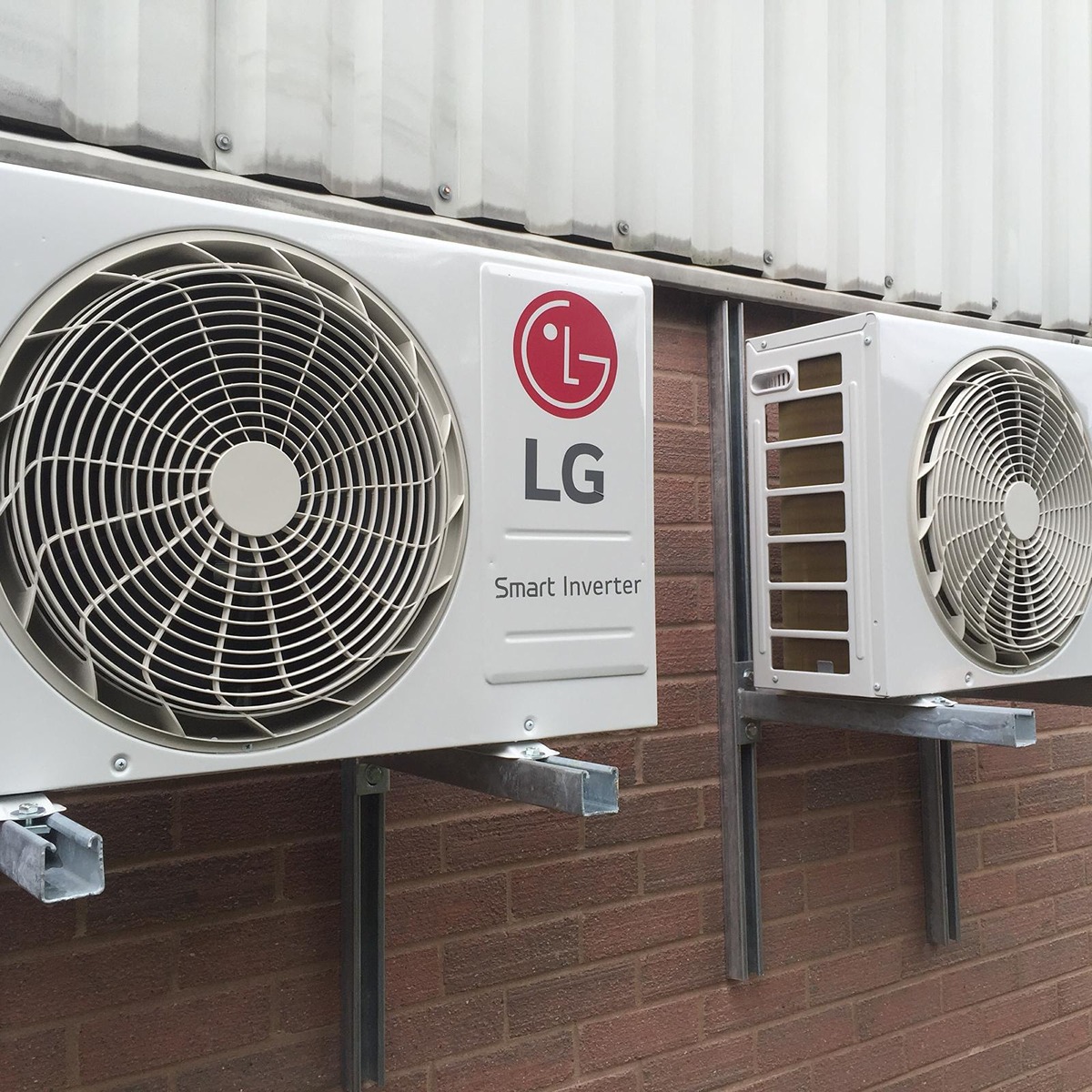
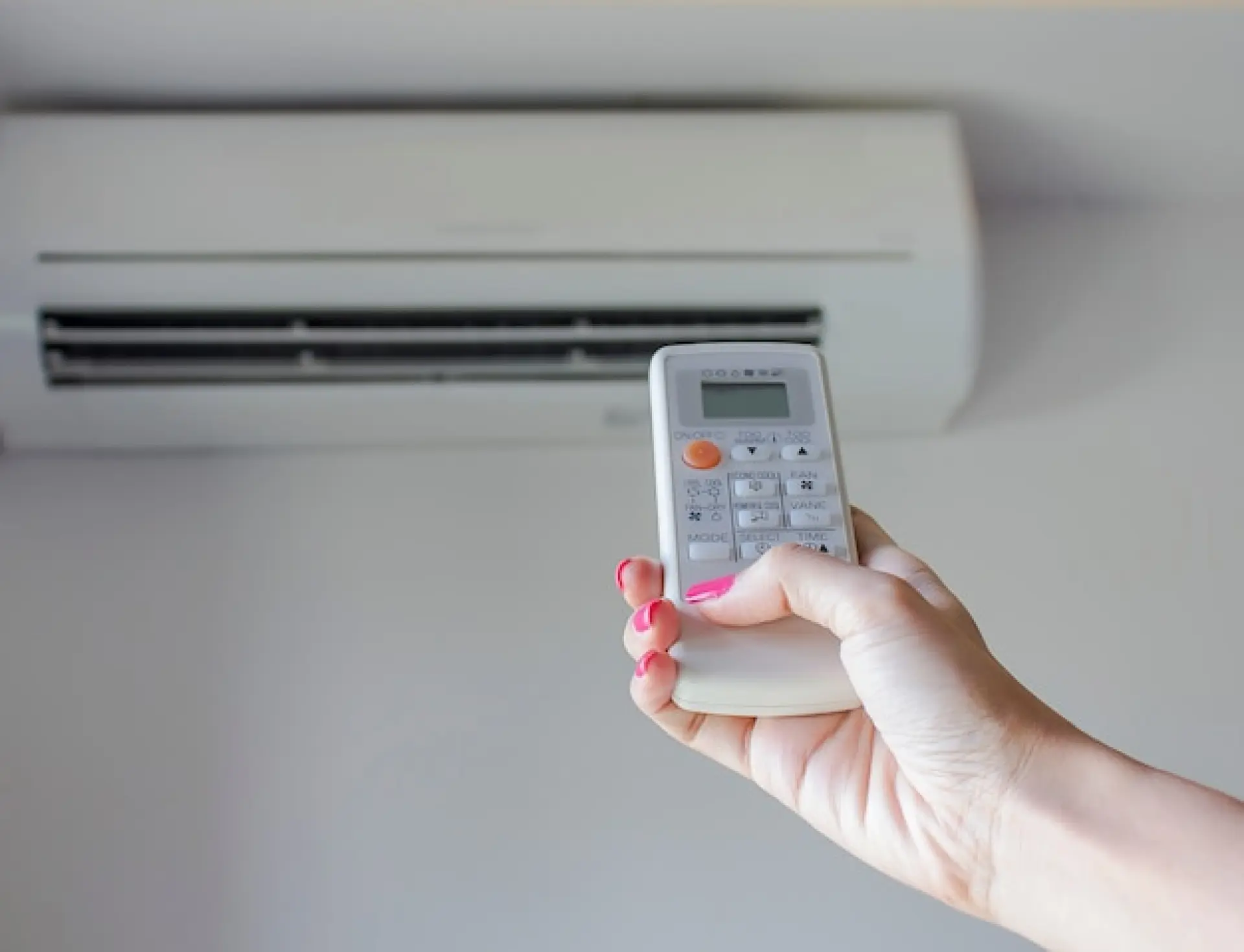
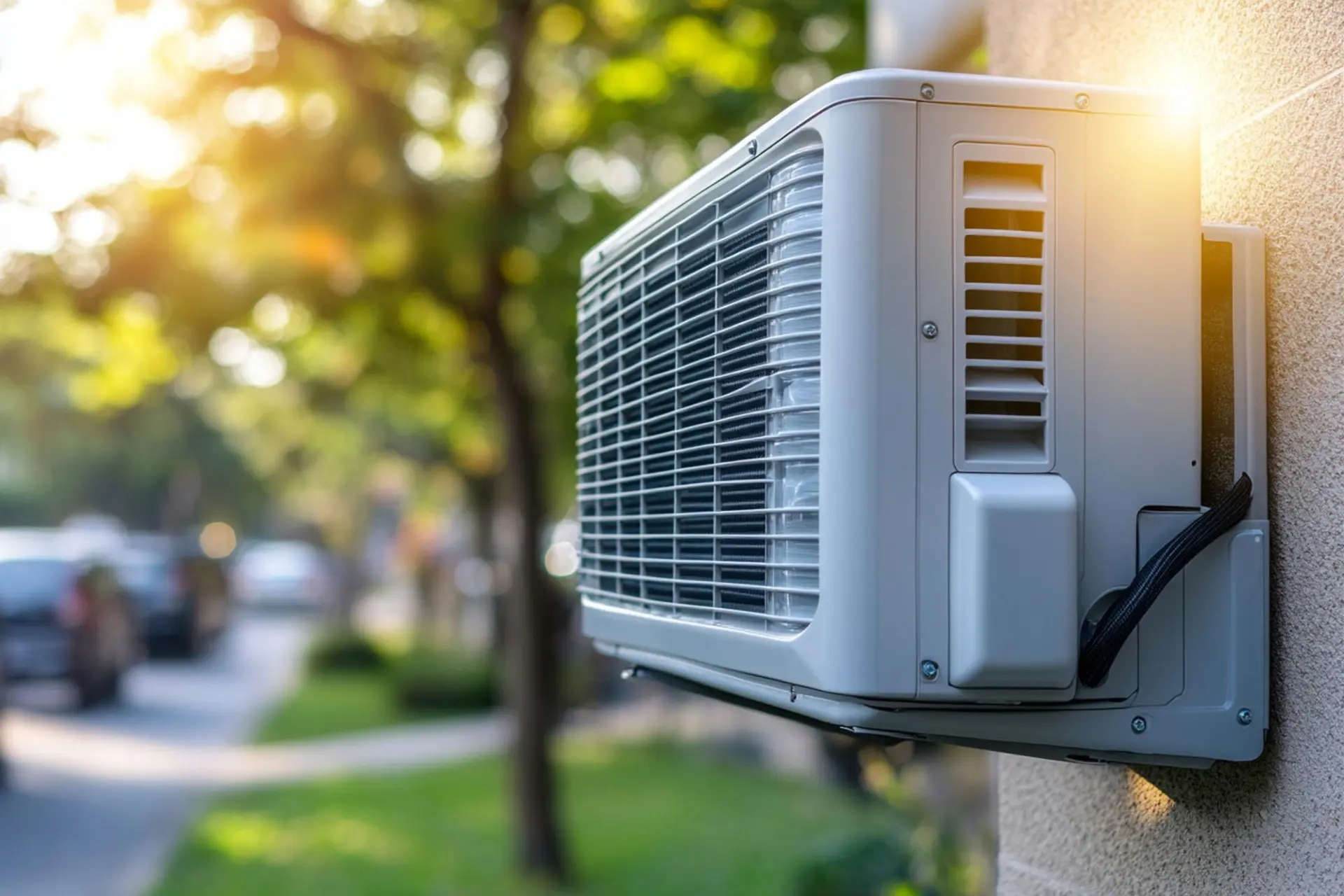
Wall mounted air conditioning units are one of the most common types of air conditioning in commercial sectors. These units are easy to install and are typically mounted on a wall inside the room. They consist of an indoor unit and an outdoor unit, connected by refrigerant pipes, piping and electrical wires. This type of air conditioning system is ideal for cooling single rooms, individual rooms, or small areas in commercial buildings, such as offices, small shops, and retail stores.
Wall mounted split systems are often used where a business needs a simple and cost effective solution. A single split system usually comprises one indoor unit and one outdoor unit. The indoor unit delivers cooled air or warm air directly into the room, while the outdoor unit houses the compressor and condenser. This makes single split systems familiar, compact, and easy to maintain.
The installation process is straightforward, and these units are often a suitable choice when there is limited outdoor space or when the building structure cannot support a more complex ac system. These air conditioning units provide efficient cooling and heating, making them suitable for a wide range of commercial space settings. The design means they do not take up floor space, which is important in offices, restaurants, and shops where every part of the space matters.
Single split systems also offer good temperature control. A room can be cooled or heated without affecting other areas of the building. This gives the business more control over comfort and energy use. If one unit breaks, the issue is usually limited to that single room, rather than the whole building.
Overall, wall mounted air conditioning units are a versatile option for businesses. They ensure a comfortable temperature for occupants, with the ability to adjust cooling or heating as needed. These split air conditioning systems are energy efficient and designed to provide reliable performance over time.
Cassette Air Conditioning Units
Cassette air conditioning units are another popular type of air conditioning in commercial sectors. These units are designed to be installed in the ceiling, with only the decorative panel visible. The indoor unit is stored within the ceiling space, making this type of air conditioning ideal for maintaining a neat appearance in rooms where wall and floor space are needed for other purposes.
The system works by drawing air from the room, cooling it, and then redistributing conditioned air evenly throughout the space. This helps avoid strong draughts and supports steady temperature control. Cassette air conditioning systems are particularly useful in commercial buildings like offices, shops, restaurants, gyms, and hotels, where a consistent indoor environment is needed for customers and staff.

Cassette air conditioning units are often chosen for medium and large commercial spaces because they can deliver air in several directions. This makes them ideal for open plan areas and large open areas. They are also suitable for spaces with higher occupancy levels, where cooling demands can increase during busy periods.
The installation of cassette units requires professional expertise. The indoor unit needs to be fitted into the ceiling, and the system must be connected to refrigerant pipework, electrical wires, and the outdoor unit. Once installed, these units are easy to operate and can often integrate with sensors, timers, and central control platforms.
Cassette systems are available in various sizes and capacity levels, allowing the installation to be based on the needs of the room, the number of occupants, and the size of the commercial space. They are a strong choice when a business wants quiet operation, even air flow, and an efficient air conditioning solution.
Floor Mounted Air Conditioning Systems
Floor mounted air conditioning systems are commonly used in commercial sectors where wall and ceiling space is limited. These units are installed close to the floor, making them an ideal solution for cooling and heating large rooms, older buildings, and open spaces where a ceiling mounted or wall mounted air conditioner may not be suitable.
This type of ac system is useful in buildings where the ceiling cannot be altered, where existing ductwork is not available, or where the wall layout makes other units difficult to install. Floor mounted air conditioning units can be used in offices, shops, restaurants, and other commercial environments that require steady cooling and heating throughout the day.
The system consists of an indoor unit placed near the floor and an outdoor unit connected by refrigerant pipes. The cooled air or heated air is distributed into the room, helping to maintain a comfortable environment for occupants. Because the unit is easy to access, filters and parts can often be checked during routine maintenance without complex work.
Floor mounted air conditioning systems are available in a range of sizes and capacity levels. This allows businesses to choose a system that can handle the cooling needs of the space. They are also a practical option where future replacing or upgrade work may be needed, as they can sometimes be easier to install than ducted systems.
These units are designed for energy efficiency and can be a cost effective choice for many commercial settings. They are particularly useful when a business needs direct cooling in a room but does not want a larger commercial air conditioning installation.
Ducted Air Conditioning Systems
Ducted air conditioning systems are a common type of air conditioning in commercial sectors, especially in large commercial buildings where multiple rooms require cooling and heating. These ducted systems use a network of ducts to move conditioned air from a central unit to different areas within the building.
The central system is usually located outside, in a plant room, or in another suitable service area. The air travels through ducts hidden within the ceiling, floor, or walls, with vents delivering cooled air into each room. This makes ducted air conditioning a clean and discreet option, especially where the look of the building is important.
Ducted systems are ideal for offices, hotels, restaurants, and other commercial buildings with existing ductwork. If existing ductwork is already in place and in good condition, installation may be more cost effective. If new ductwork is needed, the installation can be more complex and expensive, but it can also provide excellent long run value.
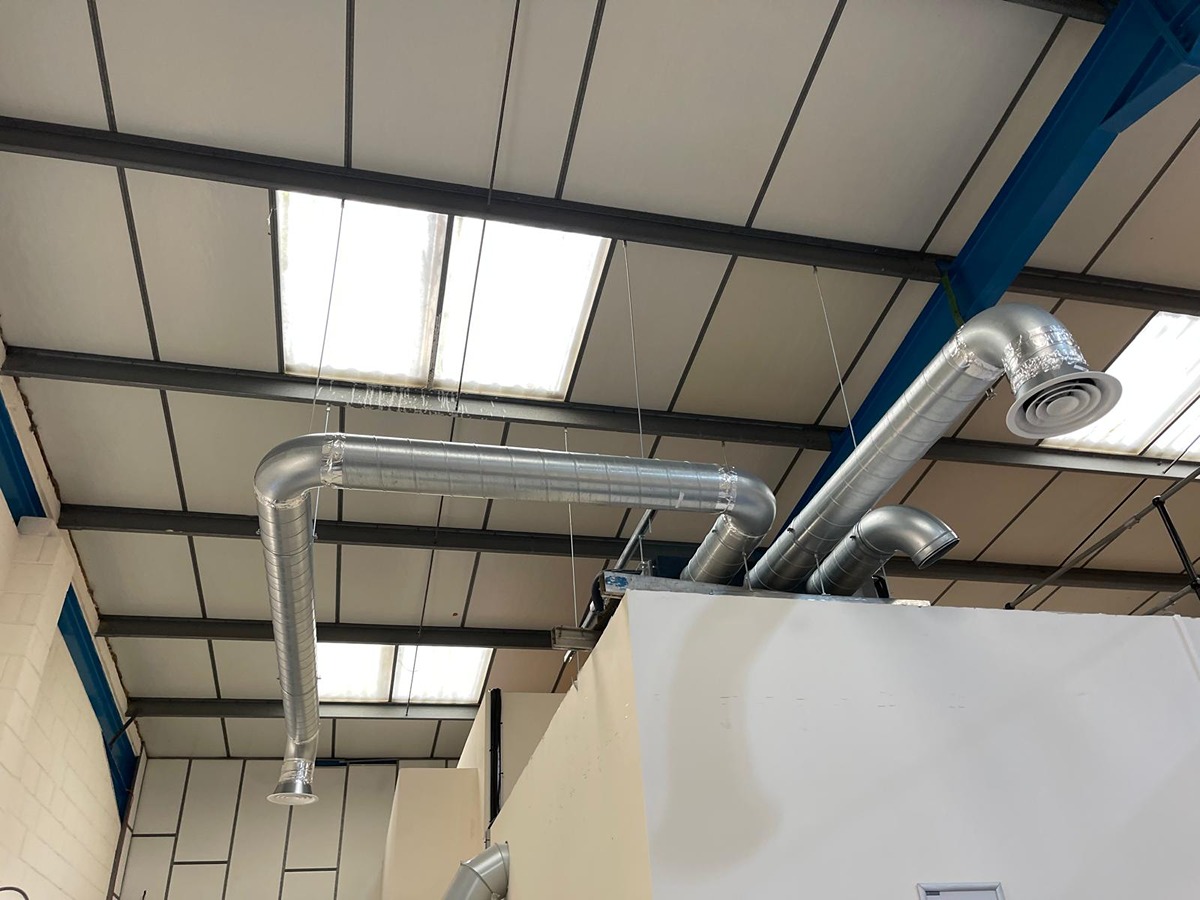
One major advantage of ducted air conditioning systems is the ability to serve multiple rooms from the same system. Different zones can be created, enabling independent temperature control in different areas. This means offices, meeting rooms, kitchens, dining areas, and reception spaces can be managed in a way that reflects varying cooling needs and different occupancy levels.
Ducted systems can also support better air movement across a building. With the right design, air ducts can help maintain a steady temperature and improve comfort in larger spaces. These systems require careful planning, as duct size, room layout, ceiling space, and cooling requirements all affect performance.
Maintenance is important for ducted systems. Filters, vents, ducts, and the main unit should be reviewed and cleaned as needed. Good maintenance helps ensure energy efficiency, reduces issues, and keeps the air conditioning system working safely and effectively.
Multi Air Conditioning Systems
Multi air conditioning systems, often called multi split systems, are a popular choice in commercial sectors that require cooling and heating for multiple rooms or different areas. Multi split systems consist of a single outdoor unit connected to multiple indoor units. This setup provides an efficient and flexible solution for commercial buildings where several rooms need air conditioning but there is not enough space for many outdoor units.
Multi split air conditioning is ideal for offices, hotels, small shops, restaurants, and other commercial space settings where different rooms have varying needs. Each indoor unit can be controlled separately, allowing individual rooms to have their own temperature control. This means one room can receive more cooling while another room receives less cooling, depending on the needs of the occupants.
A multi split system is useful where a business wants independent control without installing one outdoor unit for every indoor unit. By using a single outdoor unit, multi split systems save outdoor space and reduce the visual impact on the outside of the building. This can be important in older buildings or premises where outdoor equipment needs to be limited.
The installation process for multi split systems involves connecting the outdoor unit to numerous indoor units using refrigerant piping and electrical wires. The design must be carefully planned so the pipe runs, refrigerant flow, and system capacity can meet the demands of the building. Professional installation is needed to ensure the system works in the same way it was designed to operate.
Multi split air conditioning systems offer good energy efficiency because rooms can be controlled separately. A business can turn off air conditioning units in rooms that are not being used, helping to save energy and money. This makes multi split systems a popular option for businesses that want a practical balance between comfort, control, and cost.
Modern multi split systems may also include advanced controls, sensors, and timers. These features support comfort, ease of use, and improved energy performance. With regular maintenance, multi split systems can offer reliable cooling and heating for many years.
Ceiling Mounted Air Conditioning Units
Ceiling mounted air conditioning units are another common type of air conditioning in commercial sectors. These units are installed in the ceiling, making them ideal for preserving floor and wall space in buildings where these areas are already used for furniture, stock, displays, or customer seating.
This type of air conditioning system is particularly useful in large commercial spaces like offices, restaurants, shops, gyms, and showrooms.
Ceiling mounted units distribute air across the room, helping to maintain a comfortable temperature for occupants. They are often suitable for open plan areas where wall mounted units may not provide enough coverage.

The system consists of an indoor unit mounted on or within the ceiling and an outdoor unit connected by refrigerant pipes. The air conditioner is designed to provide both cooling and heating, making it useful throughout the year. Ceiling mounted units can also be an excellent choice when the layout of the room makes wall installation difficult.
The installation process requires professional knowledge, but once installed, ceiling mounted units are easy to operate. Many systems can be controlled by a wall control, remote control, or central control platform. This helps a business manage temperature settings across different areas
Ceiling mounted air conditioning units are designed to blend in with the room and can help reduce noise compared with some other types of air conditioning. With the right capacity and regular maintenance, they provide strong performance for medium and larger commercial environments.
Single Split Systems
Single split systems are one of the simplest and most common types of commercial air conditioning. A single split ac system includes one indoor unit and one outdoor unit. The indoor unit cools or heats the room, while the outdoor unit contains the compressor and condenser.
Single split systems are often used in small offices, small shops, server rooms, treatment rooms, and individual rooms within larger buildings. They are suitable where only one area needs cooling or heating. Because each single split system works on its own, it can offer strong control and reliable performance for that room.
Single split air conditioning systems are usually easy to install compared with larger commercial systems. They require refrigerant pipework, power, and a suitable location for the outdoor unit. Installation is still important, as poor design or incorrect placement can reduce efficiency and increase energy use.
One benefit of single split systems is that they allow a business to add air conditioning one room at a time. This can help when budget is limited or when the business does not need a whole building solution. On the other hand, if many rooms need cooling, multiple single split systems may require several outdoor units, which can take up outdoor space and make maintenance more time consuming.
Single split systems are a good choice for smaller commercial ac needs. They are simple, familiar, and effective, but they may not be the best solution for large buildings, multiple floors, or expansive spaces.
Variable Refrigerant Flow And Variable Refrigerant Volume Systems
Variable refrigerant flow, often known as VRF, is an advanced form of commercial air conditioning. Variable refrigerant flow VRF systems are designed to control the amount of refrigerant sent to each indoor unit. This allows the system to match the cooling or heating demand in different zones of a building.
Variable refrigerant volume, often known as VRV, works in a similar way. Variable refrigerant volume VRV systems also adjust refrigerant volume to match the needs of the space.
The terms VRF and VRV are often linked, and VRF VRV systems are widely used in commercial buildings where comfort, control, and energy efficiency are important. Daikin introduced VRV technology, and other manufacturers commonly use the term VRF.
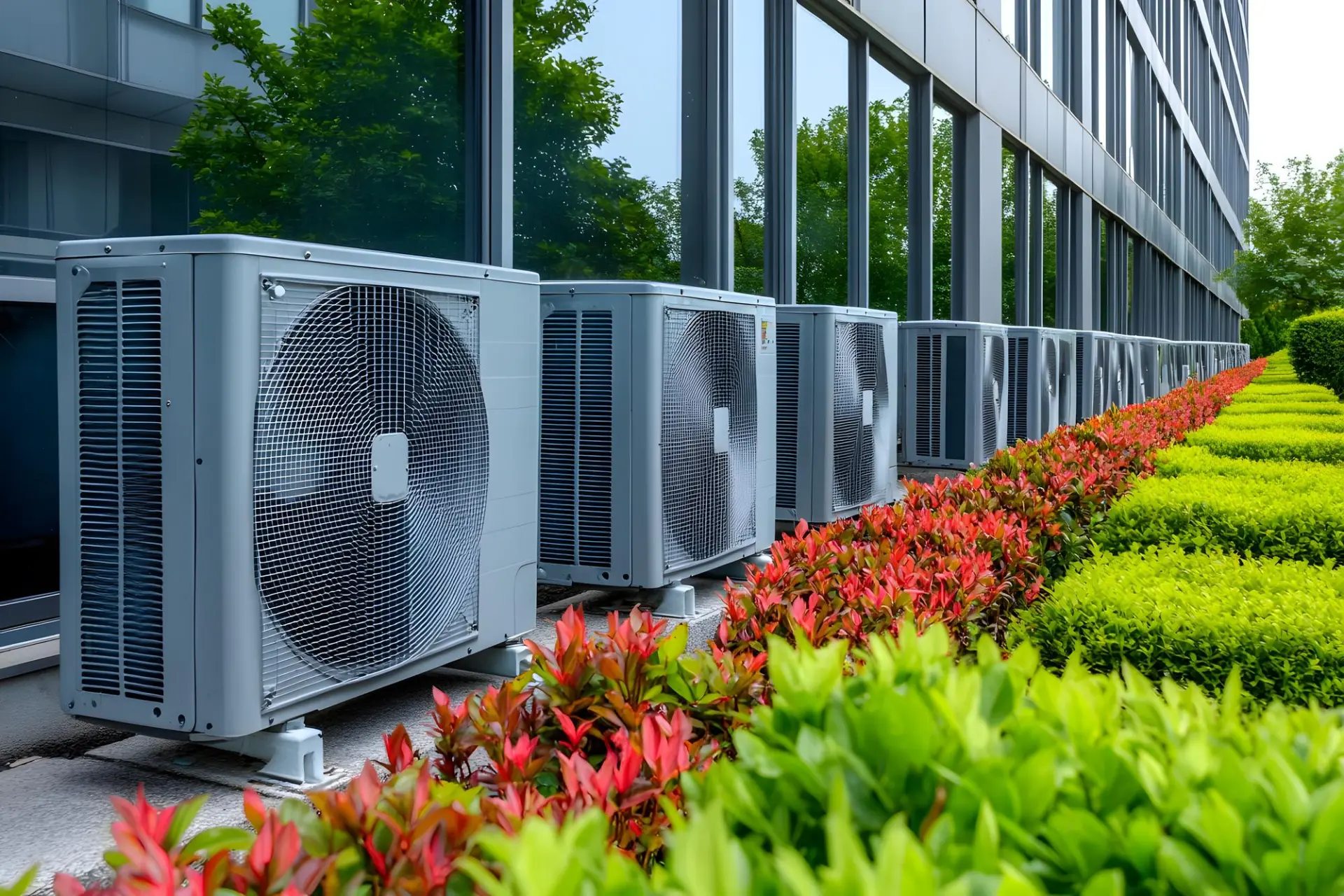
VRF systems and VRV systems are ideal for medium to large commercial space settings. They can serve offices, hotels, hospitals, restaurants, gyms, and large buildings with many indoor units. A variable refrigerant flow system can connect one outdoor unit or a group of outdoor units to multiple indoor units across different rooms and multiple zones.
The main advantage of VRF systems is flexibility. The system can provide varying cooling in different areas and can adjust refrigerant flow based on demand. This helps improve energy efficiency and comfort. In some cases, heat recovery systems can provide both cooling and heating at the same time in different zones. Heat recovery VRF systems are especially useful in large commercial spaces where one part of the building may need cooling while another part needs heating.
Variable refrigerant flow and variable refrigerant volume systems are more complex than basic split systems. They require careful design, skilled installation, and regular maintenance. However, they can be a strong investment for buildings with changing demands, multiple indoor units, and different areas that require separate control.
VRF systems are often chosen when a business needs a commercial ac system that can handle larger spaces and varied use. They are energy efficient, flexible, and capable of supporting comfort across the whole building.
Rooftop Units
Rooftop units are commonly used in commercial air conditioning for larger buildings, warehouses, retail stores, restaurants, and other commercial environments. As the name suggests, rooftop units are usually located on the roof of the building. This helps keep large air conditioning units away from customer areas and saves indoor space.
A rooftop ac system usually contains key parts in one unit, including the compressor, condenser, and air handling sections. It can provide cooling, heating, or both cooling and heating, depending on the system design. Air may be delivered through ductwork, with vents supplying conditioned air to different areas inside the building.
Rooftop units are suitable for large open areas, high ceilings, and buildings where floor or wall space is limited. They are often used where a robust commercial ac solution is needed. Because they are placed outside, they can also help reduce indoor noise.
Installation of rooftop units must consider the structure of the building, access for maintenance, power supply, and safe service routes. The system must also comply with relevant UK building and safety requirements. A professional review is needed to determine whether the roof can support the unit and whether ducts, controls, and air flow can meet the needs of the building.
Rooftop commercial air conditioners can be cost effective for large commercial spaces, especially when they are designed and maintained properly. They can deliver strong performance and are commonly used where simple access and high capacity are important.
Heat Pump Systems
Heat pump systems are used in many commercial air conditioning systems because they can provide both cooling and heating. A heat pump moves heat rather than creating it directly, which can make the system more energy efficient than some older forms of heating.
In cooling mode, the heat pump removes heat from the indoor air and transfers it outside. In heating mode, the same system can reverse the process and bring heat into the building. This makes heat pump systems useful for offices, shops, restaurants, and other commercial spaces that need comfort throughout the year.
A heat pump can be used within split systems, multi split systems, ducted systems, and VRF systems. This means the technology can support many types of commercial air conditioning installation. For businesses trying to reduce energy use, a heat pump can be an important part of a more sustainable approach.
The right heat pump system will depend on the size of the building, the number of indoor units, the cooling needs, and the heating demands. Good design is crucial to ensure the air conditioning system has the correct capacity and can operate efficiently.
Choosing The Right System For The Building
Choosing between the different types of air conditioning depends on several factors. These include the size of the commercial space, the number of rooms, the building layout, the cooling requirements, the number of occupants, the available budget, and whether existing ductwork is present.
For small offices and small shops, single split systems may be the perfect choice because they are simple, direct, and cost effective. For multiple rooms, multi split systems can provide better flexibility by connecting several indoor units to a single outdoor unit. For large commercial spaces, ducted systems, rooftop units, or variable refrigerant flow systems may be more suitable.
Businesses should also consider how the space is used. Restaurants may need strong cooling in dining areas but also need to manage heat from kitchens. Offices may require quiet air conditioning and steady temperature control across meeting rooms and open plan areas. Gyms may need powerful cooling due to higher activity levels. Hospitals and hotels may need separate control for individual rooms and different zones.
Energy efficiency is another important factor. An efficient system can save money over time and reduce wasted energy. The long run cost of commercial air conditioning is not just the installation price. It also includes energy costs, maintenance, servicing, repairs, and future upgrade needs.
The best way to choose a system is to have the premises reviewed by a qualified commercial ac installer. They can assess the space, discuss business needs, explain the differences between various types, and recommend a suitable solution.
Installation And Maintenance
Commercial air conditioning installation should always be carried out by trained professionals. The system must be the correct size, correctly installed, and safely connected. Poor installation can reduce performance, increase energy use, create noise, and cause maintenance issues in the future.
During installation, the installer will consider the indoor unit location, outdoor unit location, pipe runs, electrical wires, drainage, airflow, and access for servicing. For ducted systems, they will also review ductwork, air ducts, vents, and ceiling space. For VRF systems, they will check refrigerant flow, refrigerant volume, connected units, and control settings.
Maintenance is crucial for all commercial air conditioning systems. Filters should be cleaned or replaced, refrigerant levels should be checked, drains should be inspected, and faults should be detected early. Regular maintenance helps ensure the air conditioner continues to operate safely and efficiently.
A well maintained ac system can improve performance, reduce breakdowns, and extend the life of the equipment. It also helps provide cleaner indoor air, which is important for occupants, staff, and customers. Businesses should schedule maintenance based on system use, manufacturer guidance, and the demands of the building.
Energy Efficiency And Control
Energy efficiency is one of the most important benefits of modern commercial air conditioning. Newer systems are designed to provide cooling and heating with less wasted energy. This can make a major difference in commercial buildings where air conditioning may operate for many hours each day.
Control also has a direct effect on energy use. A system with good control settings allows a business to manage different areas separately. This means air conditioning can be reduced or turned off in unused rooms. Sensors can also help by adjusting operation based on occupancy, temperature, or time of day.
Multi split systems, VRF systems, and ducted systems can all support better control when designed well. Independent temperature control and zoning are useful because not every area of a building has the same cooling or heating needs. A meeting room may heat up quickly when full, while a storage area may require less cooling.
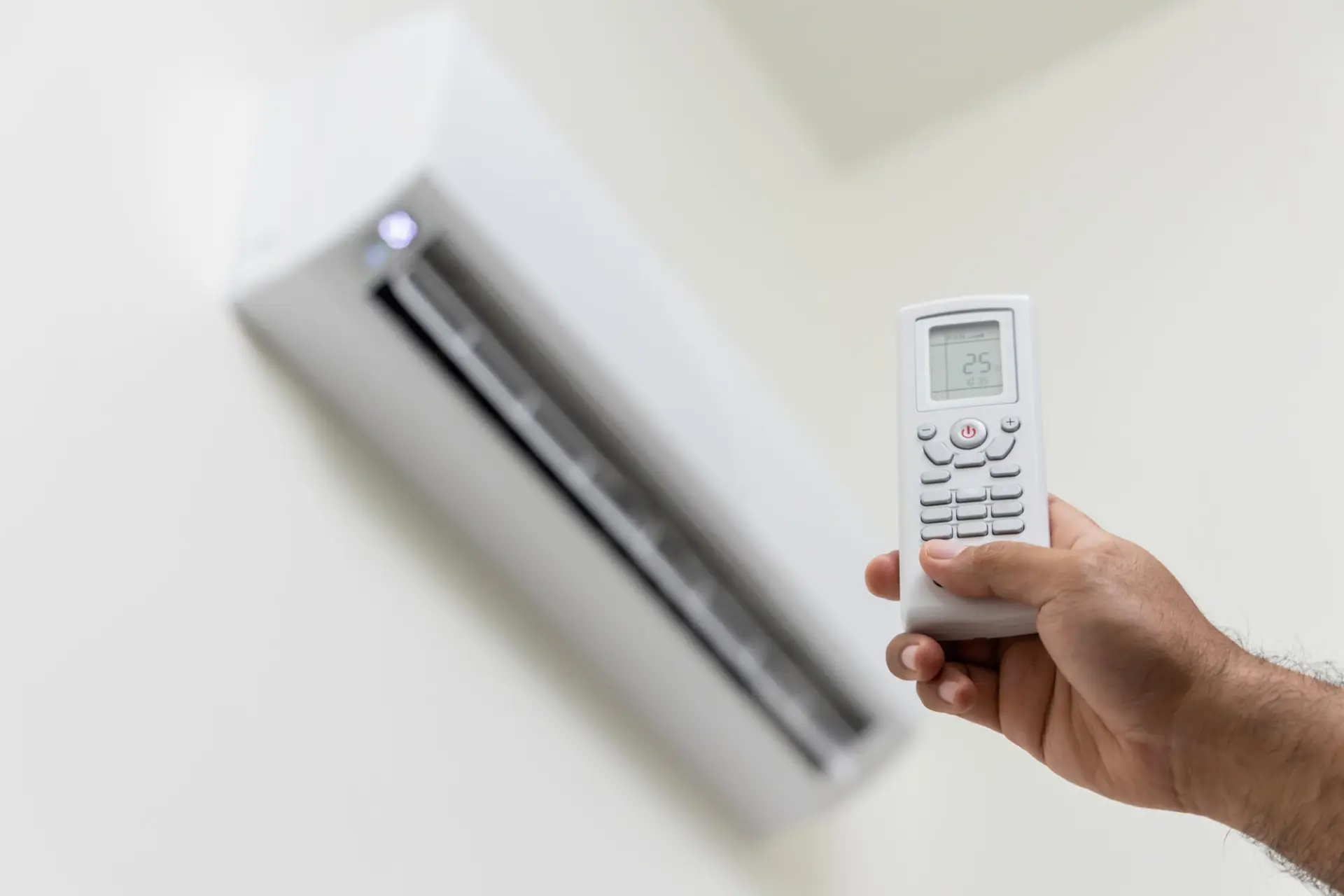
Energy efficient commercial ac systems can help save money and support more sustainable building operation. They can also improve comfort by maintaining a steady temperature without excessive air movement or noise.
Types of Commercial Air Conditioning: Final Thoughts
There are many types of air conditioning used across commercial sectors, and each system has its own benefits. Single split systems, multi split systems, split air conditioning systems, ducted systems, cassette units, ceiling mounted units, floor mounted units, rooftop units, heat pump systems, VRF systems, and VRV systems can all be suitable in the right setting.
The best commercial air conditioning system is the one that matches the building, the space, the business needs, and the people using it. A small office may only need one unit, while large commercial spaces may require numerous indoor units, multiple zones, ducts, or a more complex variable refrigerant flow system.
By understanding the different types of commercial air conditioning, businesses can make a better choice and invest in a system that provides comfort, control, cooling, heating, and efficiency. A professional installation, regular maintenance, and the right system design will help ensure the air conditioning continues to work well for years.
We provide commercial air conditioning installation in Derby, Nottingham, and Leicester. Our team specialises in both residential and commercial systems. Whether it's for your home or business, trust Richmond Air Conditioning Limited to handle all your air conditioning needs.