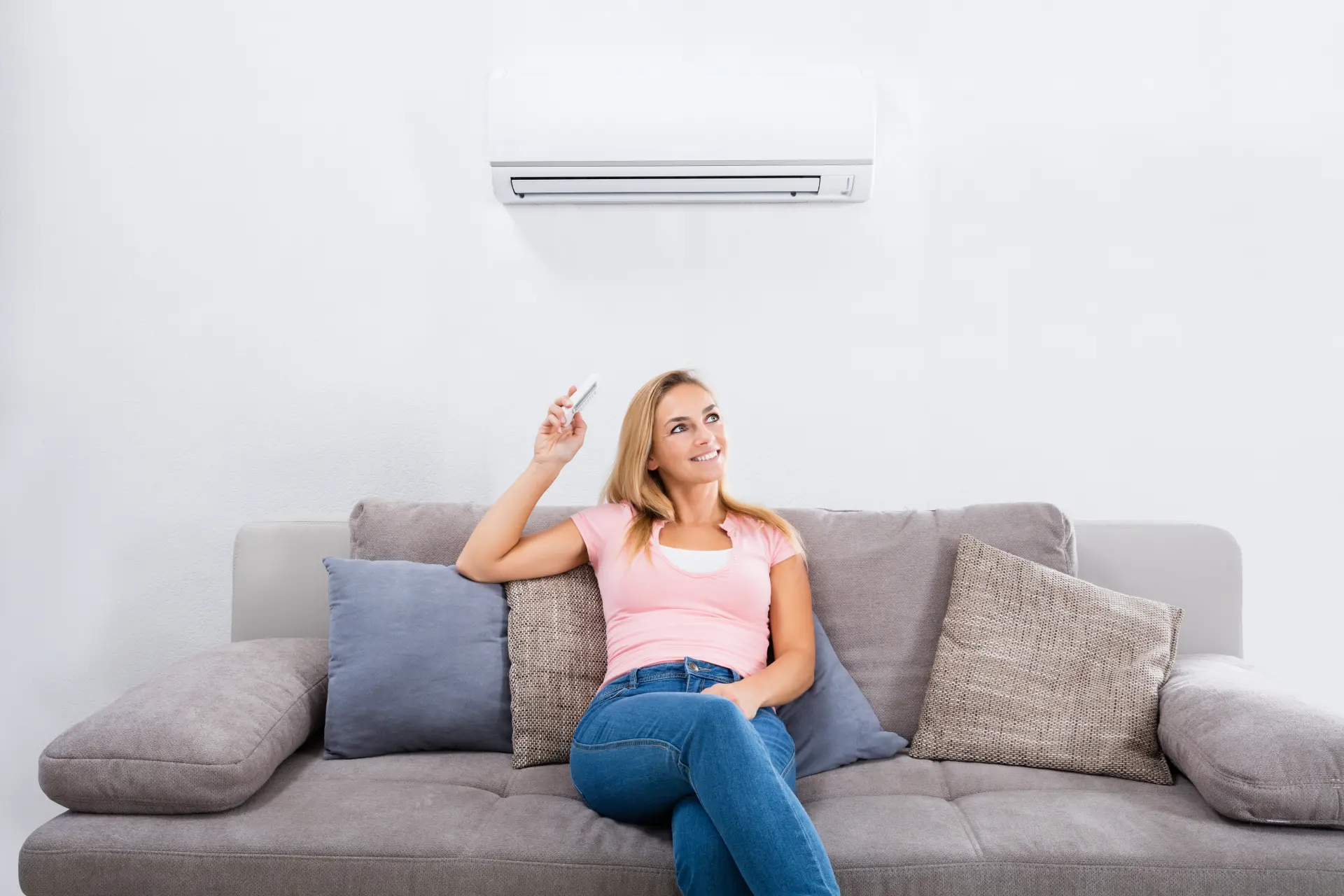
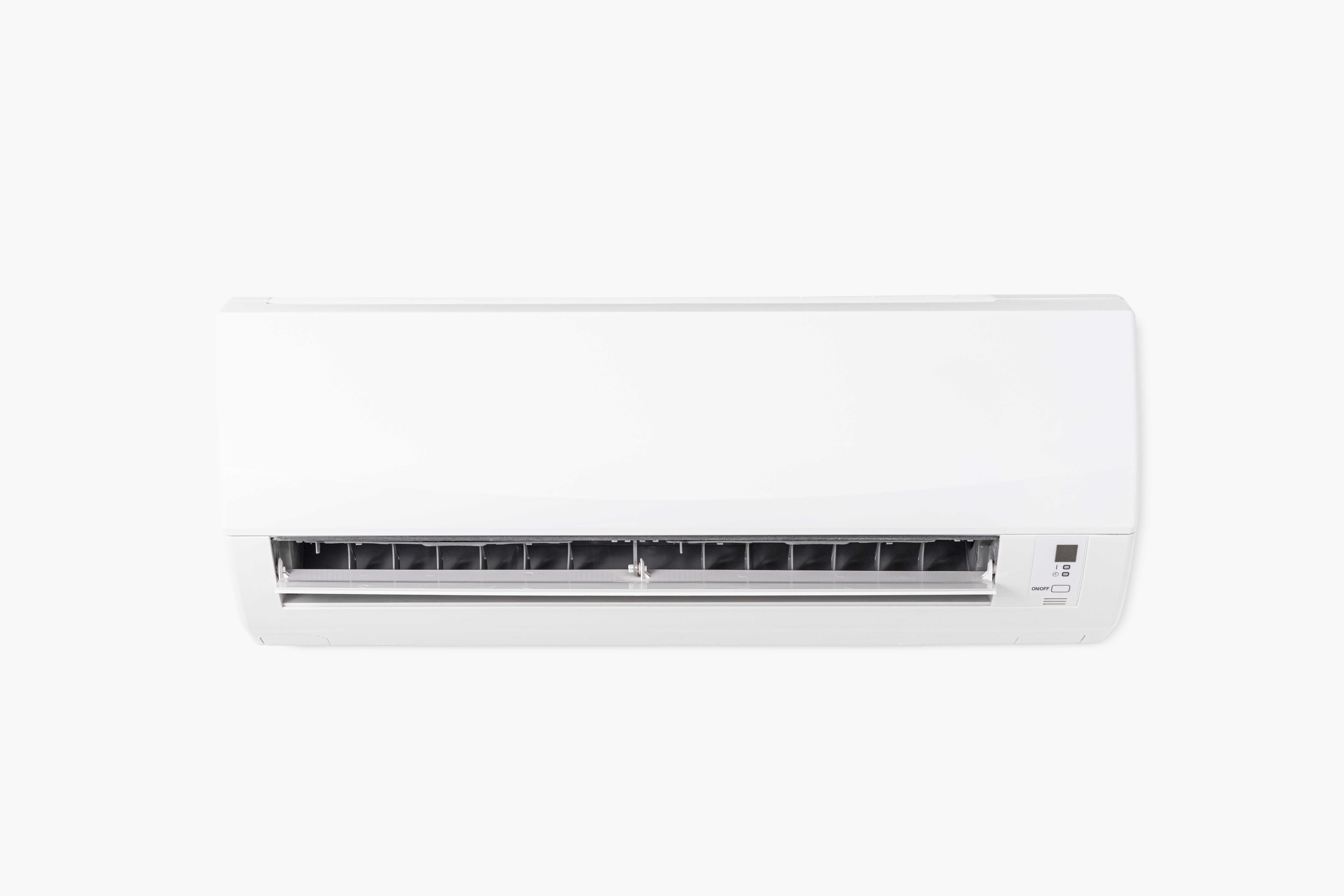
Find out how home air conditioning can help with asthma and allergies. Learn how air conditioning systems improve indoor air quality by filtering allergens, reducing humidity, and creating a more comfortable environment for people with asthma, allergy sufferers, and anyone with respiratory sensitivities.
Air Conditioning With Clean Filters Can Help Reduce Asthma And Allergies
Air conditioning can be very helpful for asthma and allergies when the air conditioning system is clean, correctly used, and properly maintained. During hot weather, many symptoms linked to asthma and allergies can become worse because heat, humidity, pollen, dust, and mould can all increase indoors. A good air conditioning system can help by cooling the air, reducing humidity, and improving air quality in the home.
Air conditioning is not a cure for asthma or allergies, but it can make a real difference to comfort, sleep, and breathing. For people with asthma, controlled cooling and cleaner indoor air can help reduce exposure to asthma triggers. Common asthma triggers include pollen, dust mites, pet dander, mould spores, animal dander, and airborne allergens. When these triggers build up indoors, they can irritate the airways and may trigger asthma symptoms.
One of the key benefits of air conditioning is that it can help improve air quality by filtering allergens from indoor air. Clean filters can trap dust, pollen, allergen particles, and some airborne triggers before they spread through rooms. This is especially useful during high pollen seasons, when opening windows can let outdoor allergens and outdoor air into the house. Keeping windows and doors closed while air conditioning is running can help stop pollen and other outdoor allergens from entering the home.
Keeping windows closed is especially helpful in bedrooms, where cleaner air can support better sleep. For people with asthma and allergies, reducing allergens indoors can make breathing easier and create a healthier indoor environment
The condition of the filters is crucial. Dirty filters can circulate dust, mould, bacteria, pollen, and other irritants. This can worsen asthma symptoms, increase allergy symptoms, and make air quality worse. Clean filters help keep the air clean, while high quality filters and high efficiency filters can be more effective at removing small particles from the air.
How Do AC Units Filter Out Allergens And Bacteria In Your Home?
Air conditioning systems can filter the air as it moves through the unit. The filters are designed to catch particles such as dust, pollen, pet dander, mould spores, bacteria, and other common indoor allergens. This process can help improve indoor air quality and reduce the amount of allergens indoors.
Air conditioners help by pulling warm indoor air into the system, cooling it, and sending cool air back into the room. As the air moves through the filters, many particles are trapped. This makes air conditioning useful for reducing allergens, especially in homes where people have hay fever, asthma, allergies, or other respiratory issues.
Not all air conditioners are created equal. Some basic systems have simple filters that mainly protect the air conditioning system from dust. Other modern air conditioning systems can use high quality filters, hepa filters, or high efficiency particulate air filtration. Hepa filters can capture very small particles, which can be beneficial for allergy and asthma control. A high efficiency filter can also help remove airborne allergens and improve air quality indoors.
Air purifiers can also be useful alongside air conditioning. In some homes, air purifiers with hepa filters may provide extra support in bedrooms, living rooms, or any area where someone spends many hours. Air purifiers do not replace proper ventilation or regular maintenance, but they can help keep the air clean when used correctly.
A well designed air conditioning system can also support good air circulation. Better circulation helps stop stale indoor air from sitting in one place. However, poor ventilation or dirty vents can have the opposite effect and circulate dust around the home. This is why filters, vents, and units need to be cleaned frequently.

Why Humidity Control Matters For Asthma And Allergies
Humidity control is one of the most important ways air conditioning can help with asthma and allergies. High humidity can make a home feel sticky and uncomfortable. It can also create optimal conditions for dust mites, house dust mites, mould growth, and bacteria. Dust mites thrive in humid rooms, and mould growth can increase where there is damp, excess moisture, or hidden leaks.
Air conditioning can reduce humidity by removing moisture from the air during cooling. Some systems also have built in dehumidification, which can help keep indoor humidity more stable. Controlling humidity is crucial because both very humid air and very dry air can cause problems for people with asthma and allergies.
The ideal humidity level for many homes is often around 40% to 50%. This can help reduce humidity enough to limit dust mites and mould, while avoiding air that is too dry. Optimal indoor humidity levels can make a home more comfortable and may reduce the risk of asthma symptoms and allergy symptoms. If humidity levels are too high, mould spores, damp patches, and dust mites can increase. If humidity levels are too low, dry air can irritate the throat, nose, skin, and airways.
In a damp climate, a dehumidifier may also help, especially in rooms such as the bathroom, kitchen, or bedrooms. A humidifier may be needed in some homes if the air becomes too dry, but it must be cleaned well because standing water can become breeding grounds for bacteria and mould. The aim is maintaining balanced indoor humidity rather than creating a damp or dry environment.
How Air Conditioning Can Reduce Common Asthma Triggers Indoors
Air conditioning can help manage common asthma triggers by reducing exposure to pollen, dust, mould, pet dander, and airborne allergens. People with asthma are often sensitive to several triggers at once. These triggers may include outdoor allergens like pollen, indoor air pollution, cleaning products, volatile organic compounds, dust mites, mould spores, pets, smoke, and chemicals.
When an air conditioning system is fitted with clean filters, it can significantly reduce exposure to some of these airborne triggers. This can help reduce the chance that allergens will trigger asthma or trigger asthma symptoms. It can also help asthma sufferers who find that hot, humid air makes breathing difficulties worse.
For homes with pets, air conditioning can help manage pet dander, fur, and animal dander. Pets can carry pollen and dust on their fur, especially after being outdoors. Regular vacuum cleaning, washing bedding, keeping pets out of bedrooms, and using air conditioning with good filters can help reduce allergens indoors. Dust is another key issue.
Dust mites live in bedding, carpet, rugs, soft furniture, and fabric. Vacuum cleaning floors and carpet regularly, washing bedding each week, and reducing clutter can help. Air conditioning can support these practices by filtering dust particles from indoor air and reducing humidity, which makes the home less friendly for dust mites.
Mould is also important. Mould growth can happen where moisture builds up, such as around windows, bathrooms, kitchens, vents, or areas with leaks. Air conditioning can reduce moisture and help prevent mould growth, but it cannot fix leaks or remove existing mould. Any mould should be cleaned safely, and the source of damp should be repaired.
The Benefits Of Modern Air Conditioning Systems
Modern air conditioning systems can provide more than cooling. Many systems are designed to control temperature, manage humidity, improve air quality, and create a more comfortable environment indoors. For allergy and asthma care, this controlled indoor environment can be a game changer.
Modern air conditioning systems can include advanced filters, smart controls, and better humidity control. Some systems are equipped with sensors that monitor temperature and humidity levels. This helps with maintaining a stable environment and avoiding sudden temperature changes. A sudden temperature change, or a move from hot outdoor air into very cold air, can irritate the airways for some individuals.
The right system can also help avoid overcooling. Cold air may worsen symptoms for some people with asthma, especially if the air is very dry. Air conditioning should be set to a comfortable temperature rather than the coldest setting. This helps reduce stress on the respiratory system and supports better respiratory health.
Air conditioning systems may also help during hay fever season. High pollen levels can make symptoms worse when windows are open. Using the recirculate setting, keeping windows closed, and keeping doors closed can help limit pollen indoors. This is one of the ways air conditioners help people who are allergic to pollen and other outdoor allergens.
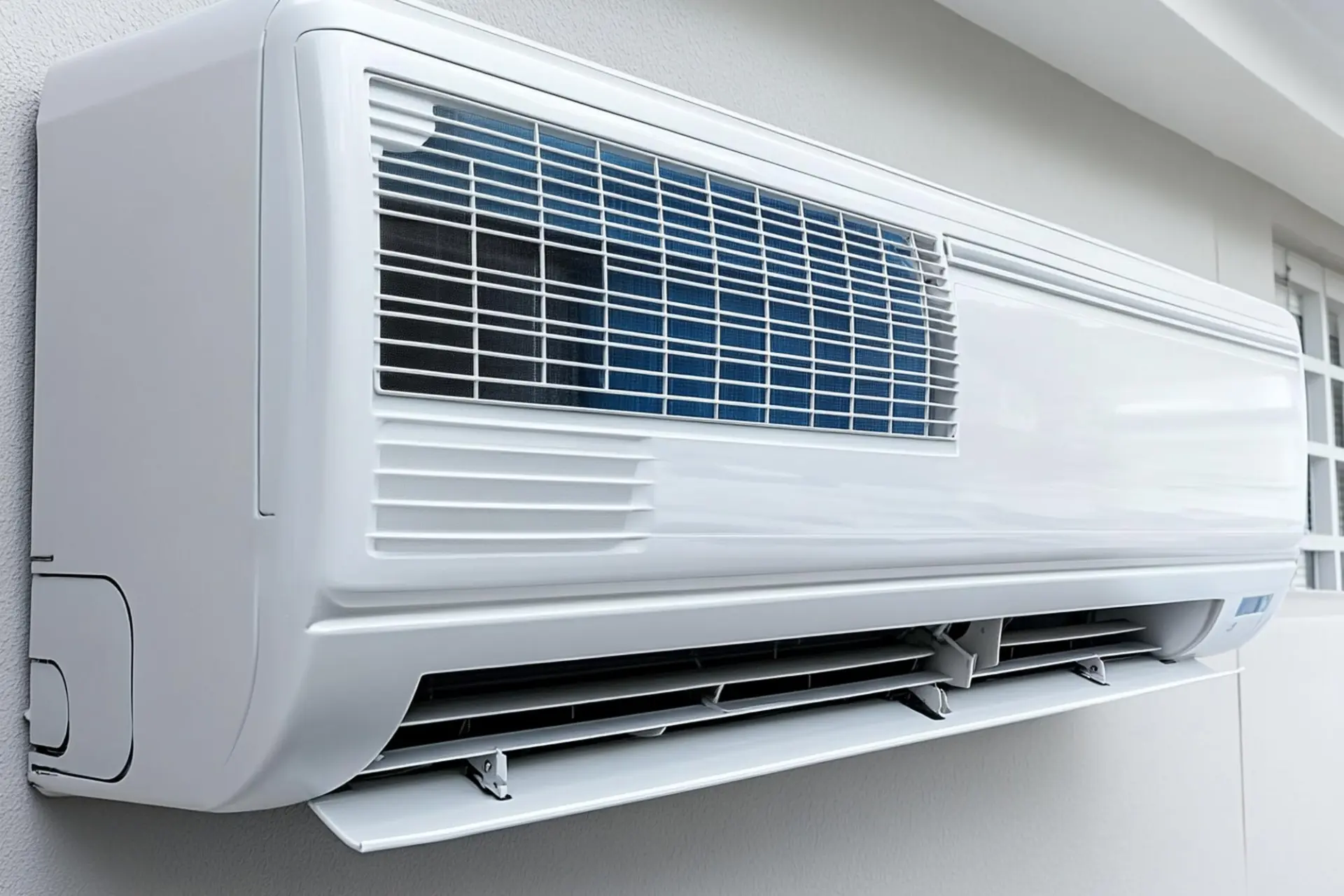
Can Overusing AC Units Make Allergies And Asthma Worse?
Air conditioning can be beneficial, but there are potential risks if it is used too much or not maintained correctly. Overusing air conditioning can create very dry indoor air. Dry air can irritate the nose, throat, skin, and airways. For some people with asthma, this can worsen asthma symptoms or even increase the risk of an asthma attack.
Another risk is poor maintenance. Dirty filters, dirty vents, and dust inside the air conditioning system can send allergens back into the room. This can worsen allergies, increase breathing issues, and reduce air quality. If an air conditioning system is not properly maintained, it may circulate dust, mould spores, bacteria, and irritants through the home.
Humidity levels also need attention. High humidity can lead to mould growth and dust mites, while very low humidity can dry and irritate the airways. Controlling humidity is essential for asthma control and allergy and asthma comfort. Lower humidity can help limit dust mites and mould, but it should not make the air too dry.
Air conditioning should also not replace fresh air completely. Proper ventilation is still important. In some cases, opening windows for a short time when pollen is low can bring in fresh air. However, during high pollen seasons or near sources of outdoor air pollution, opening windows may increase allergens indoors. The best approach will vary based on the home, the weather, and the person’s symptoms.
Indoor Air Quality And The Role Of Filters
Indoor air quality matters because people spend a lot of time indoors. Poor indoor air quality can affect respiratory health, sleep, comfort, and general well being. Air conditioning can improve air quality when the air conditioning system uses clean filters and has proper maintenance.
Filters are one of the most important parts of any air conditioning system. They help remove dust, pollen, mould spores, pet dander, animal dander, and other particles from the air. High quality filters can improve air quality more effectively than basic filters. Hepa filters and high efficiency filters may be useful for people with asthma, allergy sufferers, and those with respiratory issues.
Filters should be checked often and replaced as recommended. Some filters need cleaning every few weeks, while others need replacing every few months. This will depend on the type of system, how often it is used, whether pets live in the home, and how much dust is present. A clean filter helps the air conditioning system run correctly and keeps air clean.
Annual professional maintenance is also important. A trained engineer can check the ac unit, clean internal parts, inspect vents, check operation, and ensure the system is working safely. Regular maintenance can improve performance, reduce the risk of problems, and help prevent allergens building up inside the system.
Air Conditioning, Pollen And Hay Fever
Pollen is one of the most common triggers for allergies and hay fever. For people with asthma, pollen can also trigger asthma symptoms. During high pollen seasons in the UK, keeping pollen outdoors can make a big difference indoors.
Air conditioning can help because it lets you cool the home without opening windows for long periods. Keeping windows and doors closed during peak pollen times can reduce pollen entering the home. This can help reduce allergy symptoms such as sneezing, itchy eyes, runny nose, and breathing discomfort.
Air conditioners help most when they are used with clean filters. If filters are old or dirty, pollen and dust may still circulate. For better air quality, filters should be cleaned or replaced regularly. It can also help to vacuum floors, wash bedding, clean surfaces, and shower after being outdoors during high pollen seasons.
Allergens like pollen can enter the home on clothing, pets, hair, shoes, and open doors. Simple practices such as removing shoes, brushing pets, cleaning floors, and reducing outdoor air entering the home can support the benefits of air conditioning. Like pollen, dust and mould can also collect indoors, so a full approach works best.
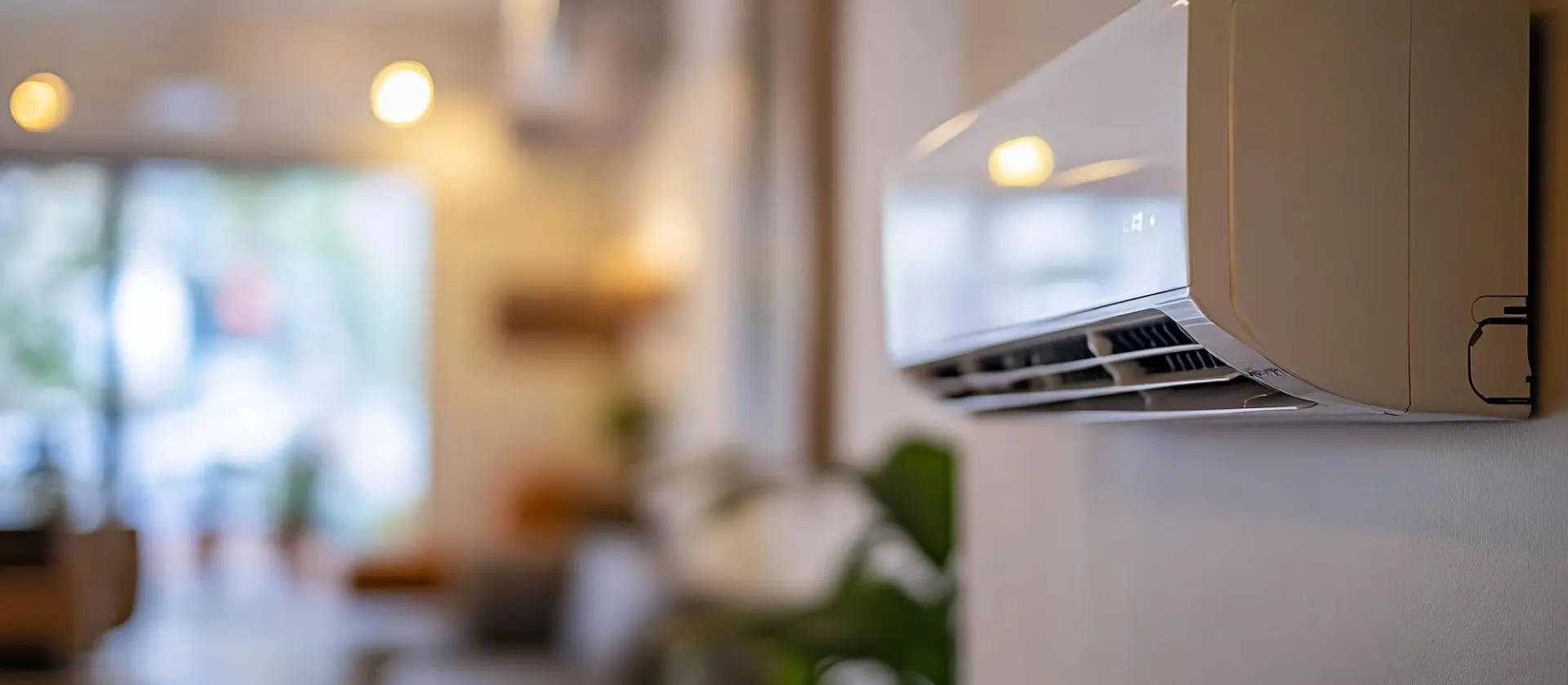
Air Conditioning And Mould Prevention
Mould can be a major concern for allergy and asthma symptoms. Mould spores can irritate the lungs, nose, throat, and skin. For people with asthma, mould can be one of the common asthma triggers and may worsen asthma symptoms.
Air conditioning can help with preventing mould growth by reducing humidity and removing excess moisture from indoor air. When humidity is controlled, mould is less likely to grow on walls, ceilings, windows, and soft furnishings. However, air conditioning cannot remove mould that is already present. Existing mould needs to be cleaned, and damp sources such as leaks must be fixed.
Bathrooms, kitchens, bedrooms, and rooms with poor ventilation are common areas for damp and mould. Proper ventilation, cleaning, and controlling humidity can all help. Air conditioning may be part of the solution, especially when used with a dehumidifier in very damp homes.
If mould keeps returning, it may be a sign of a deeper moisture problem. Check for leaks, blocked vents, poor ventilation, and damp areas around windows. Maintaining the property as well as the air conditioning system is essential for a healthier indoor environment.
Choosing The Right Air Conditioning System For Asthma And Allergies
Choosing the right system is important. Some air conditioners are better at filtering allergens than others. A system designed with allergy and asthma needs in mind can provide better comfort and cleaner air. Look for systems that support high quality filters, humidity control, and stable temperature control.
For some homes, a wall mounted air conditioning system may be enough. Larger homes may need multiple units or a more complete air conditioning system. Bedrooms are often the most important rooms to consider because sleep can be affected by asthma, allergies, hot rooms, and poor air quality.
When selecting a system, ask about filters, maintenance needs, noise, energy use, humidity control, and whether the unit can reduce humidity effectively. Some products may be described as allergy friendly, while some filters or systems may be certified asthma and allergy friendly. Certified asthma friendly or certified asthma and allergy friendly products may be useful, but they should still be maintained properly.
It is also important to understand the size of the room. An air conditioning system that is too small may not cool the area properly. A system that is too large may cool too quickly without reducing humidity well. The right system should provide cooling, reduce humidity, and support better indoor air quality without making the air too dry.
Safe Use And Good Daily Practices
Air conditioning works best when it is part of wider healthy home practices. Regular cleaning, vacuum use, washing bedding, reducing dust, and keeping pets clean can all help reduce allergens indoors. These practices are especially helpful for people with asthma and allergies.
Keep filters clean and replace them when needed. Clean vents and make sure furniture does not block air circulation. Avoid setting the temperature too low, especially at night, because cold air can irritate the airways. A steady, comfortable temperature is usually better than sharp changes.
Avoid strong cleaning products where possible, as chemicals and scents can irritate sensitive airways. Choose gentler products, keep the room ventilated during cleaning, and avoid spraying products near the air conditioning unit. The environmental protection agency notes that indoor air can contain pollutants from many sources, so reducing sources of indoor pollution is important as well as filtering the air.
It is also wise to monitor symptoms. If asthma symptoms, allergy symptoms, breathing difficulties, or respiratory irritation increase when air conditioning is used, the system may need cleaning, servicing, or better filters. In some cases, medical advice may be needed, especially if symptoms are severe or changing.

Potential Risks To Be Aware Of
There are potential risks with air conditioning if it is not used well. A poorly maintained system can spread dust, bacteria, mould, and allergens. Dirty filters can reduce air quality and increase exposure to irritants. Air conditioning that makes the air too cold or too dry can also worsen symptoms for some individuals.
Poor ventilation can lead to stale indoor air. While air conditioning can recirculate indoor air, homes still need proper ventilation at the right times. During periods of low pollen and low pollution, short periods of fresh air may help. During high pollen seasons, keeping windows closed may be better for people with allergies and asthma.
Another potential risk is relying only on air conditioning while ignoring other sources of allergens. Carpet, rugs, bedding, pets, damp walls, cleaning products, and poor cleaning routines can all affect air quality. Air conditioning can help, but it works best alongside regular maintenance, clean rooms, and controlled humidity.
Clean Air, Balanced Humidity And Moderation Are Key
Using an air conditioning system can help reduce symptoms of allergies and asthma when it is clean, well chosen, and used in moderation. The main aim is cleaner air, balanced humidity, and a stable indoor environment. These factors can support better breathing, improved comfort, and better well being.
Air conditioning can help reduce allergens, improve air quality, and create a more comfortable environment during hot weather. It can also support allergy and asthma care by reducing pollen, dust mites, pet dander, mould spores, and other airborne allergens. For many homes, air conditioning is most effective when combined with air purifiers, regular cleaning, proper ventilation, and good maintenance.
For people with asthma, air conditioning should be used thoughtfully. Avoid very cold air, avoid sudden temperature changes, keep humidity controlled, and ensure filters are clean. These simple steps can reduce triggers, help manage symptoms, and support better respiratory health indoors.
Air conditioners help most when they are properly maintained and matched to the needs of the home. With the right system, clean filters, controlled humidity levels, and sensible daily use, air conditioning can help create a healthier indoor environment for people with asthma, allergies, hay fever, and other respiratory sensitivities.
If you're looking for advice on domestic air conditioning installation or need assistance with your current system, our team is here to support you. Contact us today to discuss your options and find the best solution for keeping your home comfortable all year round.