Choosing the right air conditioning system for an office is essential for maintaining a comfortable and productive workspace. Effective cooling improves employee well-being, supports energy efficiency and helps create a balanced indoor climate throughout the year. It also protects office equipment from excess heat and humidity. This guide explores key considerations for office air conditioning in modern offices and other workplace buildings.
Understanding Your Office’s Cooling Needs
When thinking about air conditioning for your office, the first step is to understand the unique cooling needs of the space. Offices can differ in size, layout, number of people and the amount of equipment in use. All these factors affect the type and size of the air conditioning system required.
Start by reviewing the office’s floor area and the amount of heat produced by daily working activities. Computers, printers, servers, lighting and even hot water boilers add heat to rooms. High-density areas with many workers and lots of equipment will require more cooling than quiet areas with fewer people and less kit.
Ventilation is just as important as cooling. Fresh air helps remove stale office air, smells and indoor pollutants. Good airflow also supports better air quality and helps maintain safe humidity levels. In many buildings, a mix of mechanical ventilation and natural airflow through windows is used, and your chosen air conditioning system should work well with this.
Think about how different areas of the workplace are used across the day. Meeting rooms and staff rooms may be busy at some times and empty at others. Reception areas may need to stay cool for both employees and visiting customers. Understanding how rooms are used will help you find a system that can handle changes in heat and occupancy without wasting energy.
Choosing the Right Type of Air Conditioning System
Selecting the right type of air conditioning system for your office is essential to ensuring reliable comfort and energy efficiency. There are several systems to explore, each with its own benefits and limits.
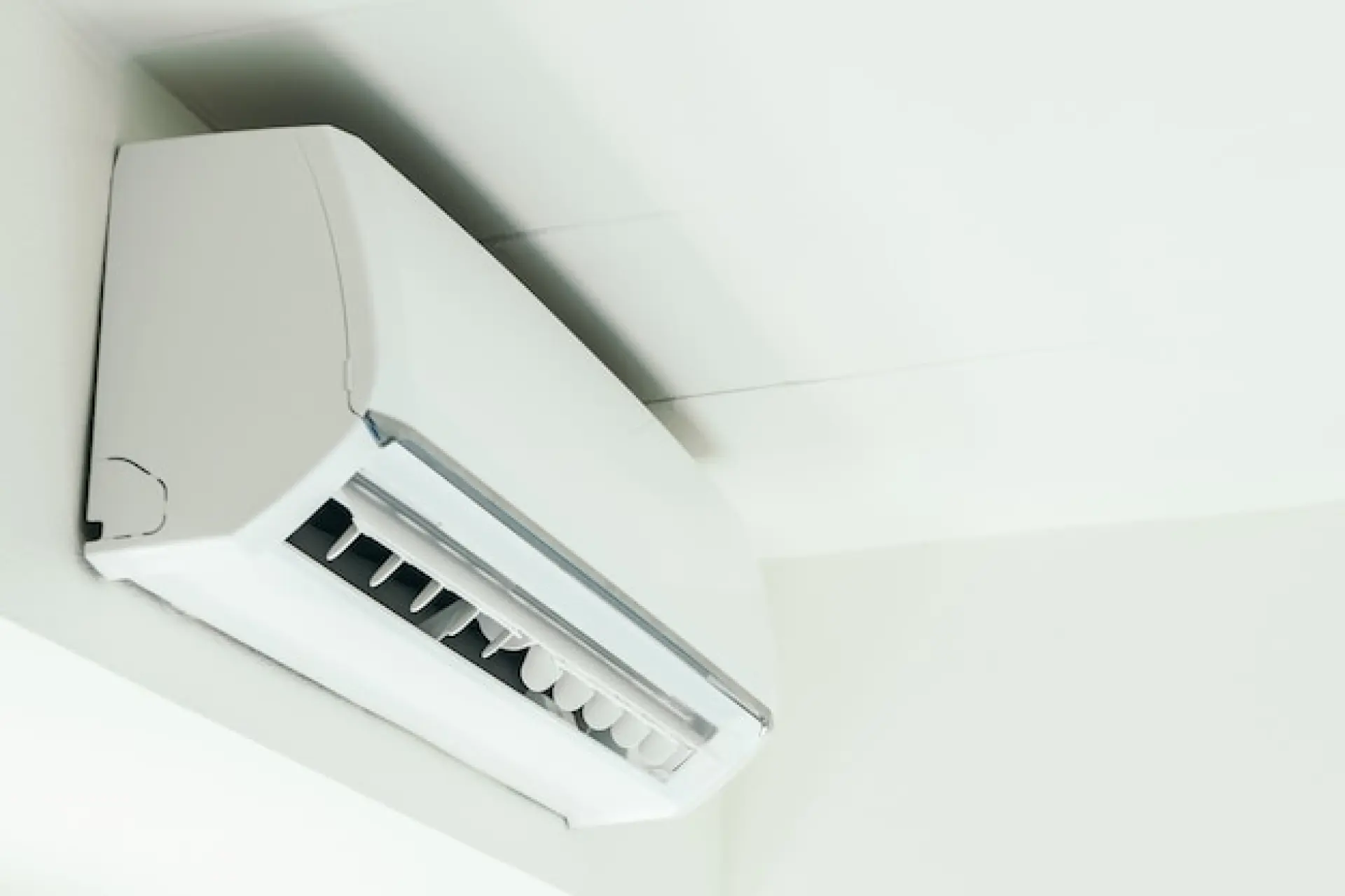
The most common types are central air conditioning, ductless mini-split systems and portable or window air conditioning units. Central air conditioning is often used in larger offices with an open plan layout. It provides consistent cooling across multiple rooms via ducts and a central air conditioning unit, making climate control easier to manage for the whole building. However, it requires suitable ductwork inside walls and ceilings and is usually more expensive to install.
Ductless mini-split air conditioning systems are a good choice for smaller or more segmented offices. They allow individual temperature control in different rooms or zones. This flexibility can improve comfort for staff and occupants and can reduce energy consumption because you only cool the areas that require it.
Portable and window air conditioning units may suit very small offices or temporary working environments. They are simpler to install but are often less energy efficient and may not provide even temperature control across the workplace.
When choosing a system, think about the type of building, the number of rooms, available space for pipework and ducts, and access for future maintenance. An experienced team of engineers can provide advice, guide you through the options and help you find the most appropriate air conditioner for your needs.
Health, Comfort and Indoor Air Quality
The health and comfort of employees are crucial factors when selecting an office air conditioning system. A well-controlled working environment can support productivity, focus and morale. Poor temperature control, on the other hand, can quickly lead to discomfort and complaints.
Excessive heat can cause fatigue, headaches, dehydration and a higher risk of heat-related illness. Very cold office air can lead to shivering, joint pain and reduced concentration. The ideal working temperature usually sits between 20°C and 22°C, but preferences vary from person to person. A system that allows some flexibility between different areas of the office can help balance these needs.
Indoor air quality is another key issue. Air conditioning systems should work with ventilation to reduce dust, pollen and other airborne particles. Filters inside the system help remove pollutants and can also support workers who suffer from allergies. Good indoor air quality can reduce sickness, prevent certain respiratory problems and help keep staff comfortable throughout the day.
Humidity levels also matter. Air that is too dry can cause dry eyes and skin, while very humid conditions feel heavy and can lead to mould growth on walls, ceilings and around windows. Many modern air conditioning units offer basic humidity control, which can improve comfort and protect the building fabric.
Energy Efficiency, Running Costs and the Environment

Energy efficiency is one of the most important considerations for any organisation looking at new air conditioning systems. An energy efficient air conditioning unit can help reduce energy bills and lower the environmental impact of the building. When systems are sized and installed correctly, they use less electricity and avoid unnecessary energy consumption.
Look for units with high efficiency ratings and modern controls. In many cases, investing a little more at the start in a better system can provide long-term benefits through reduced running costs. Efficient systems also tend to place less strain on components, which can extend their lifespan and reduce the number of breakdowns.
Simple steps can improve energy efficiency. Keeping doors and windows closed while the system is running helps prevent cool air escaping. Using blinds or films on windows can reduce heat from direct sun. Regularly cleaning filters and reviewing thermostat settings can also make a noticeable difference over time.
It is important to remember that heating and cooling are often linked. If you use the same system for both heating and cooling, good control and planning will help you avoid a situation where heating and cooling fight each other in different areas of the workplace.
Controls, Zoning and Temperature Management
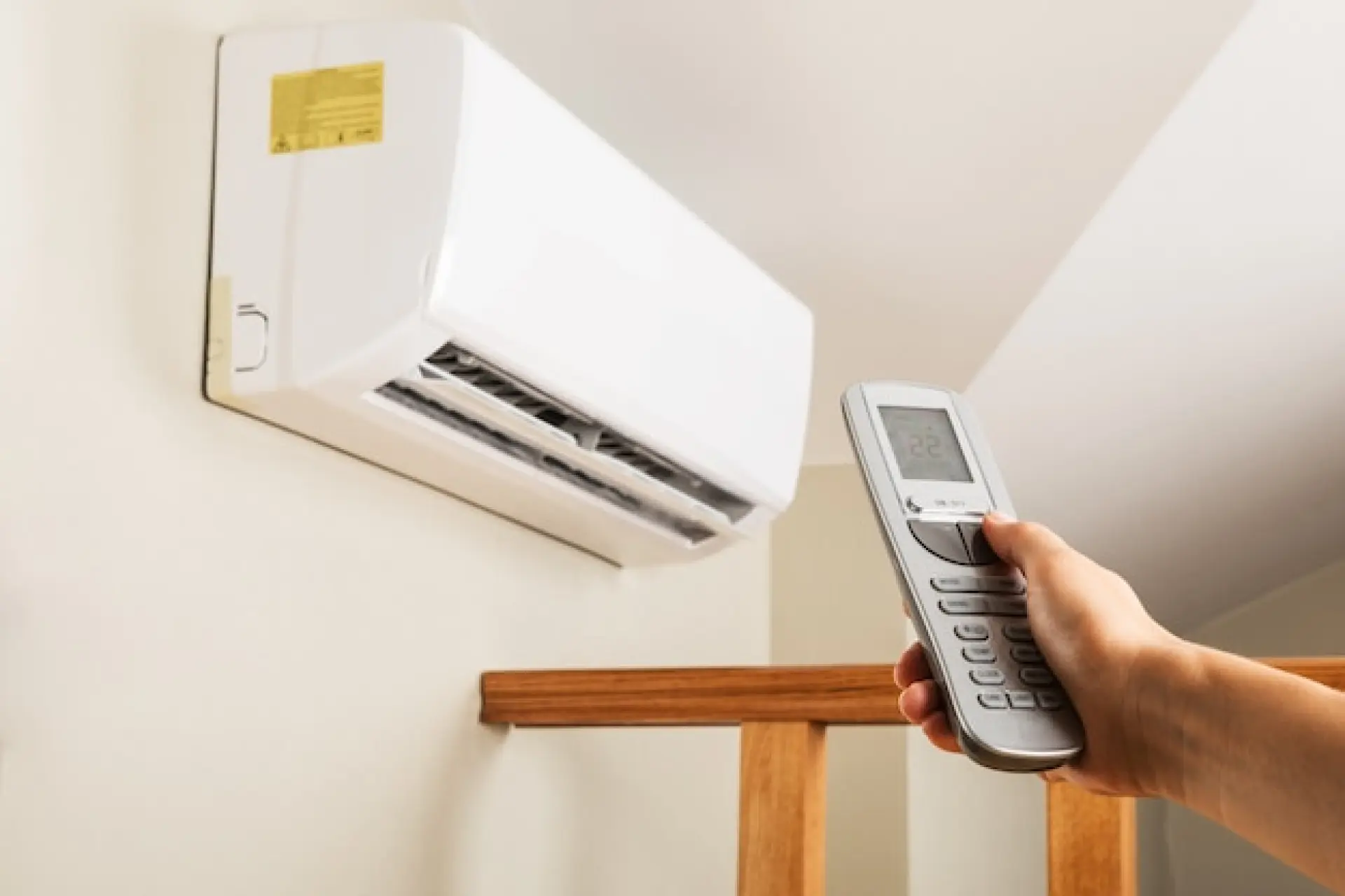
Modern air conditioning systems often include smart controls and zoning features that make it easier to manage comfort. Zoning allows you to divide the office into separate areas with their own temperature control. This means meeting rooms, open plan spaces and private offices can each be set to different temperatures if required.
Good climate control reduces arguments over settings and can help prevent parts of the office feeling too hot or too cold. Programmable timers and smart thermostats allow you to set schedules so the system only runs when people are working. This saves energy and helps maintain comfort at the right times of day.
Clear rules and simple guidance for staff can help as well. For example, you can provide information on how to handle local controls, when to report a problem and how to avoid blocking vents. When employees understand how the system works, they are more likely to help keep it running smoothly.
Installation, Building Design and Layout
Proper installation is key to the efficiency and reliability of any air conditioning system. A poorly installed system can lead to frequent faults, higher energy costs and uneven temperatures.
For central systems, duct design and vent placement are critical. Poorly planned ducts can leak air into ceilings or voids, meaning rooms do not receive the cooling they require. Vents should be placed to distribute air across whole rooms and not blow directly on workers’ faces or desks, which can cause draughts and discomfort.
The layout of the building and the position of walls, windows and heat-producing equipment also affect performance. South-facing windows, server rooms and densely packed work areas can all generate higher temperatures. Your installer should review these factors and design the system so that cool air reaches these more challenging areas.
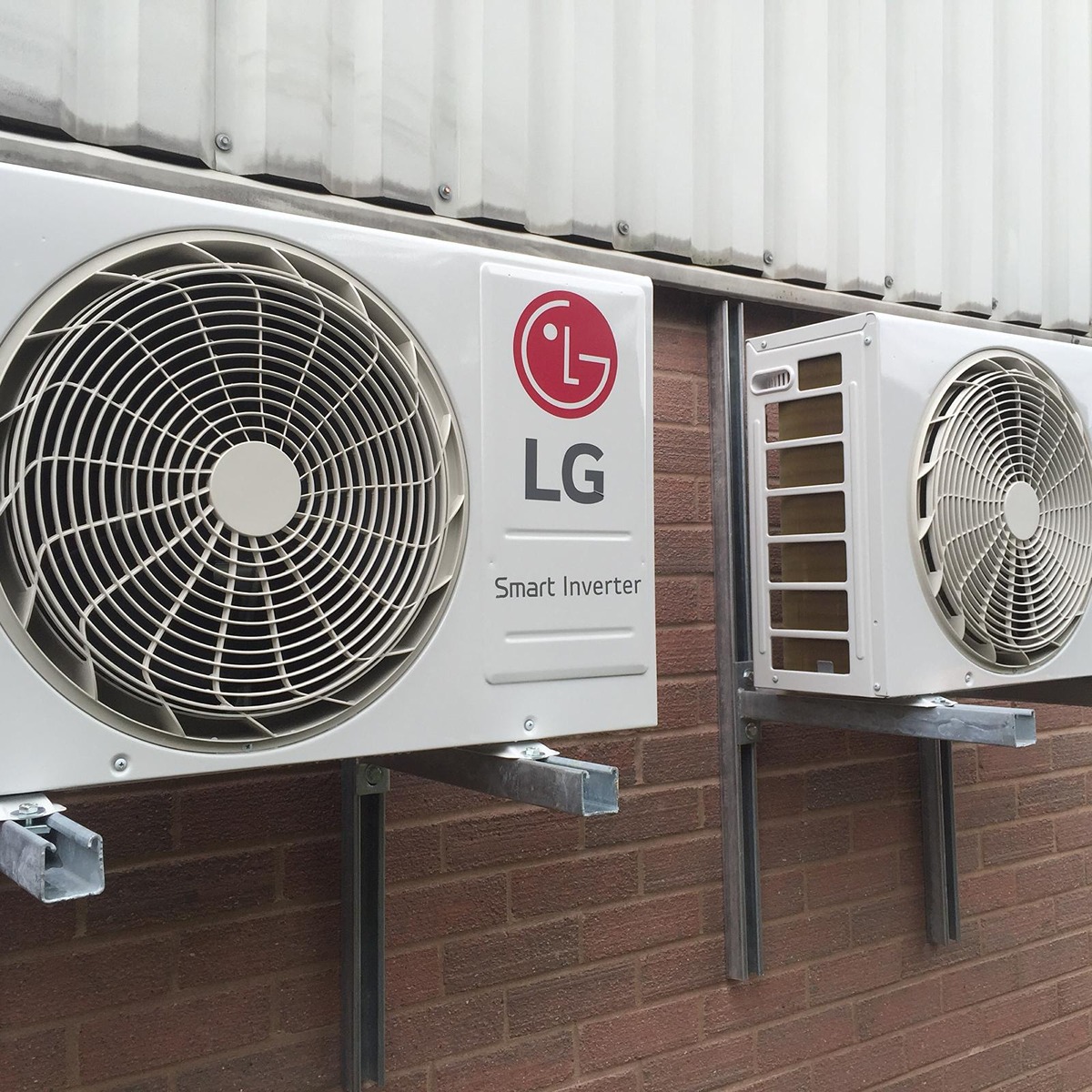
For ductless systems, the indoor units should be mounted in locations that allow free airflow and easy access for maintenance. Outdoor units must have enough space around them for ventilation and should be positioned where they are protected from damage and standing water. Professional engineers will ensure that installation meets local building rules and any required standards for safety.
Maintenance, Repairs and System Lifespan
Regular maintenance is vital to keeping office air conditioning in good condition. Over time, dust and dirt build up on filters and coils, which makes the system work harder. This can reduce efficiency, increase energy consumption and lead to higher energy bills.
Planned maintenance visits give engineers the chance to clean filters, check electrical connections, test controls and review refrigerant levels. They can also spot small issues before they lead to bigger problems or full system failure. This helps prevent disruption to work and avoids the risk of parts of the building becoming too hot during busy periods.
Staff should know how to recognise early warning signs of a problem, such as strange noises, smells, water leaks or uneven temperatures. Reporting these issues quickly can limit damage and keep the working environment safe and comfortable for everyone.
Legal, Health and Safety Considerations
There may be certain legal and health requirements that apply to air conditioning systems, depending on the size and type of system, the refrigerant used and the kind of building you occupy. In some cases, inspections, testing and detailed records are required.
Employers also have a duty to provide a safe and healthy workplace. This includes taking sensible steps to prevent heat stress, supporting reasonable indoor air quality and ensuring that systems do not introduce new risks. For example, poorly maintained equipment can sometimes cause water leaks, damp patches or mould, which can affect health and damage the building.
It is wise to keep written information about your system, including service records, manuals and any risk assessments. This makes it easier to review performance over time and to show that you are taking proper care of the working environment.
Future Proofing Your Workplace
When planning new office air conditioning or upgrading existing systems, think about the future as well as the present. You may expect the number of staff to rise, new equipment to be added or working patterns to change. Designing a system with some spare capacity and flexibility can help you handle these changes without needing a full replacement.
You may also wish to explore how your air conditioning links with other building systems, such as heating, lighting and access control. Smarter buildings can use shared information to reduce waste. For example, sensors can detect when rooms are empty and turn down cooling at those times.
Choosing a system that can be updated with new controls or expanded to serve extra rooms will make it easier to adapt to new ways of working and to future changes in energy rules.
Getting Professional Advice and Next Steps
Every office is different, and there is no single solution that suits all buildings, staff groups and customers. Talking to experienced air conditioning engineers will help you understand what system is required, what level of temperature control is realistic and how to keep your system efficient over time.
A professional survey will provide clear information on room sizes, existing ventilation, heat loads, windows and other important factors. From this, you can compare different types of air conditioning units, look at likely running costs and consider how long each option should last.
If you would like tailored advice on office air conditioning, indoor air quality and energy efficiency for your workplace, please contact us to arrange an assessment with Richmond Air Conditioning Limited.
If you're looking for advice on office air conditioning installation or need assistance with your current system, our team is here to support you. Contact us today to discuss your options and find the best solution for keeping your home comfortable all year round.