
Explore how classroom temperature and student performance are linked. Find out ways to optimise temperature for better concentration and academic success.
How Heat Affects Concentration and Focus
When classroom temperatures rise above a comfortable level, students often struggle to maintain concentration and focus. The brain works best within a moderate range, and heat can interfere with its ability to process information effectively.
As temperatures climb, students may feel drowsy, restless, or irritable, which makes it harder to stay attentive during lessons. Heat also places extra strain on the body, as energy is used to regulate internal temperature instead of supporting mental tasks such as problem solving and memory. This can slow reaction times, reduce accuracy in tests, and limit the ability to absorb new material.
In addition, warmer classrooms often lead to behavioural changes, with students becoming more distracted, fidgeting, or losing patience with longer tasks. These effects can spread across the classroom, lowering the overall learning environment.
If such conditions continue for long periods, they can reduce academic performance, as students find it increasingly difficult to focus and keep up with lessons. Younger children, whose concentration skills are still developing, are especially vulnerable to these challenges.
Health and Wellbeing in Different Temperatures
The temperature of a classroom can have quite a major effect on the health of your students and their overall well-being. When conditions are too warm, the body works harder to stay cool, which can cause tiredness, dehydration, and headaches.
Prolonged exposure to heat may also increase irritability and stress, making it harder for students to feel comfortable and ready to learn. In very hot environments, the risk of heat exhaustion becomes more likely, particularly if students are not drinking enough water.

On the other hand, classrooms that are too cold can also affect well-being. Cold or freezing conditions may cause your students plenty of discomfort, stiffness, or difficulty concentrating as students will then focus more on keeping warm than on their lessons.
Long-term exposure to low temperatures can weaken their immune system, and this leads to a much higher chance of colds and other illnesses.
It's always wise to maintain a good, balanced temperature throughout your school and classrooms, as this will support their physical health and mental well-being.
A comfortable environment allows all your students to feel alert, calm, and ready to participate in learning activities. It also reduces the unnecessary stress on the body, allowing energy to be directed towards focus, creativity, and academic progress.
Research on Temperature and Academic Performance
There is growing research in the UK showing how classroom temperature affects how well students learn. A project at the University of York is studying how hot weather affects UK schools. Early findings suggest that temperatures above 24°C can slow reaction times, reduce processing speed, and lower accuracy in students’ schoolwork.
Another UK study looked at university students in Coventry and Edinburgh. It found that students worked best at about 23°C in lecture rooms under normal conditions. In studios and PC labs, students had more control over their environments and were better able to adapt to the heat. This research shows that different classroom types might need different temperature settings to help students learn well.
A study using data from schools across England examined how extreme temperatures affect school attendance. It found that hot days increase the number of authorised absences and absences because of illness. Cold days did not have much effect unless students lived in areas with poor energy access. Increased absences can harm learning by lowering the time students spend in lessons.
The Role of Air Conditioning and Ventilation
Air conditioning and ventilation play an important part in creating a comfortable learning environment. Proper temperature control helps students stay alert and focused, while good airflow supports health and wellbeing.
When classrooms are too hot or stuffy, students can feel tired and distracted, but effective systems reduce these problems by keeping the air fresh and the temperature steady. Air conditioning can prevent classrooms from becoming uncomfortably warm during summer, which is especially important during heatwaves.
By keeping temperatures at an ideal level, it helps protect students from the effects of heat on concentration, memory, and performance.
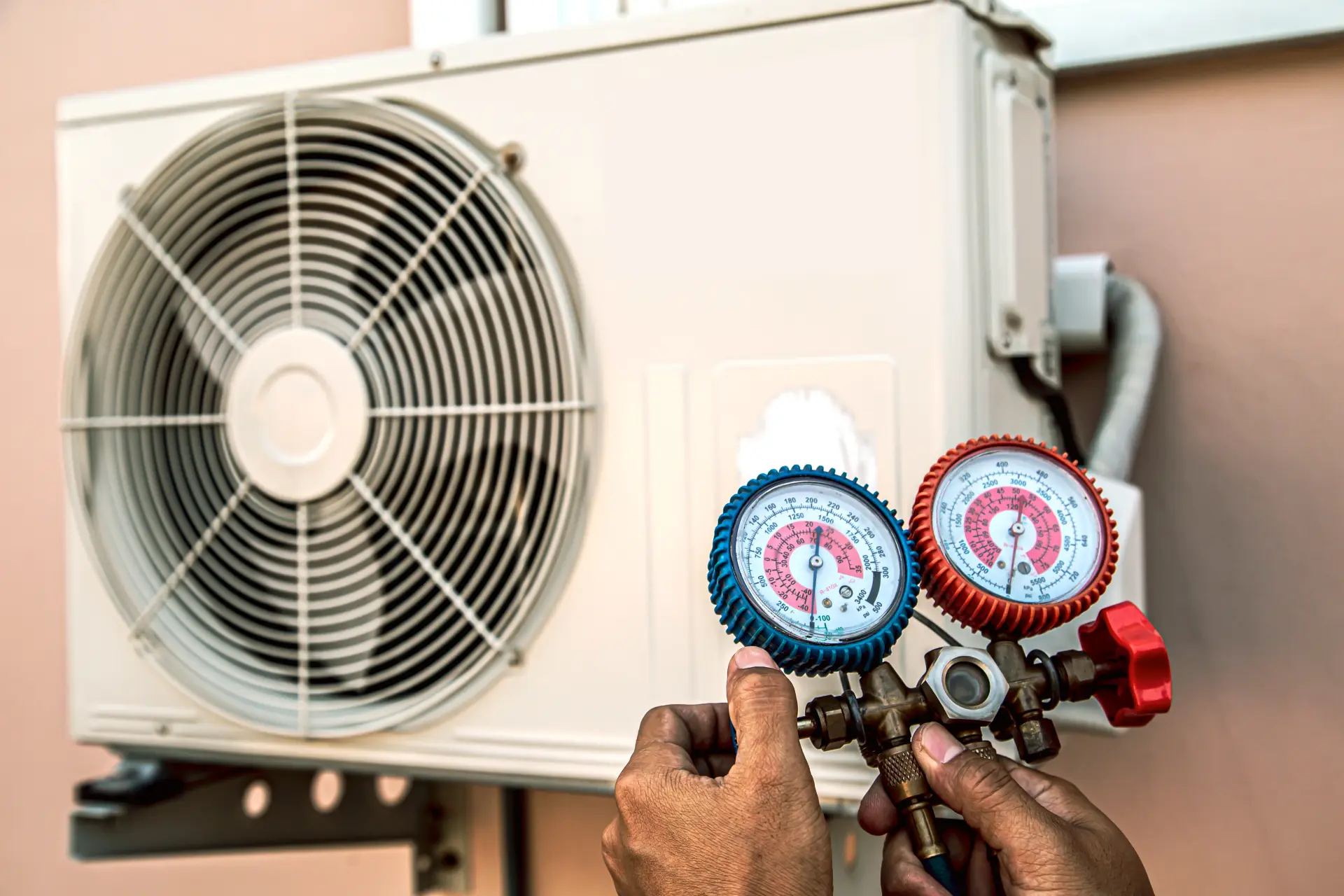
At the same time, ventilation ensures that carbon dioxide levels do not build up in the room. Fresh air circulation is linked to improved thinking skills and reduced feelings of sleepiness during lessons.
In the UK, many schools still rely on natural ventilation such as opening windows. While this can be effective, it does not always work well in noisy or polluted areas, or when outdoor temperatures are extreme.
Modern systems that combine air conditioning with mechanical ventilation can provide more reliable results, ensuring that classrooms remain comfortable throughout the year.
Overall, well-managed air conditioning and ventilation not only improve learning conditions but also support students’ health by reducing the spread of airborne illnesses and maintaining good air quality.
Balancing Comfort with Energy Efficiency
Creating a comfortable classroom is important for learning, but it must also be balanced with the need to save energy. Keeping classrooms cool in summer and warm in winter can take a lot of electricity and heating, which can be troubling as it increases costs and adds to carbon emissions. Schools face the challenge of finding ways to maintain healthy conditions without wasting energy.
One approach is to make better use of natural light and ventilation. Opening windows at the right times of day can improve the airflow and get rid of or decrease the need for mechanical cooling. Blinds and shading will enable you to carefully control the amount of heat from sunlight, while insulating walls and windows can reduce the loss of warmth in colder months. These steps lower the amount of energy needed to keep classrooms at a steady temperature.
Modern heating, ventilation, and cooling systems can also play a role. Smart controls allow many schools across the country to adjust temperatures based on the number of students in a room or the time of day, avoiding unnecessary use of energy. Some systems can even store cool air overnight or use more renewable sources, such as solar panels, to eliminate their impact on the environment.
We provide professional commercial air conditioning installation services and ensure your offices, retail spaces, and industrial buildings stay cool and fresh. We provide reliable, energy-efficient units that are tailored to your needs. We aim to create comfortable, healthy, and productive environments that meet all health and safety standards.