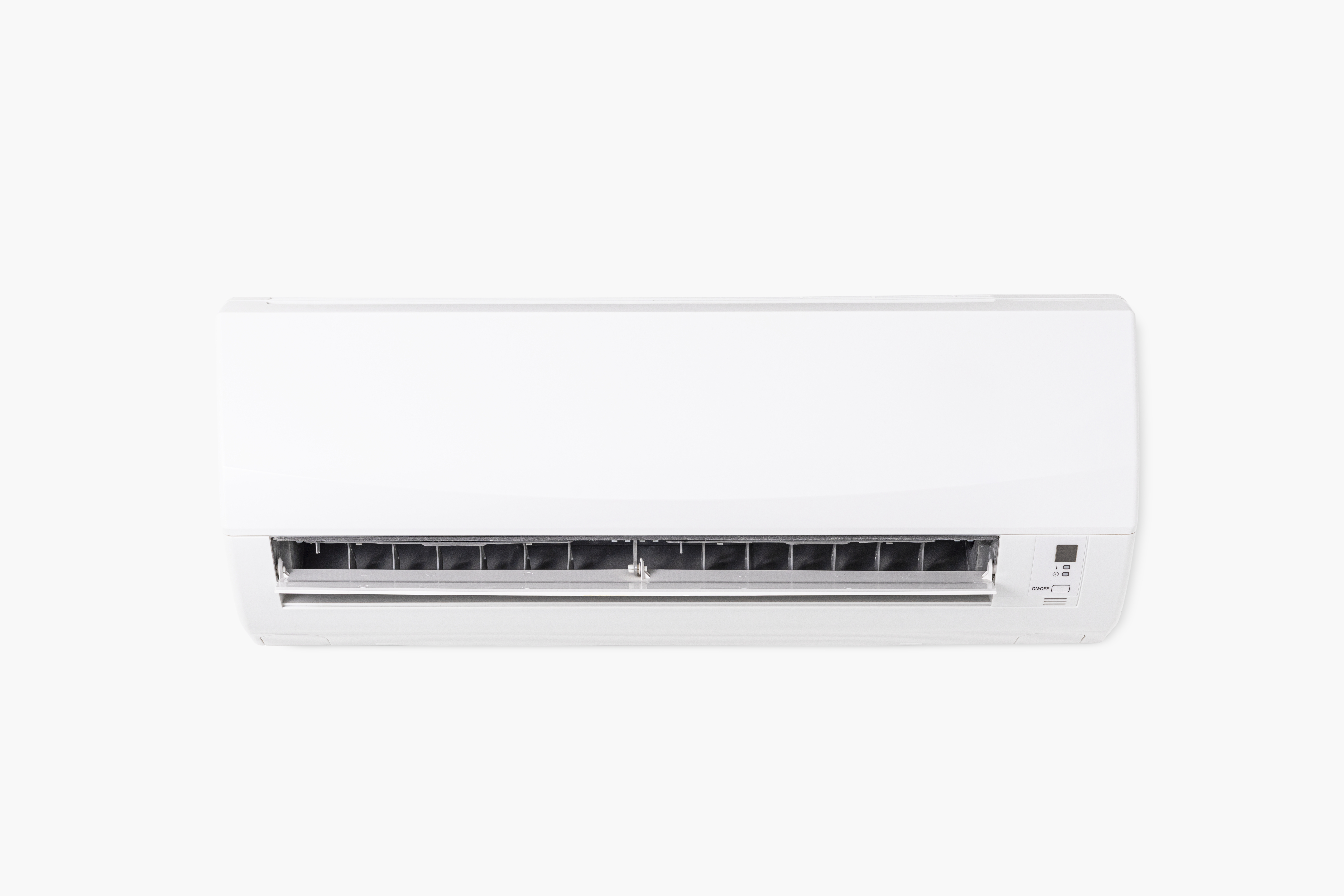
Discover if air conditioning can keep a house warm in the winter. Explore how modern systems with heat pump technology work to provide efficient heating and learn about the benefits and limitations of using air conditioning for winter warmth.
Should You Use Your Air Conditioning In Winter?
Air conditioning is often used to keep homes cool during hot summer days - however, some air conditioning units can also keep homes in the UK warm during winter.
Bear in mind that not all air conditioners are capable of providing heat. Units designed for both heating and cooling, such as those with heat pumps, are different from traditional air conditioners. Heat pumps extract heat from outside and transfer it into your home, helping to fend off the winter chill.
Air conditioning units that come with heat pumps can help regulate a home's temperature. However, many households prefer to use radiators or underfloor heating instead due to their reliability.
The effectiveness of using air conditioning for heating largely depends on electricity costs and the energy efficiency of the unit's model. Heat pumps can be efficient for heating, but the high electricity costs could impact their cost-effectiveness.
For those unsure about their unit's capabilities, consulting with professionals can help. In the end, the decision to use air conditioning for heating should be based on your individual needs, preferences, and comfort. By weighing these options, homeowners can make a better decision about the best way to heat their homes during the winter.
How Can Air Conditioning Keep Your Home Warm?
When we think of air conditioning, most people associate it with keeping our homes cool, not warm. However, these systems can also be cleverly engineered to heat your home during winter.
The main way this is achieved is through a system known as a heat pump. Heat pumps are a crucial part of some central HVAC systems, and they are responsible for heating, ventilation, and air conditioning. A heat pump transfers heat energy from outside into your home through its refrigerant circuit; it does not bring outdoor air into the room.
Unlike conventional heaters, that burn fuel, heat pumps simply move around existing heat. Air conditioning systems come with temperature control features so you can set your preferred room temperature. In the winter, this might mean cranking up the heat a bit more than you would in summer. However, this control ensures your home stays comfy and warm without the need for separate heating and cooling systems.
Air conditioning units are also great at filtration. As air circulates through the unit, the filters can catch allergens and dust - helping to improve your indoor air quality. Moreover, units with reversible functions can switch between heating and cooling modes. This flexibility is handy for adapting to sudden temperature drops and provides a convenient solution for managing your temperature all year round.
For your AC unit/HVAC system to function at its best, having a regular maintenance schedule is crucial. Scheduled maintenance helps ensure the system operates efficiently and prolongs its lifespan. Professionals can offer valuable services and advice, which can enhance your system’s performance.
In conclusion, air conditioning units or HVAC systems can serve as a convenient way to heat your home. Heat pumps move warmth into your living space, while temperature controls and filtration systems enhance your comfort and air quality.

Which Air Conditioning System Heats Your Home The Best?
When deciding on air conditioning units that both heat and cool your home, it's important to choose wisely. Units that come with heat pumps are designed for dual purposes - providing both heating and cooling. These systems can significantly cut down energy costs compared to conventional heating methods. Heat pumps function efficiently even when temperatures drop, and deliver a consistent stream of warm air.
There are many different types of heat pumps to consider. Ground-source heat pumps extract heat from the ground, while air-source heat pumps extract heat from the air outside. Both types are efficient, but the best choice depends on your home’s location and infrastructure. Experts can help you decide which unit will work best based on where you live and how your home is built.
Efficiency can vary among air conditioning units, so regular maintenance is key. When units are properly maintained they can reliably provide warmth throughout colder months. Regular check-ups help ensure that your air conditioning and HVAC system remain efficient, keeping energy consumption low and comfort levels high throughout the year. By investing in a suitable HVAC or AC unit, you can have a warm home all year round, regardless of the weather outside.
Using Air Conditioning Filters Out Bad Air While Keeping Your Home Warm
One function of air conditioning and HVAC units is keeping your home comfortable and healthy during the colder months. One of the main advantages of these systems is their ability to filter out bad air while keeping your home warm. AC and HVAC units come with air filtration systems, which capture allergens, dust and pollutants. This feature ensures that the air circulating in your home is both warm and clean.
During winter, many homeowners keep their windows shut to conserve heat. However, this can lead to a decline in air quality. AC or HVAC units can help remove pollutants from the air circulating in your home - making it healthier. To improve the performance of your AC or HVAC system, it's important to change or clean the filters regularly. This simple task is vital in keeping the unit functioning efficiently, and ensuring the air heating your home is clean.
Regular servicing and filter replacements can enhance the effectiveness of your HVAC system. By prioritising these measures, you ensure that your air conditioning unit heats your home with clean and healthy air. So, while the main function is to maintain a warm temperature, the added benefit of air filtration makes your home both comfortable and healthy.

Pros And Cons Of Using Your AC In Winter
Using an air conditioning (AC) or HVAC unit to heat your home during the winter has both pros and cons. One of the main advantages of using AC or HVAC units for heating is convenience.
Many modern homes come with heat pumps or reversible air conditioning systems - meaning you don't need a separate heating system. This can be more energy-efficient, as the units are designed to both cool down and heat up your home. This versatility is especially beneficial for homes with limited space, or for those who want to reduce their energy consumption.
Most AC units also have built-in filtration systems that remove allergens, pollutants and dust from the air circulating through your home. These filtration systems benefit homeowners by reducing the risk of allergies breaking out, or respiratory issues flaring up.
However, one major limitation is the system's effectiveness during extremely cold temperatures. While heat pumps and reversible AC units work well in moderate climates, they can struggle to provide adequate warmth in places where winters are harsh. Traditional air conditioners without heating functions won't be able to heat your home effectively.
Running an AC or HVAC unit continuously can be expensive compared to simply putting on the radiator. Therefore, it's important to evaluate your energy bills and compare them with other heating options to ensure you're getting the best value for your money.
Maintenance is another key factor. Regularly having your AC or HVAC unit serviced is vital for it to run efficiently. If these systems aren't regularly serviced or looked after, they can lose their efficiency over time, leading to expensive repairs and higher energy bills. It's essential to keep up with regular check-ups and filter replacements to keep these systems working at their best.
Ultimately, the decision to use an HVAC/AC unit to heat your home depends on the capabilities and limitations of your specific model.
Current Heat Pump Figures and Installation Costs
The government’s Energy Consumption in the UK 2026 statistics report that domestic heat pumps used 2,280 GWh of electricity in 2025, up 17% on 2024 and equivalent to about 2.4% of domestic electricity consumption. The figures cover domestic heat pumps collectively; they are not a measure of reversible air conditioning alone or a forecast for an individual household.
In guidance updated on 11 September 2026, the Energy Saving Trust gives indicative air-to-air installation costs of around £1,900 for a single room and £3,700 for a three-bedroom semi-detached home. These are general estimates, not a quotation from Richmond Air Conditioning Limited. Layout, the number of indoor units, electrical work and finishing costs can change the price. The Trust also notes that UK running-cost savings data for air-to-air systems remain limited, so savings should not be promised without assessing the property.
Check Heating Output at Low Outdoor Temperatures
A reversible air conditioner moves heat from outside into the home; it does not need warm outdoor air to start with. However, heating capacity and efficiency can change as outdoor temperatures fall. Ask an installer for the model’s rated heating output at the winter design temperature relevant to your property, rather than relying only on its cooling capacity or a headline efficiency rating.
Frost can form on the outdoor coil in cold, damp conditions. The system may briefly enter a defrost cycle, during which indoor heat delivery changes or pauses. Outdoor-unit placement, clear airflow and suitable drainage matter, especially where defrost water could freeze on a walkway. Repeated icing or unusually long interruptions should be investigated rather than treated as normal operation.
Can One Indoor Unit Heat the Whole House?
A single wall-mounted unit normally heats the room or open-plan area it serves. Warm air will not necessarily reach closed bedrooms, upstairs rooms or a hallway evenly. A room-by-room heat-loss assessment should consider insulation, draughts, window area and the layout before deciding how many indoor units are needed.
Multi-split systems can serve several rooms, but the available output must still match their combined demand. Discuss how the system will perform when every room needs heat at the same time. Most air-to-air systems do not supply domestic hot water, as the Energy Saving Trust explains, so retain or arrange a separate solution for baths, showers and hot taps.
Compare Running Costs Using Your Tariff and Seasonal Performance
For a useful comparison, estimate the cost of a unit of delivered heat rather than comparing electricity and gas prices directly. Divide the electricity price per kWh by the expected seasonal heating efficiency. For a gas boiler, divide the gas price by its expected efficiency. Include standing charges only where the choice would actually add or remove them.
As an illustration rather than a current tariff quote, electricity costing 30p per kWh with an assumed seasonal performance factor of 3 would produce a heat cost of 10p per kWh. A different tariff or lower seasonal performance changes that result. Ask for assumptions covering winter conditions, defrosting and how you use each room, then compare them with your existing heating bills.
Use Heating Controls Without Neglecting Ventilation
Select the heating mode, use a sensible set point and keep air outlets unobstructed. Clean filters according to the manufacturer’s instructions and arrange professional attention if heating output falls, unfamiliar noises develop or the system repeatedly stops. Avoid covering the outdoor unit or placing stored items against it.
Filtration and ventilation do different jobs. Most air-to-air systems recirculate indoor air rather than supplying fresh air, so they do not replace bathroom extraction or other ventilation measures. Keeping a house warm should not mean sealing off every route for moisture and stale air to escape.
If you're looking for advice on domestic air conditioning installation or need assistance with your current system, our team is here to support you. Contact us today to discuss your options and find the best solution for keeping your home comfortable all year round.