Discover examples of air conditioning systems used in commercial sectors, such as central air, VRF systems, ductless mini-splits, and rooftop units.
Air conditioning plays a vital role in commercial industries, ensuring a comfortable and productive environment for employees and customers alike. From retail spaces and office buildings to industrial facilities and hospitality venues, efficient air conditioning systems are essential for operational success.
Office Air Conditioning
Air conditioning in commercial industries is essential, particularly in office environments. Properly installed air conditioning systems help maintain an ideal temperature year-round, ensuring employees remain comfortable and productive.
These systems are designed to meet the specific requirements of office spaces, whether small or large. Split systems and VRF systems are commonly utilised, providing flexibility and energy efficiency.
Regular maintenance of filters and other components ensures optimal performance and air quality, contributing to the health and well-being of employees.
Choosing the right system involves considering the size of the space and specific needs. A well-maintained air conditioning system not only cools the space but also creates a pleasant working environment, enhancing overall efficiency and satisfaction among staff members.
Shop Air Conditioning
In retail environments, air conditioning systems play a vital role in creating a pleasant shopping experience. Well-designed systems ensure consistent temperature control and air quality, which are essential for both customers and staff.
A comfortable environment encourages customers to spend more time in the store, potentially increasing sales. Additionally, it helps staff to work more efficiently and comfortably. Retail spaces often use split air systems because they are easy to install and maintain.
These systems are suitable for various shop sizes and types, ensuring cool air is distributed evenly throughout the space. The flexibility of split systems allows them to be customised to meet the specific needs of different retail spaces, providing optimal cooling.

Energy efficiency is a key consideration when choosing air conditioning units, as it helps to reduce operational costs. Modern units are designed to be energy-efficient, which not only lowers electricity bills but also reduces the environmental impact.
A well-conditioned environment not only enhances customer satisfaction but also boosts staff productivity. Ensuring the right system is in place is vital for any retail establishment. This investment in the right air conditioning system can make a significant difference in the success and efficiency of the business.
Gym Air Conditioning
Gyms require specially designed air conditioning systems to cope with the heat generated by physical activities. Cooling capacity and air quality are crucial to creating a comfortable environment for customers. Multi split systems are often suitable for gym spaces, providing efficient temperature control and fresh air.
Proper ventilation is also essential, helping to remove warm air and bring in cool air. To meet the specific requirements of a gym, air conditioning units must be energy efficient and robust. Regular maintenance ensures the system remains in peak condition. For tailor-made solutions for your gym's needs, contact us for more information and expert installation services.
Restaurant Air Conditioning
In restaurants, creating a comfortable environment for diners is crucial for a positive dining experience. Effective air conditioning systems in commercial restaurants are pivotal in ensuring the right temperature control and air quality.
Commonly, split systems and multi-split systems are installed to provide consistent cooling and adequate ventilation throughout the space.
Proper maintenance of these air conditioning units is necessary, as it helps manage the heat generated from busy kitchens and ensures a pleasant atmosphere in the dining areas.

Choosing energy-efficient air conditioning systems can significantly reduce operating costs, making it a smart investment without compromising performance. It's important to select a system that matches your restaurant's specific requirements.
For detailed advice and professional installation tailored to your needs, seeking expert guidance is highly recommended. Properly managing the air conditioning in your restaurant can lead to happier diners and a more efficient, cost-effective operation. Take the time to explore your options and ensure your restaurant provides both comfort and quality to every guest.
School Air Conditioning
Schools require reliable air conditioning systems to maintain a comfortable learning environment throughout the year. Proper temperature control and air quality are essential for students and staff. Commercial air conditioning systems such as VRF systems and split air systems are often installed in educational settings.
These systems are designed to meet the specific needs of classrooms and larger spaces. Regular maintenance helps ensure that the units operate efficiently and effectively. Investing in suitable air conditioning units can improve the overall learning experience. For detailed information and professional installation, contact us today.
Surgery and Healthcare Air Conditioning
Healthcare facilities, including surgeries, require specialised air conditioning systems to maintain optimal conditions. Temperature control, air quality, and ventilation are crucial for patient care and staff comfort.
Commercial air conditioning systems designed for healthcare settings must meet strict standards. Split systems and VRF systems are commonly used, providing precise temperature control.
Regular maintenance is essential to ensure reliable operation and to maintain the necessary sterile environment. Choosing the right air conditioning units can enhance patient well-being. For expert advice and installation tailored to healthcare requirements, contact us.

Portable Building Air Conditioning
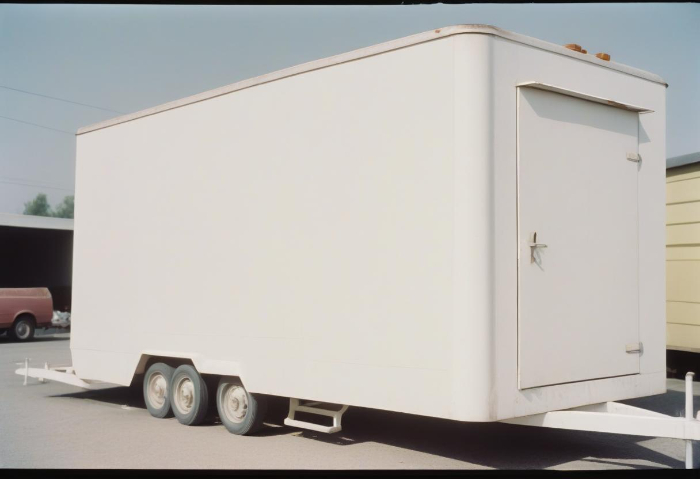
Portable buildings, whether used for offices, classrooms, or events, require efficient air conditioning systems to maintain a comfortable environment. Split air systems and compact, energy efficient units are ideal for these spaces.
These systems provide effective temperature control and air quality, ensuring the space remains cool and comfortable. Easy installation and maintenance are crucial, given the temporary nature of portable buildings. Choosing the right air conditioning units can make a significant difference in comfort and usability. For tailored solutions and expert installation, contact us.
Hotel Air Conditioning
Hotels require dependable and efficient air conditioning systems to guarantee a comfortable stay for their guests. Commercial air conditioning units, including split systems and VRF systems, are perfect for maintaining consistent temperature control and optimal air quality in guest rooms and common areas.
These systems are tailored to meet the specific needs of hotels, offering energy efficiency and straightforward maintenance. Investing in superior air conditioning units can significantly boost guest satisfaction and lower operational costs.

Split systems are advantageous in that they allow individual room control, ensuring personal comfort for each guest. VRF (Variable Refrigerant Flow) systems, on the other hand, offer flexibility and are ideal for larger spaces, making them perfect for common areas and large guest suites.
Both systems require professional installation and regular maintenance to function effectively. It is crucial to choose the right type of system based on the hotel’s size, layout, and specific requirements. Ensuring that air conditioning units are high-quality and energy-efficient not only enhances the guest experience but also contributes to long-term savings on energy bills and maintenance costs.
Server Room Air Conditioning
Server rooms need specialised air conditioning systems to manage heat generated by electronic equipment. Effective temperature control and consistent cooling are crucial to prevent equipment overheating and failures. Commercial air conditioning systems such as split systems and VRF systems are commonly used in these environments.
Regular maintenance ensures the units perform reliably, safeguarding the equipment. Choosing the right air conditioning units can help maintain optimal conditions and prolong equipment life. For professional advice and installation tailored to server rooms, contact us.
Commercial Refrigeration
Commercial refrigeration is essential for businesses that require consistent and reliable cooling for their products. Purpose-designed commercial refrigeration systems maintain the product temperatures needed for food storage; comfort air conditioning is not a substitute.
These systems are crucial for supermarkets, restaurants, and other businesses.
Refrigerated cabinets and cold rooms should be selected for the products, loading patterns and storage temperatures required. Regular maintenance is essential to ensure optimal performance and reliability. Choosing the right refrigeration units can enhance operational efficiency and reduce costs. For detailed information and expert installation, contact us.

Air Conditioning Service Contracts
To ensure their air conditioning systems remain in peak condition, many businesses opt for service contracts. These contracts provide regular maintenance, helping to identify and address issues promptly. Service contracts can extend the lifespan of commercial air conditioning units, enhance energy efficiency, and ensure consistent performance.
Tailored to meet the specific needs of different environments, these contracts include routine inspections, filter changes, and system checks. Investing in a service contract can provide peace of mind and long-term savings.
What the Latest UK Figures Mean for Commercial Cooling
The Met Office’s provisional summer 2026 figures put the UK’s average temperature at 16.5°C, the highest summer mean in its records beginning in 1884. It also reported that 54 weather stations broke their all-time daily maximum temperature record during the season. These national figures do not specify the cooling demand of an individual building, but they underline why a design should account for prolonged hot weather as well as a typical working day.
The government’s Energy Consumption in the UK 2026 report, published on 24 September 2026, found that services-sector energy consumption, excluding agriculture, fell by 2.9% in 2025 while output grew by 1.4%. This covers the sector’s total energy use, rather than air conditioning alone. For a business, the useful lesson is to measure its own electricity demand and compare system options using expected operating hours and seasonal efficiency, rather than assuming a national trend guarantees savings.
Match Cooling Capacity to How the Building Is Used
A restaurant, a classroom and a server room can have similar floor areas but very different cooling loads. A survey should record occupancy, glazing, lighting, equipment heat, ceiling height and opening hours. A south-facing shop with its doors frequently open needs a different assessment from a shaded office used by a small team.
Zoning can help where requirements vary through the day. Meeting rooms may need extra cooling when occupied, while storage areas may need little comfort cooling. Specify controls that allow these zones to operate separately, and check how a multi-split or VRF system behaves when several rooms demand cooling at once. For critical equipment rooms, discuss alarms, backup capacity and what happens if the main system stops.
Separate Comfort Cooling, Fresh Air and Product Refrigeration
Many split air conditioners recirculate indoor air. Cooling a room does not, by itself, supply outdoor air or remove the carbon dioxide produced by occupants. Gyms, restaurants and busy offices therefore need ventilation considered alongside temperature control. Kitchen extraction also affects the amount of replacement air entering a restaurant and should be included in the design.
Food storage and clinical rooms have additional requirements. A comfort-cooling system is not a substitute for purpose-designed refrigeration, and an ordinary split system does not automatically provide the filtration or pressure control required for specialist healthcare spaces. Establish the applicable requirements before choosing equipment, rather than treating every commercial environment as a standard office.
Plan Installation Around Access and Business Continuity
Before ordering equipment, agree the outdoor-unit location, pipe routes, condensate drainage and electrical supply. Check access for future cleaning and repairs, not just whether the units can be fitted initially. Discuss noise near neighbouring premises and any landlord or planning requirements that apply to the proposed work.
A phased installation may help a shop or office remain operational. Agree which rooms need to be vacated, whether electrical isolation will interrupt other equipment, and when testing can take place. At handover, ask for operating instructions, control settings and a maintenance schedule matched to system use. Recording temperatures and electricity consumption after commissioning provides a practical baseline for spotting changes later.
We provide commercial air conditioning installation in Derby, Nottingham, and Leicester. Our team specialises in both residential and commercial systems. Whether it's for your home or business, trust Richmond Air Conditioning Limited to handle all your air conditioning needs.